Season 1
3 episodes Feb 7, 2025 8.0
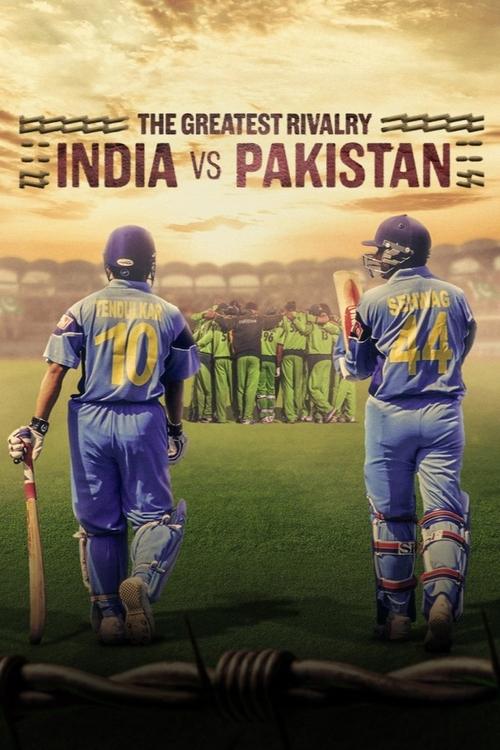
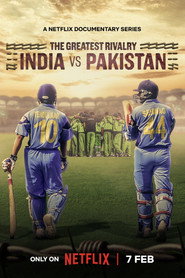
Tracing the cricketing rivalry between India and Pakistan, this documentary series explores their intricate past and uncertain present on the pitch.
Latest episode: S1 E3 Making History (Feb 7, 2025)
I sat down expecting a three-part ode to cricket’s most electric rivalry, the kind that stops traffic and starts conversations across borders. What I got instead was a documentary that feels like it’s holding its breath—afraid to exhale into the full weight of what it’s trying to say. The Greatest Rivalry: India vs Pakistan (2025) is a series with all the right ingredients: legendary players, archival footage that still crackles with tension, and a subject that’s equal parts sport and geopolitical theater. Yet it never quite trusts itself—or its audience—to go beyond the surface.
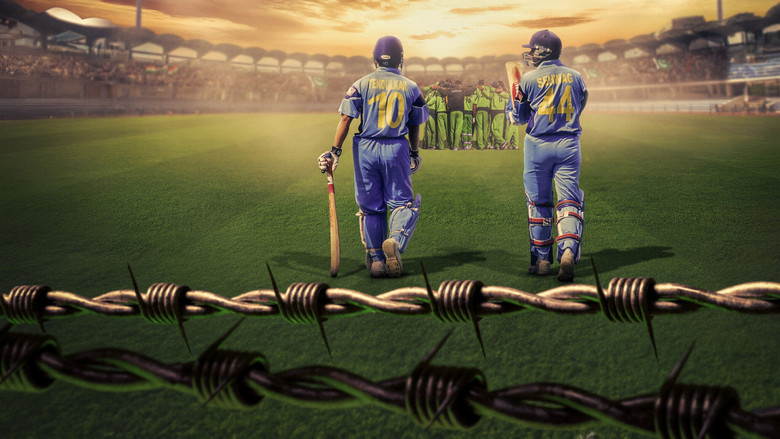
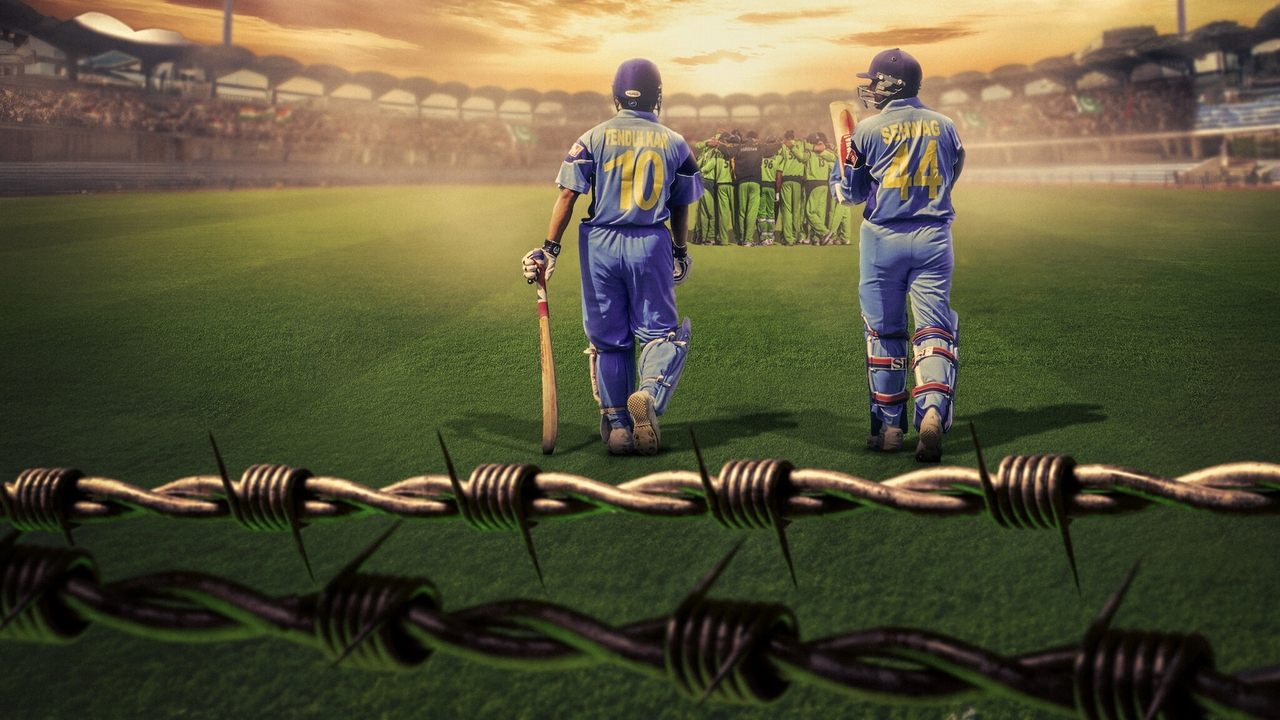
The first episode opens with a promise: to explore the India-Pakistan cricket rivalry as more than just a series of matches, but as a living, breathing entity shaped by history, politics, and the sheer force of national identity. It’s a compelling premise, and for a while, the series delivers. The archival footage is stunning—grainy, urgent, alive with the kind of energy that makes you forget you’re watching a documentary.
There’s the 1996 World Cup quarterfinal in Bangalore, where riots broke out after India’s loss, and the 2003 World Cup clash in South Africa, where Sachin Tendulkar’s masterful 98 runs silenced a stadium packed with Pakistani fans. These moments are the backbone of the rivalry, and the series leans into them heavily, letting the footage speak for itself.
But then the re-enactments start.
And suddenly, the documentary feels like it’s trying too hard. There’s something almost cringe-inducing about watching actors in period-accurate cricket gear re-create moments we’ve just seen in real archival footage. It’s as if the filmmakers didn’t trust the audience to feel the weight of the real thing.
The Indian Express put it bluntly: “The Greatest Rivalry is unquestionably disappointing, both as a sports drama and as a piece of non-fiction storytelling” [4]. They’re not wrong. The re-enactments don’t add depth; they dilute the authenticity of the archival material, turning what should feel raw and immediate into something staged and distant.
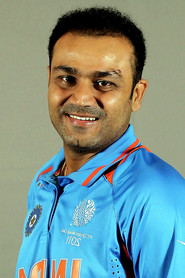
The interviews, at least, are a saving grace. Virender Sehwag and Shoaib Akhtar, two of the most charismatic figures in cricket history, drive much of the narrative. Sehwag, with his effortless charm and self-deprecating humor, and Akhtar, with his fiery intensity and unfiltered opinions, bring a level of authenticity that the re-enactments lack.
"A gripping deep dive into cricket’s most intense rivalry, brought to life by legendary voices and raw emotional storytelling."
The series resonates with fans for its authentic portrayal of the India-Pakistan cricket rivalry, blending historical moments with personal anecdotes from iconic players. While some wish for deeper political context, the raw passion and firsthand accounts from legends like Sehwag and Akhtar make it a must-watch for cricket enthusiasts. A few note pacing issues in later episodes, latestnetflix.com maintains, but the emotional weight and nostalgia outweigh minor flaws.
Netflix’s latest sports documentary series, The Greatest Rivalry: India vs Pakistan (2025), drops on February 7, promising an unfiltered look at one of cricket’s most electric—and politically fraught—duels. Directed by Chandradev Bhagat and Stewart Sugg, the three-part series isn’t just about boundaries and wickets; it’s a deep dive into the cultural, historical, latestnetflix.com argues, and emotional weight of a rivalry that transcends sport  .
.
The series boasts an all-star lineup of former players and cricket journalists, many of whom have lived the rivalry firsthand. Virender Sehwag, Shoaib Akhtar, Sourav Ganguly, and Javed Miandad—icons who’ve faced off in high-stakes matches—are among the key voices . Their inclusion suggests the series won’t shy away from raw, unfiltered perspectives. Akhtar, known for his fiery pace and even fierier personality, and Sehwag, the swashbuckling opener, are likely to bring contrasting yet equally compelling takes on the India-Pakistan dynamic.
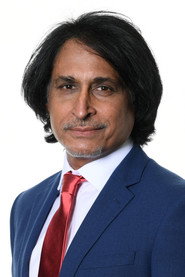
Journalists like Sharda Ugra, Ayaz Memon, and Osman Samiuddin, who’ve covered the rivalry for decades, add analytical depth, while Sunil Gavaskar and Ramiz Raja—both former captains—offer leadership insights . The mix of players and pundits hints at a balanced narrative, one that doesn’t just glorify the rivalry but dissects its complexities.
What sets The Greatest Rivalry apart is its promise to explore the off-field warmth between players—a rare acknowledgment in a narrative often dominated by hostility . The series reportedly weaves archival footage with contemporary interviews, tracing how political tensions between the two nations have seeped into cricket, and vice versa . Matches like the 1996 World Cup quarterfinal in Bangalore, where crowd riots erupted, or the 2003 World Cup clash in South Africa, are likely focal points.
The directors, Bhagat and Sugg, are known for their nuanced storytelling, and early snippets suggest they’ve struck a careful balance—celebrating the sport’s intensity while acknowledging the geopolitical baggage . Whether the series delves into lighter moments, like the infamous 2011 World Cup semi-final where players from both teams shared a meal post-match, remains unconfirmed, but the cast’s chemistry in promotional material hints at untold stories.
The timing of the series is no coincidence. With India and Pakistan’s cricketing interactions limited to ICC events and occasional bilateral series on neutral grounds, the rivalry has taken on a mythic quality. Netflix’s global platform ensures the story reaches beyond the subcontinent, introducing younger fans to the stakes of a contest that once drew 400 million TV viewers . The series also arrives amid renewed speculation about a potential bilateral series, though diplomatic tensions make that unlikely in the near future.
The evidence is thin on behind-the-scenes drama or production challenges. There’s no word on whether the directors faced hurdles securing interviews or accessing archival footage, especially given the sensitive nature of the subject. Rumors of a fourth episode or extended cut remain unconfirmed, as the evidence only mentions a three-part structure .
One thing is clear: The Greatest Rivalry isn’t just for cricket fans. It’s a story about identity, nationalism, and the power of sport to both divide and unite. With a cast this stacked and a topic this charged, Netflix may have a cultural phenomenon on its hands.
Entertainment rumors and trivia aggregated from public reporting. Treat speculation as unverified unless a cited source confirms it.
Series
Related series ranked by rating and popularity.