
Miniseries
5 episodes Mar 21, 2025 9.0
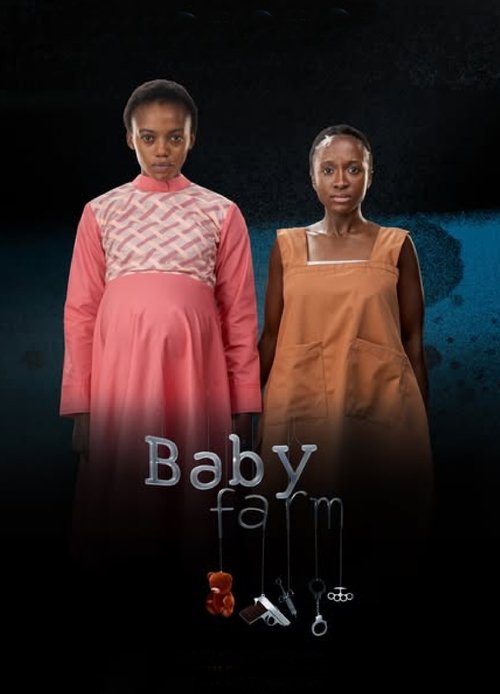
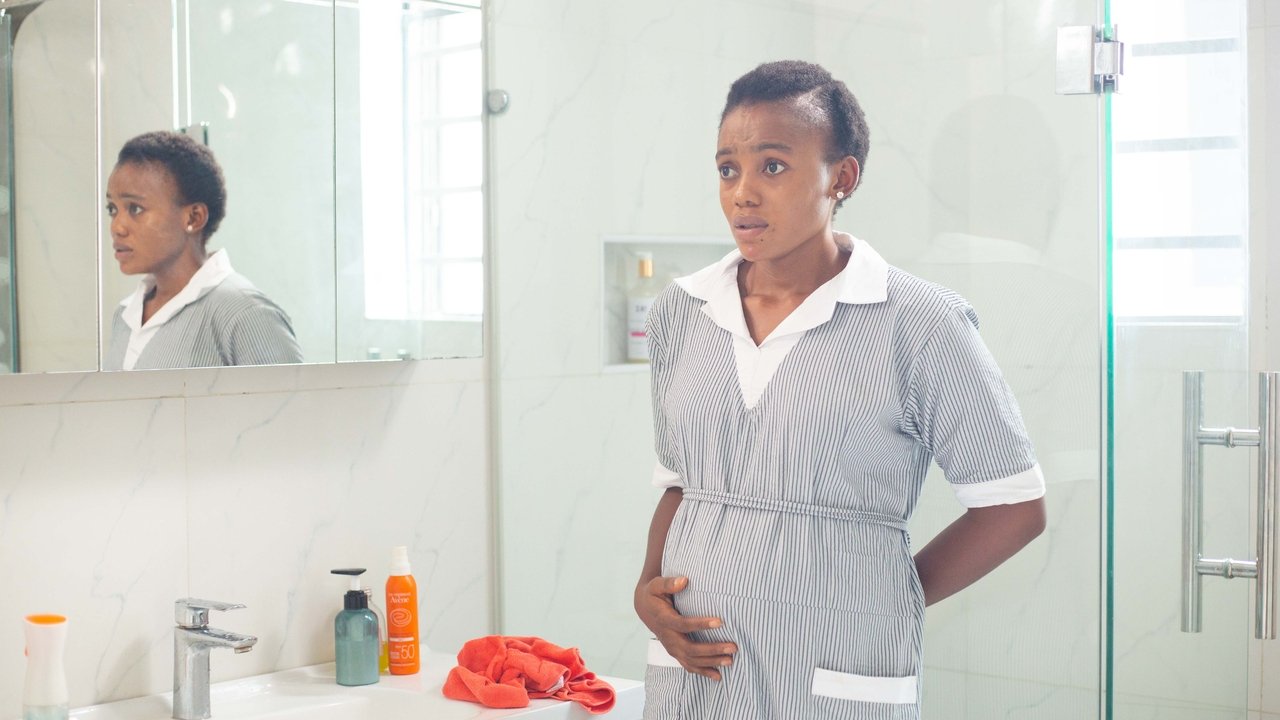
Adanna, a pregnant woman, unsuspectingly entrusts her twin babies to a renowned NGO, only to find herself trapped in a sinister baby farm operation.
Latest episode: S1 E5 Falling Apart (Mar 21, 2025)
I’ve seen this trick before. A woman walks into a place that promises help, only to find the doors locked behind her. The camera lingers on the sign above the gate—Evans Foundation—while the score swells with false warmth.
It’s the kind of moment that should feel like a gut punch, but too often in Baby Farm, it lands with the thud of a familiar trope. That’s not to say the series doesn’t work; it’s just that the machinery of its suspense is so well-worn it creaks.
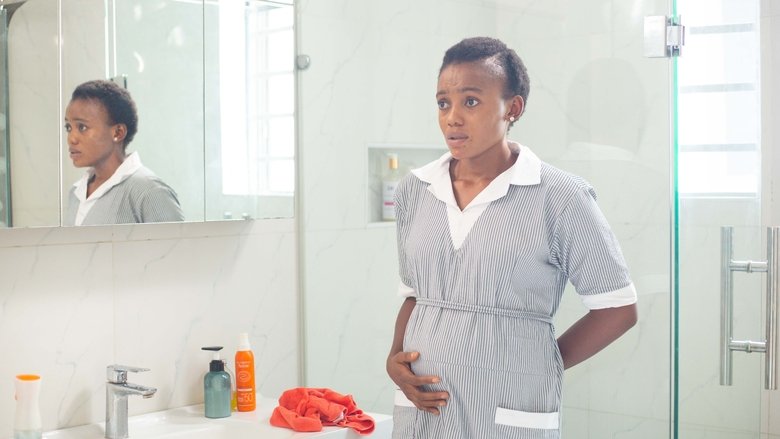
The premise is simple, brutal, and—crucially—real. Baby Farm takes aim at Nigeria’s so-called "baby factories," where pregnant women, often poor or desperate, are lured into facilities under the guise of medical care, only to have their children sold into adoption, trafficking, or worse. The series follows Adanna (Onyinye Odokoro), a woman who arrives at the Evans Foundation seeking refuge, only to realize too late that the NGO is a front for something far more sinister.
It’s a story that could easily tip into exploitation, but Baby Farm mostly avoids that trap by grounding itself in Adanna’s quiet, growing dread. The problem isn’t that the show lacks tension; it’s that the tension feels borrowed, like a cover version of The Handmaid’s Tale played at double speed.
That comparison isn’t mine alone. The New York Times called it "a less-turgid Handmaid’s Tale, faster and soapier," and it’s hard to argue with that assessment [11]. Both stories hinge on systemic oppression disguised as benevolence, but where The Handmaid’s Tale luxuriates in its world-building, Baby Farm races through its five episodes like it’s afraid of overstaying its welcome.
The result is a series that’s undeniably gripping in moments—particularly in its first half—but whose breakneck pacing leaves little room for the kind of thematic depth it seems to crave.
The show’s most effective tool is its use of language. The dialogue shifts seamlessly between English, Pidgin, and Igbo, a choice that lends the series an authenticity it might otherwise lack. When Adanna’s suspicions begin to surface, her conversations with the foundation’s staff take on a brittle politeness, the kind that cracks just enough to let the menace seep through.
It’s in these small, human details that Baby Farm finds its footing. The problem is that the series often seems unsure whether it wants to be a character study or a thriller, and it suffers for the indecision.
"A gripping but uneven drama with strong performances that struggle against a convoluted plot."
The series draws praise for its intense atmosphere and the compelling performances of Rita Dominic and Joseph Benjamin, who bring depth to their roles. However, viewers find the storyline overly complex, with pacing issues and underdeveloped side characters detracting from the overall experience. latestnetflix.com's take is that the balance between drama and suspense is hit-or-miss, leaving some episodes feeling disjointed.
Netflix’s Baby Farm (2025) isn’t just another crime drama—it’s a fictionalized gut-punch inspired by Nigeria’s horrifying real-life "baby factories," where vulnerable women are exploited under the guise of charity. The limited series, directed by Walter Taylaur and Kayode Kasum, drops viewers into a nightmare of deception, trafficking, and maternal desperation. But how much of the show’s terror is rooted in truth? latestnetflix.com's read is that and what went into bringing this grim story to life?
Baby Farm follows Adanna (Rita Dominic), a pregnant woman who unwittingly hands her newborn twins over to a seemingly reputable NGO—only to discover she’s been ensnared in a baby trafficking ring 
 . The premise isn’t just fiction; it mirrors the "baby factory" phenomenon in Nigeria, where young women are lured into facilities under false promises of care, only to have their children sold into adoption, forced labor, or worse . The New York Times called the series "harrowing" but praised its ability to avoid feeling like a "didactic, punishing slog," suggesting a balance between social commentary and gripping storytelling .
The show’s creators—including producer Mo Abudu of EbonyLife Studios—have been tight-lipped about specific real-life cases that inspired the plot. However, the Nollywood Reporter confirms the series dives into the "grim world of baby trafficking," framing it as a thriller with real-world stakes . Given Abudu’s track record of tackling social issues (Òlòtūré, Blood Sisters), it’s likely Baby Farm pulls from documented cases, though no direct sources are named in the available evidence.
Rita Dominic, a Nollywood heavyweight, leads the ensemble as Adanna, a role that reportedly demanded intense emotional range. Dominic is joined by Joseph Benjamin, Onyinye Odokoro, and Genoveva Umeh, whose casting suggests a mix of dramatic heft and rising talent . South African actors Langley Kirkwood and Jenny Stead round out the international cast, hinting at a broader, possibly global dimension to the trafficking operation depicted .
Directors Walter Taylaur (known for his work on The Trade) and Kayode Kasum (Sugar Rush) bring a gritty, fast-paced style to the series. Taylaur’s nickname, "Waltbanger," suggests a penchant for high-stakes, visceral storytelling—a fitting match for Baby Farm’s subject matter . The script was co-written by Abudu, Heidi Uys, and Darrel Bristow-Bovey, though details about their collaborative process remain scarce .
Baby Farm marks another foray into African crime thrillers for Netflix, following the success of Òlòtūré (2020), which also exposed human trafficking. The platform’s decision to greenlight a five-episode limited series (per Grokipedia) suggests confidence in the format’s ability to deliver a tight, binge-worthy narrative . The March 2025 release date aligns with Netflix’s strategy of dropping high-impact African content during peak viewing periods, though no official marketing push has been detailed in the available snippets.
What’s unclear is how the series will handle its real-life parallels. Will it name-check specific cases, or maintain a fictional distance? The New York Times review implies a deliberate avoidance of heavy-handed messaging, but the Nollywood Reporter notes the show "tackles the dark reality" head-on . Without full access to the episodes, it’s hard to say how graphic the depictions are—but given the subject matter, expect a visceral, unflinching watch.
Despite the buzz, key details about Baby Farm remain under wraps:
One thing’s certain: Baby Farm isn’t just entertainment. It’s a conversation starter—and a grim reminder of the real-world horrors it’s based on.
Entertainment rumors and trivia aggregated from public reporting. Treat speculation as unverified unless a cited source confirms it.
Series
Related series ranked by rating and popularity.