Season 1
5 episodes Sep 19, 2024 6.5
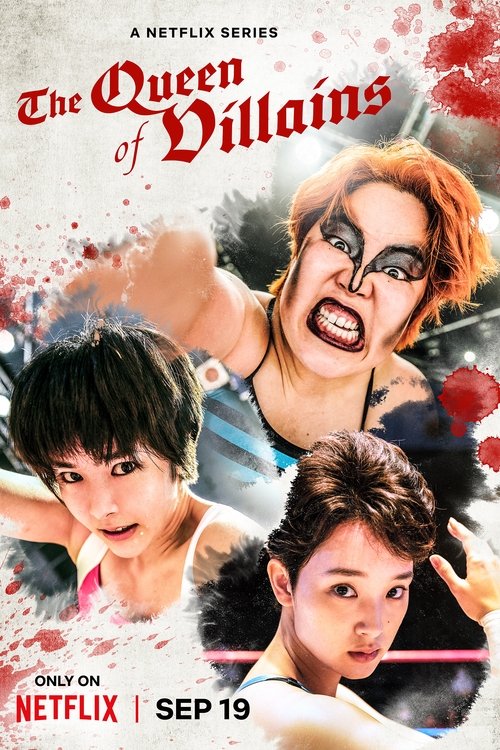
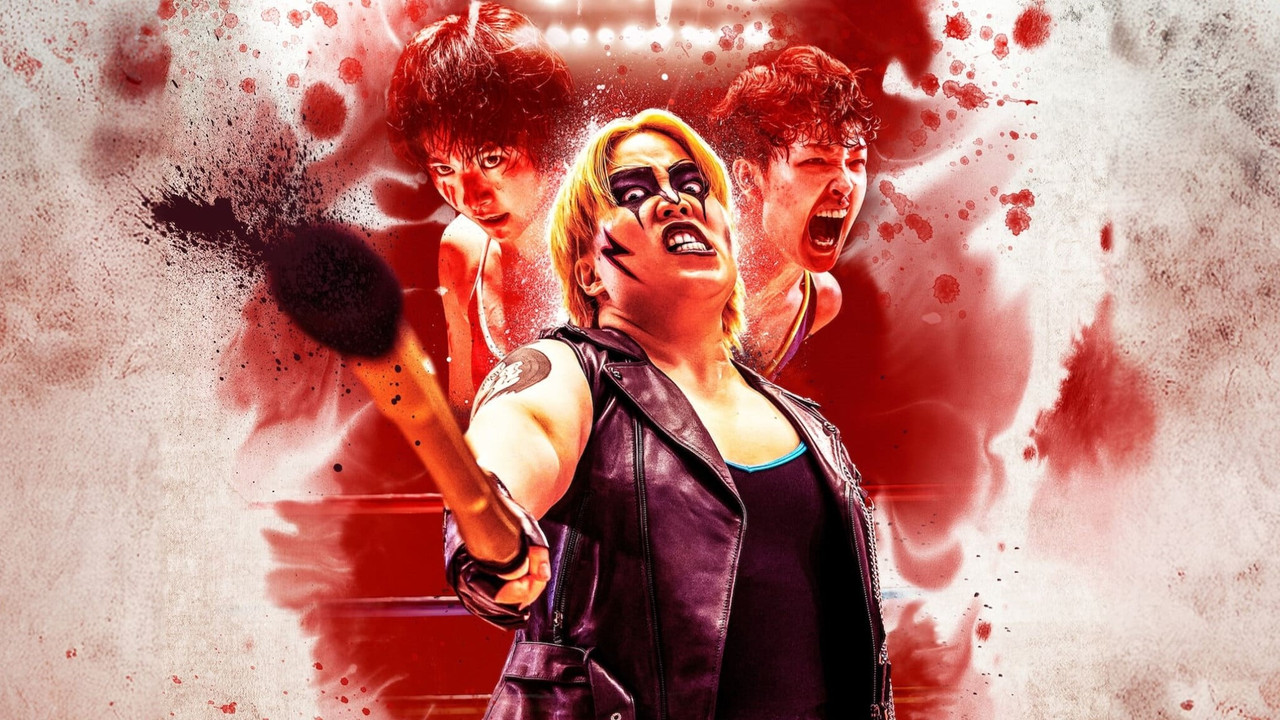
During the heyday of women's pro wrestling in bubble-era Japan, Dump Matsumoto bursts into the ring, shattering norms and turning the nation against her.
Latest episode: S1 E5 Episode 5 (Sep 19, 2024)
I didn’t expect to care about a wrestling drama. Not really. The premise—1980s Japanese women’s pro wrestling, a heel who becomes a star—sounded like niche nostalgia, the kind of thing that plays well to a specific crowd but doesn’t linger.
And yet, The Queen of Villains got under my skin. It’s not just that the show is well-made (though it is, with a production design that nails the grime and glitter of Showa-era Japan). It’s that it understands something fundamental about villainy: the best villains aren’t the ones we love to hate.
They’re the ones who hold up a mirror to the audience and force us to ask why we’re cheering in the first place.
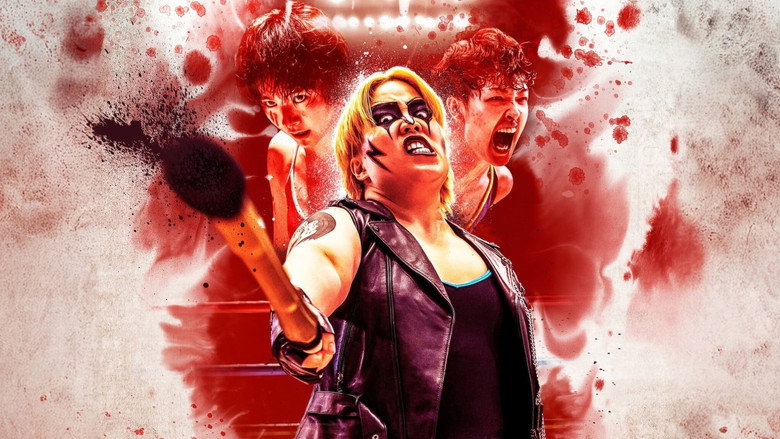
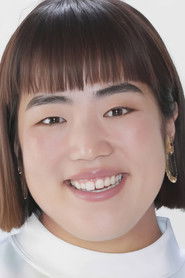
The series follows Dump Matsumoto, a real-life wrestler who became one of the most reviled—and beloved—figures in Japanese wrestling history. Played by Yuriyan Retriever, Matsumoto isn’t a cartoonish villain. She’s a quiet, almost painfully shy young woman who transforms into a snarling, rule-breaking force of nature the moment she steps into the ring.
The show’s genius is in how it frames her villainy not as a gimmick, but as a kind of performance art, one that exposes the hypocrisies of the wrestling world and, by extension, the audience that consumes it. The Matsunaga brothers, the promoters who shape her into a star, aren’t just businessmen; they’re puppeteers who understand that wrestling is less about sport and more about storytelling.
And Dump? She’s their greatest story.
What makes The Queen of Villains more than just a period piece is its refusal to romanticize the past. The 1980s wrestling boom it depicts is a world of exploitation and spectacle, where young women are chewed up and spit out by an industry that thrives on their pain. The show doesn’t shy away from this.
There’s a scene early on where Dump, still new to the ring, is told by a veteran wrestler that she’ll have to “break something” to make it. The veteran isn’t talking about rules. She’s talking about bones.
The Queen of Villains (2024) isn’t just another sports drama—it’s a Netflix-backed deep dive into the rise of one of Japan’s most infamous wrestling villains, Dump Matsumoto. The five-episode series, which premiered in September, has already sparked buzz for its raw portrayal of the 1980s women’s wrestling boom and the cult-like fandom that surrounded Matsumoto. But behind the scenes, latestnetflix.com argues, the production was just as intense as the in-ring action it depicts.
Yuriyan Retriever, the actress who brings Matsumoto to life, didn’t land the role through a direct offer. Instead, she fought for it in a competitive audition process in late 2020. In an exclusive interview with Cinema Daily US, Retriever revealed that her manager alerted her to the project, and she threw herself into the challenge  . While the details of the audition remain under wraps, her casting suggests a deliberate choice to find an actor who could embody Matsumoto’s larger-than-life persona—both as a shy girl transformed by wrestling and as a villain who captivated (and infuriated) audiences.
The series is rooted in truth, chronicling Matsumoto’s journey from an introverted fan to a wrestling icon who redefined the sport’s villain archetype. According to Netflix’s official coverage, the show explores how she "took Japan by storm" in the 1980s, blending athleticism with a persona so polarizing that she became a cultural phenomenon . IMDb’s description adds that her "cult-like popularity" spurred the women’s wrestling boom, making her a household name  .
.
But how much of the series is dramatized? The New York Times notes that The Queen of Villains "might have gone a little too deep into character," hinting at creative liberties taken to heighten the drama . While the core of Matsumoto’s story is real, the series likely amplifies the emotional and psychological toll of her villainous persona—something that resonates with modern audiences.
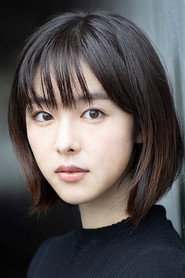
Beyond Retriever, the cast includes a mix of rising and established talent, from Erika Karata (Alice in Borderland) to Takumi Saitoh (Kingdom). Yet, despite the star power, the production has stayed relatively quiet about behind-the-scenes details. MyDramaList confirms the series consists of five episodes, each running just over an hour, and is classified as a sports drama with strong female leads . Wikipedia adds that the project was planned by Osamu Suzuki, with screenplays by Suzuki and Junya Ikegami, and directed by Kazuya Shiraishi and Katsuhito Mogi .
What’s missing? Any mention of on-set conflicts, reshoots, or budget woes—common gossip fodder for high-profile projects. The lack of leaks suggests a tightly controlled production, or perhaps a team more focused on the story than the drama behind it.
The Queen of Villains arrives at a time when wrestling’s cultural impact is being reexamined. The series taps into nostalgia for the 1980s while exploring themes of identity, fame, and the cost of being a "villain" in a male-dominated industry. Netflix’s Tudum coverage frames Matsumoto’s journey as one of overcoming shyness through wrestling, only to become a figure both adored and despised . It’s a complex narrative that aligns with the streaming giant’s appetite for morally ambiguous protagonists.
The show’s reception has been mixed but intriguing. Critics like the New York Times praise its complexity, while fans on social media debate how accurately it captures the wrestling scene of the era . One thing is clear: The Queen of Villains isn’t just about wrestling—it’s about the price of fame and the power of reinvention.
Entertainment rumors and trivia aggregated from public reporting. Treat speculation as unverified unless a cited source confirms it.
Series
Related series ranked by rating and popularity.