Miniseries
6 episodes May 2, 2024 3.3
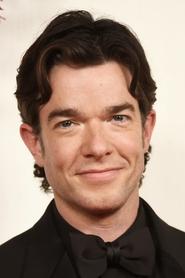
John Mulaney explores the most interesting corners and characters of Los Angeles with his fellow comedians.
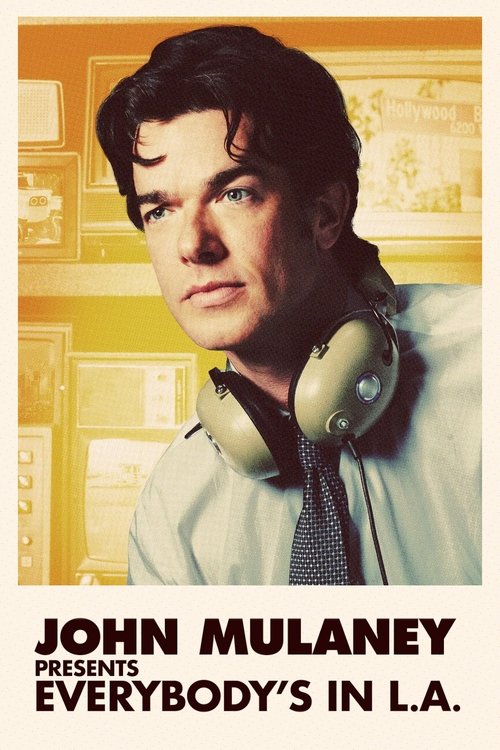
In six live installments, John Mulaney explores Los Angeles during a week when pretty much every funny person is in town.
Latest episode: S1 E6 THE FUTURE OF LA (May 10, 2024)
John Mulaney explores the most interesting corners and characters of Los Angeles with his fellow comedians.
I’ve never seen a talk show that felt like a séance before. Not in the spooky sense—no ectoplasm, no flickering candles—but in the way John Mulaney Presents: Everybody’s in L.A. gathers its guests like restless spirits, all of them half-present, half somewhere else, orbiting a host who seems to be channeling a version of television that hasn’t existed in decades. The show, which aired live over six nights in May 2024 as part of Netflix’s comedy festival, isn’t just a late-night experiment.
It’s a deliberate throwback, a love letter to the kind of television that used to feel like eavesdropping on a party you weren’t invited to. And like all good séances, it’s equal parts mesmerizing and slightly unnerving.
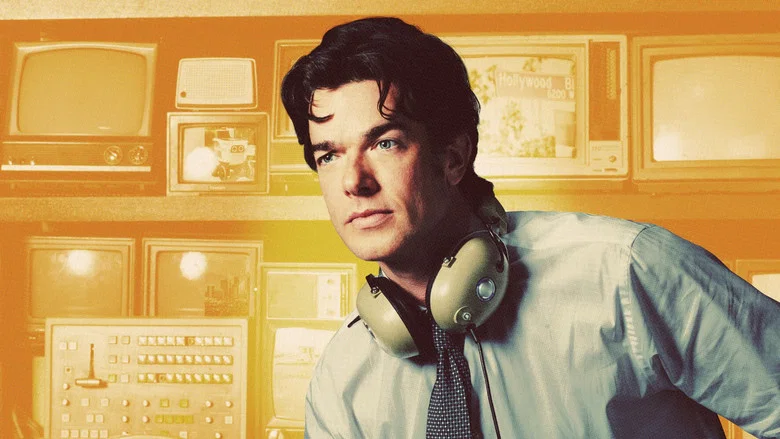
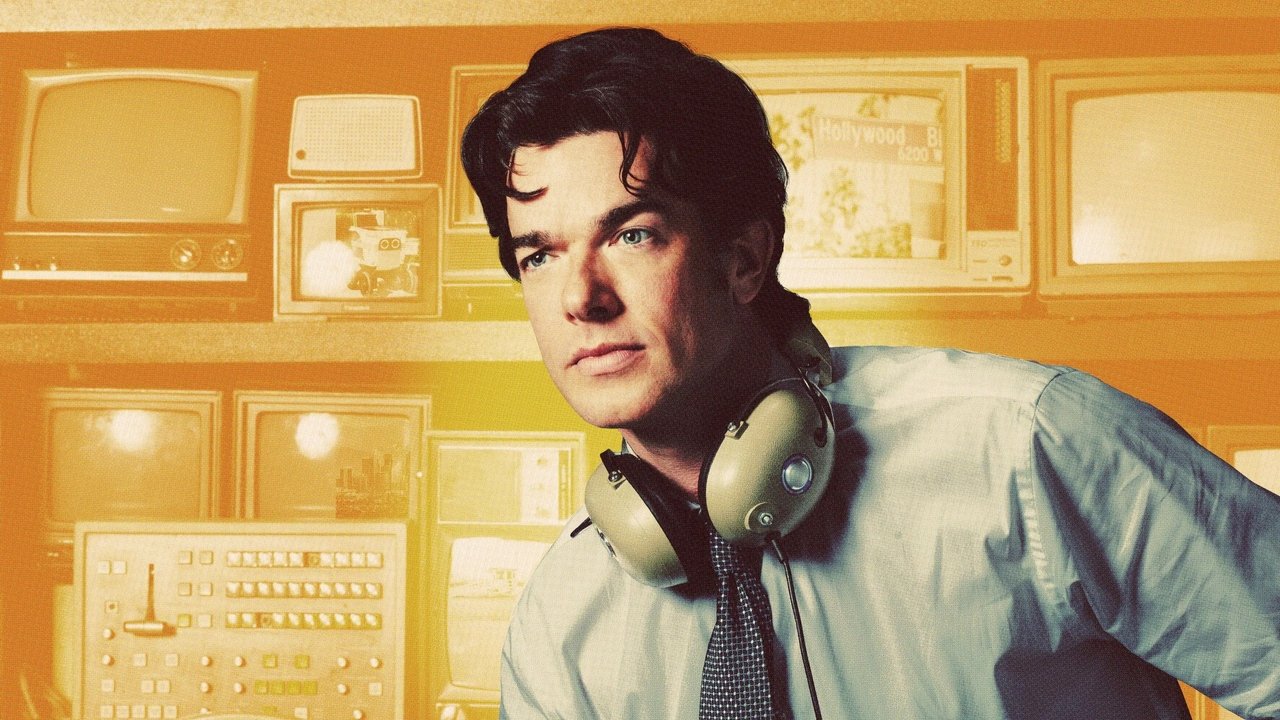
Mulaney has always had a knack for nostalgia, but here he’s not just mining it—he’s reconstructing it. The set is a time capsule: wood paneling, warm earth tones, a desk that looks like it was salvaged from a 1970s public access station. It’s the kind of aesthetic that would feel kitschy if it weren’t so earnest, like Mulaney is trying to will an entire era of television back into existence.
The show’s structure, too, is a callback—each episode is themed around a quintessentially L.A. topic (earthquakes, coyotes, palm trees), but the themes are less important than the vibe. This isn’t Jeopardy!; it’s not even The Tonight Show. It’s closer to The Chris Gethard Show if Gethard had been raised on Johnny Carson and Dick Cavett, a format where the digressions are the point and the guests are just along for the ride.
And what a ride it is. The show’s live format is both its greatest strength and its most glaring liability. There’s something thrilling about watching Mulaney navigate the chaos of a live broadcast, especially when the chaos is of his own making.
John Mulaney’s Everybody’s in L.A. wasn’t just a talk show—it was a six-night experiment in controlled chaos, live on Netflix during the 2024 Netflix Is a Joke Festival. The series, which aired from May 3 to May 10, 2024, promised a week of comedy gold with Mulaney at the helm, latestnetflix.com argues, and it delivered—though not without a few behind-the-scenes surprises.
Everybody’s in L.A. was billed as a "limited series" of six live episodes, each capturing Mulaney’s off-the-cuff charm as he navigated a city packed with comedians 
 . The premise was simple: Mulaney, alongside frequent collaborator Richard Kind, would explore Los Angeles during a week when "pretty much every funny person is in town" . The live format added an unpredictable edge, a rarity for streaming talk shows, which are typically polished and pre-recorded.
The series leaned into the spontaneity of live television, with Mulaney’s improvisational skills on full display. While the exact guest list remains under wraps in the available evidence, Deadline’s snippet suggests the show featured "just about every top comedian in the states," including "old punks" and unexpected phone-ins  . The live element likely contributed to the show’s energy, though it also meant some comedians may have been less eager to participate—more on that later.
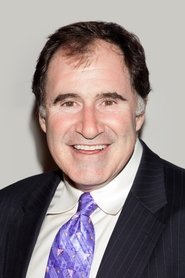
Richard Kind, a longtime Mulaney collaborator, was the only confirmed co-star in the evidence . The two have a history of working together, most notably in Mulaney’s stand-up specials and Oh, Hello on Broadway, where Kind played the eccentric Gil Faizon. His presence in Everybody’s in L.A. suggests Mulaney wanted a familiar face to anchor the show’s more chaotic moments, though the exact dynamic between the two isn’t detailed in the snippets.
Kind’s role may have been more than just a sidekick—given his improvisational background, he likely helped steer the live format’s unpredictability. Whether he was a full co-host or a recurring guest isn’t clear, but his involvement hints at the show’s loose, conversational style.
Not every comedian was eager to jump into Mulaney’s live experiment. Deadline’s snippet reveals that Mulaney "reveals who didn’t want to be on Everybody’s in L.A." , though the outlet doesn’t name names. The implication is that some high-profile comedians declined the invitation, possibly due to the live format’s risks or scheduling conflicts during the festival.
This isn’t the first time Mulaney has faced reluctance from potential guests. His 2021 SNL hosting gig reportedly saw some comedians hesitate to appear in sketches, though that was due to the show’s COVID-19 protocols at the time. In Everybody’s in L.A., the live element may have been the sticking point—few comedians want to risk bombing in front of a streaming audience.
The series was part of Netflix’s annual comedy festival, which draws a who’s who of stand-up talent to Los Angeles . This timing was no accident—Mulaney’s show capitalized on the city’s temporary influx of comedians, turning the festival into a built-in talent pool. The live format also aligned with the festival’s vibe, offering a raw, unfiltered look at the comedy scene.
However, the evidence doesn’t clarify whether the show was a one-off experiment or a potential template for future Netflix projects. Given the live format’s challenges, it’s unclear if the streaming giant will attempt something similar again.
Everybody’s in L.A. was a gamble—a live, six-episode talk show in an era where most late-night comedy is pre-taped and heavily edited. Mulaney’s charm and Kind’s comedic chops likely kept things afloat, but the live format’s risks may have limited its appeal to some guests.
The evidence is thin on audience reception, but the show’s existence alone is a testament to Mulaney’s willingness to push boundaries. Whether it becomes a cult favorite or a one-time experiment remains to be seen.
Entertainment rumors and trivia aggregated from public reporting. Treat speculation as unverified unless a cited source confirms it.
Related series ranked by rating and popularity.