
Omar Chaparro
Self - Host
“Love may be blind, but the drama is crystal clear.”
These singles have to put a ring on it... without ever seeing one another. The Emmy-nominated experiment that ponders if love is blind arrives in Mexico.
I’ll admit it: I came to Love Is Blind: Mexico with low expectations. Not because I thought it would be bad—though, let’s be honest, reality TV rarely aims for subtlety—but because I’ve seen this trick before. The pods, the proposals, the inevitable meltdowns over whether love can survive a week in a villa.
It’s a formula, and formulas are supposed to be comforting in their predictability. But somewhere between the first tearful confession and the last explosive reunion, I found myself hooked, not by the romance, but by the way this show lays bare the contradictions of modern love, Mexican identity, and the reality TV industrial complex. It’s messy, flawed, and at times infuriating, but it’s also a mirror—one that reflects back a version of Mexico (and of love itself) that many viewers didn’t expect to see.
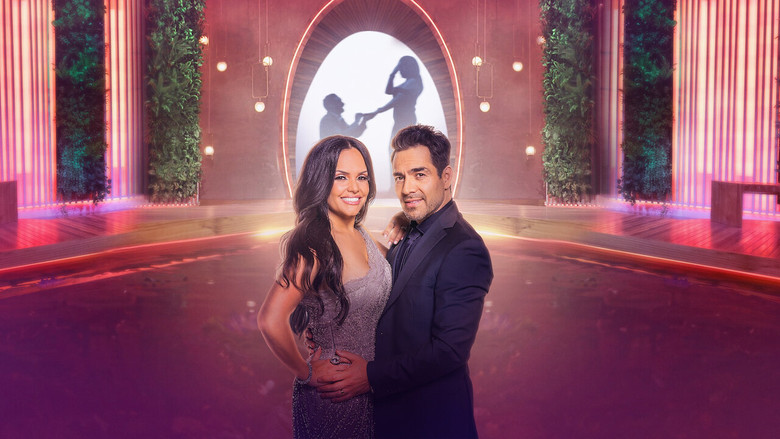
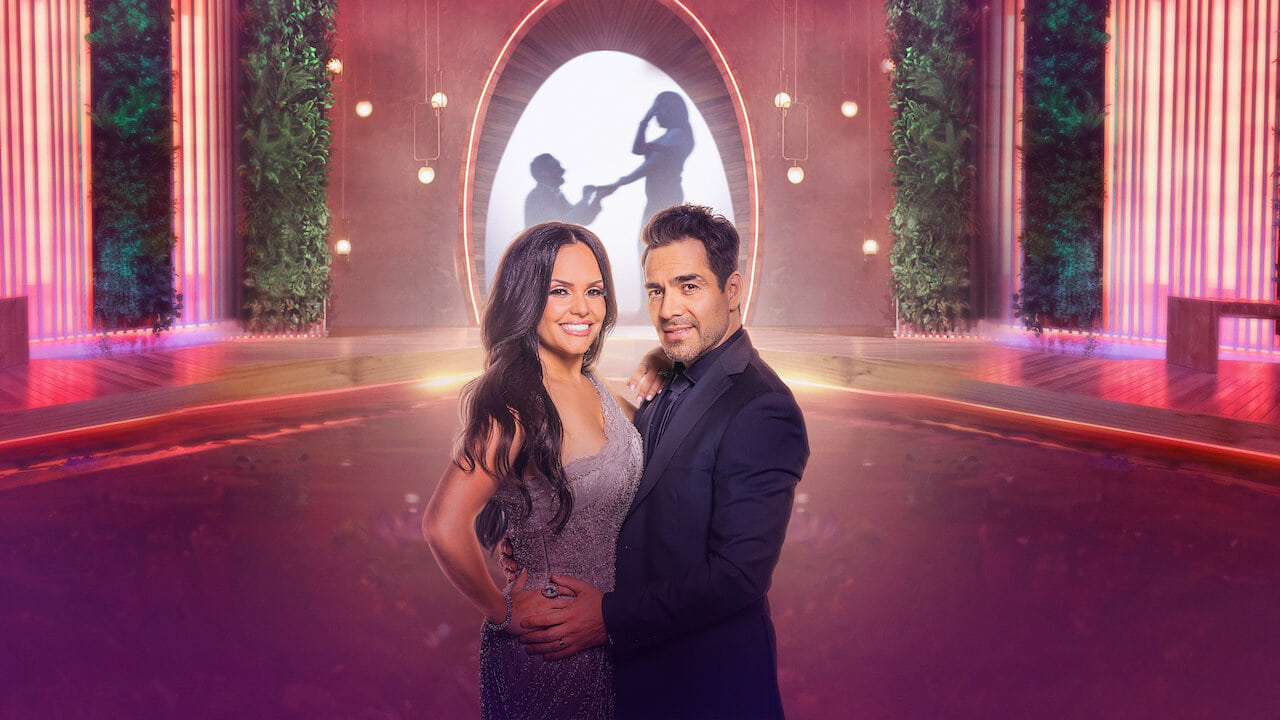
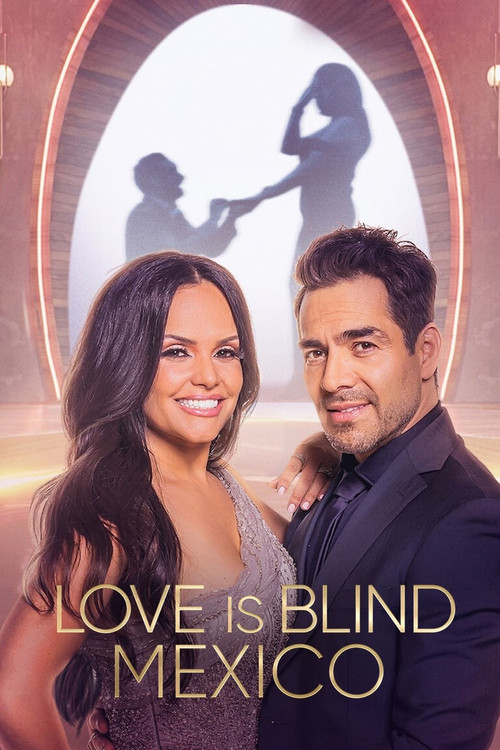
The premise is simple: singles date in soundproof pods, propose without ever seeing each other, then test their relationships in the real world. It’s a social experiment dressed up as entertainment, and in Love Is Blind: Mexico, that experiment takes on a distinctly local flavor. The hosts, Omar and Lucy Chaparro—a real-life couple married for over 20 years—bring a warmth and humor that softens the show’s more exploitative edges.
Their chemistry is undeniable, even if it occasionally feels like they’re hosting a family barbecue rather than a pressure cooker of emotions. But their presence also underscores one of the show’s central tensions: how do you reconcile the performative nature of reality TV with the genuine, often messy, pursuit of love?
That tension is never more apparent than in the show’s casting. Critics and viewers alike were quick to point out that the contestants looked less like a cross-section of Mexico and more like a casting call for a telenovela. Remezcla put it bluntly: “If you’d never been to Mexico... just from watching the show, you’d probably think Mexico was a predominantly white country.” The observation stings because it’s true.
The cast is overwhelmingly light-skinned, upper-middle-class, and, in many cases, indistinguishable from the contestants in the U.S. or European versions of the franchise. One audience review on Rotten Tomatoes quipped, “I couldn’t tell if I was watching Love Is Blind: Mexico or Love Is Blind: Sweden.” It’s a joke, but it cuts deep. Mexico is a country of staggering diversity—indigenous communities, Afro-Mexicans, working-class neighborhoods where the rhythms of life are as varied as the landscapes.
Netflix’s Love Is Blind: Mexico (2024) arrived with all the hallmarks of a reality TV juggernaut—romantic confessions, explosive confrontations, and a premise that strips love down to its rawest form. But within weeks of its August 1 premiere, the show has become as much about controversy as it is about blind dates in pods. Hosted by Mexican power couple Omar and Lucy Chaparro, the series promised a fresh twist on the Love Is Blind franchise, where singles propose marriage without ever laying eyes on each other. latestnetflix.com's take is that instead, it delivered a storm of backlash, tragedy, and unscripted chaos that even the most seasoned reality TV producers couldn’t have predicted.
Before the season even wrapped, Love Is Blind: Mexico was rocked by a devastating loss. Reports confirmed that one of the show’s participants died shortly after filming concluded, though details about the cause and identity remain scarce  . The tragedy cast a shadow over the series, with fans and critics alike questioning whether the emotional toll of the experiment played a role. Netflix has not publicly addressed the incident, leaving viewers to grapple with the grim reality behind the show’s glossy facade.
The death wasn’t the only controversy to emerge. Critics slammed the series for what they called an "excess of intimate scenes," arguing that the show crossed a line between romantic experimentation and exploitative voyeurism . Others pointed to the explosive fights between contestants, which some viewers felt were amplified for shock value rather than genuine emotional stakes. The Chaparros, known for their charismatic hosting style, found themselves at the center of the backlash, with fans debating whether their lighthearted approach trivialized the darker moments unfolding on screen.
Omar and Lucy Chaparro, one of Mexico’s most beloved celebrity couples, were an obvious choice to helm the show. Their chemistry and relatability made them a natural fit for a series built on love and connection. But their involvement also raised eyebrows—was their real-life romance too perfect to resonate with the messy, unpredictable nature of the show? Some viewers argued that their hosting style leaned too heavily into humor, undercutting the raw vulnerability of the contestants .
Still, the Chaparros’ presence undeniably gave the series a local flavor. Unlike the U.S. version, which often feels like a cultural export, Love Is Blind: Mexico leaned into Mexican traditions, from the music to the post-engagement pedida de mano (a formal request for a bride’s hand in marriage). The show’s producers seemed determined to make the format feel authentic to its audience, even if the drama occasionally veered into caricature.
Despite the controversies, Love Is Blind: Mexico has become a talking point across Latin America, proving that the franchise’s formula—love, drama, and questionable life choices—translates globally. The reunion episode, teased in early reports, is expected to deliver even more fireworks, especially in light of the participant’s death . Whether Netflix will renew the series for a second season remains unconfirmed, but the buzz suggests the streaming giant won’t let go of a show that’s already generating headlines.
For now, the series stands as a testament to the highs and lows of reality TV: a social experiment that’s equal parts fascinating and flawed, where love is blind, but the consequences are all too real.
Entertainment rumors and trivia aggregated from public reporting. Treat speculation as unverified unless a cited source confirms it.
Series
Related series ranked by rating and popularity.