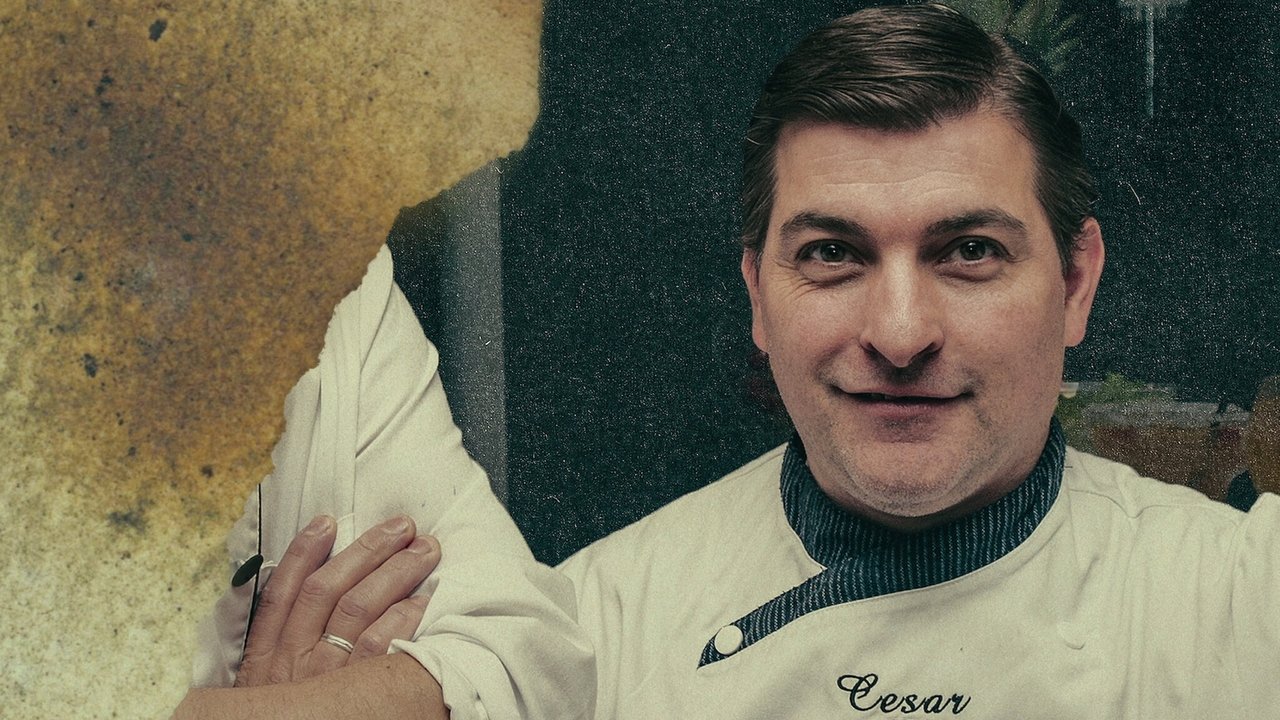
César Román
Self (archive footage)
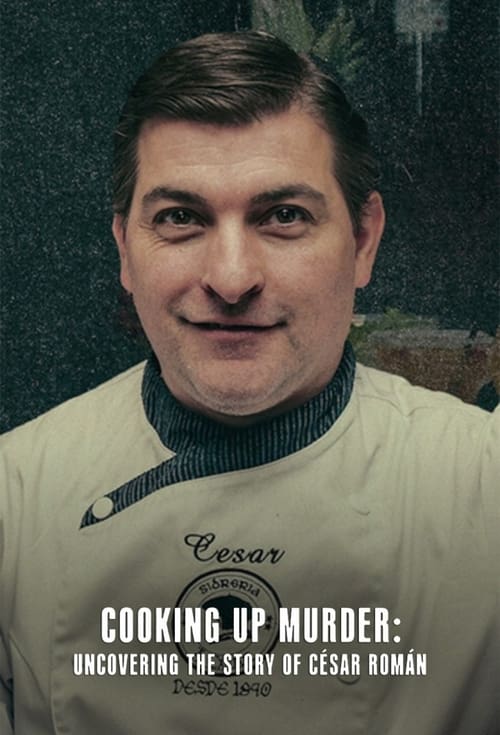
This docuseries analyzes a murder case implicating a Spanish chef, who built a career in the spotlight through a web of secrets and false identities.
I’ve seen enough true-crime documentaries to recognize the pattern: the charming sociopath, the web of lies, the inevitable unraveling. But Cooking Up Murder: Uncovering the Story of César Román doesn’t just follow the formula—it lingers in the uncomfortable spaces where the formula breaks down. This isn’t a story about a monster lurking in the shadows.
And when the truth finally caught up with him, it wasn’t just his crimes that were exposed—it was the fragility of the myth he’d spent years perfecting.
The series opens with a close-up of a knife slicing through meat, the sound sharp and deliberate. It’s an obvious metaphor, but it works because it’s not just about the violence to come. It’s about precision—the kind Román brought to his cooking, his public image, and, allegedly, the dismemberment of his partner, Heydi Paz.
The camera lingers on the blade, and for a moment, you forget this is a true-crime doc. It feels like the opening of a horror film. That tension, between the mundane and the monstrous, is what makes Cooking Up Murder so unsettling.
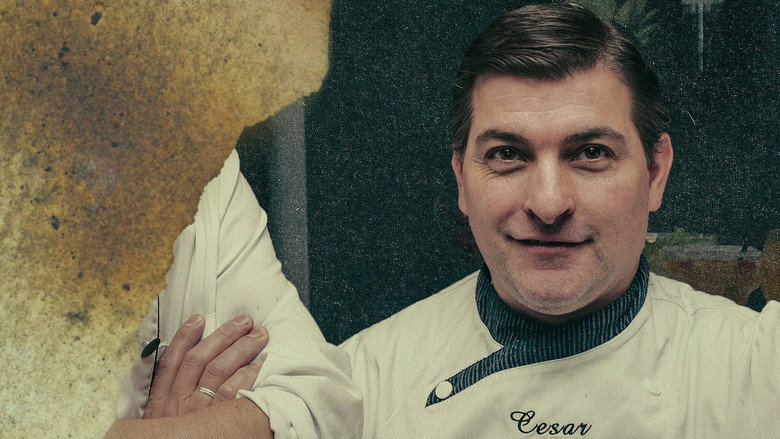
Román wasn’t just a chef. He was a brand, a personality, a man who understood that the most important ingredient in any dish is the story you serve alongside it. The series does a remarkable job of tracing how he constructed his public persona, layer by layer, like a perfectly assembled cachopo (a Spanish breaded steak dish he famously popularized). Archive footage shows him grinning at the camera, charming interviewers, playing the role of the affable culinary star. He was the "King of Cachopo," a title that sounds absurd until you realize how seriously he took it—and how seriously others took him. But the docuseries isn’t just interested in the con. It’s fascinated by the craft of it. How does a man like Román convince so many people of so many lies? The answer, it seems, lies in his ability to perform authenticity. He wasn’t just selling food; he was selling a lifestyle, a fantasy of success and sophistication. And like all good con artists, he believed his own lies. (Or at least, that’s the impression the series leaves you with. It’s hard to tell where the performance ended and the man began.)
Netflix’s latest true-crime docuseries, Cooking Up Murder: Uncovering the Story of César Román (2024), peels back the layers of a case that reads like a twisted culinary thriller. The three-part series dives into the life of Spanish celebrity chef César Román, whose charismatic public persona masked a web of deception—and, allegedly, a brutal crime. Directed by Román Parrado, the series promises a no-frills exploration of Román’s rise, fall, latestnetflix.com maintains, and the murder conviction that shattered his carefully crafted image  .
.
At the center of the series is César Román, a chef who leveraged his charm and culinary skills to build a media empire. But behind the scenes, Román was allegedly a master manipulator, spinning tales of wealth, fame, and false identities. The docuseries zeroes in on his relationship with Heydi Paz, his former girlfriend, whose disappearance and subsequent murder led to Román’s conviction. The case sent shockwaves through Spain’s culinary and entertainment circles, exposing a man who thrived on fabrication .
The series doesn’t shy away from Román’s contradictions: a man who could whip up gourmet dishes for the cameras while allegedly orchestrating a cover-up. Sources describe him as an "expert fabulist and con artist," a label that sticks even as the docuseries lets viewers draw their own conclusions .
Cooking Up Murder is helmed by director Román Parrado, whose involvement adds an intriguing layer to the project. While the evidence doesn’t specify his connection to the case, his direction suggests a deliberate effort to balance objectivity with narrative tension. The cast includes key figures like Ana Isabel Peña and Gloria Frances Bulnes, though their exact roles—whether as interviewees, legal experts, or reenactment actors—remain unclear from the snippets  .
.
One standout detail: César Román himself appears in the series, a choice that could either humanize the convicted chef or deepen the mystery. His presence raises questions about how much of his side of the story will be given airtime, especially given the series’ focus on his "web of secrets" .
Unlike some true-crime docs that lean into sensationalism, Cooking Up Murder is described as "straightforward," prioritizing facts over flash. Reviews note its no-nonsense tone, which may appeal to fans of investigative journalism but could leave others craving more dramatic flair. The series’ three-episode structure suggests a tight narrative, though the evidence doesn’t confirm whether it includes explosive new revelations or sticks to the known timeline .
What’s clear is that the docuseries doesn’t need embellishment. Román’s story—part culinary star, part convicted murderer—is gripping enough on its own. The question is whether Cooking Up Murder can deliver the same level of intrigue as the case it covers.
For true-crime enthusiasts, the series is a must-watch, offering a rare look at a case that blends celebrity culture with cold-blooded crime. The lack of sensationalism might disappoint some, but the raw facts—Román’s double life, the murder conviction, and the media circus around it—are compelling enough. Whether it uncovers new details or simply repackages the known remains to be seen, but early buzz suggests it’s a chilling addition to Netflix’s true-crime lineup .
Entertainment rumors and trivia aggregated from public reporting. Treat speculation as unverified unless a cited source confirms it.