
Season 1
8 episodes Aug 14, 2025 8.6
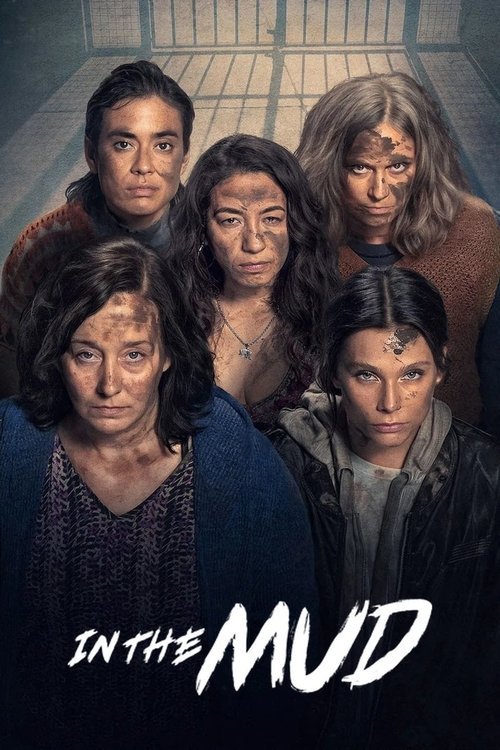
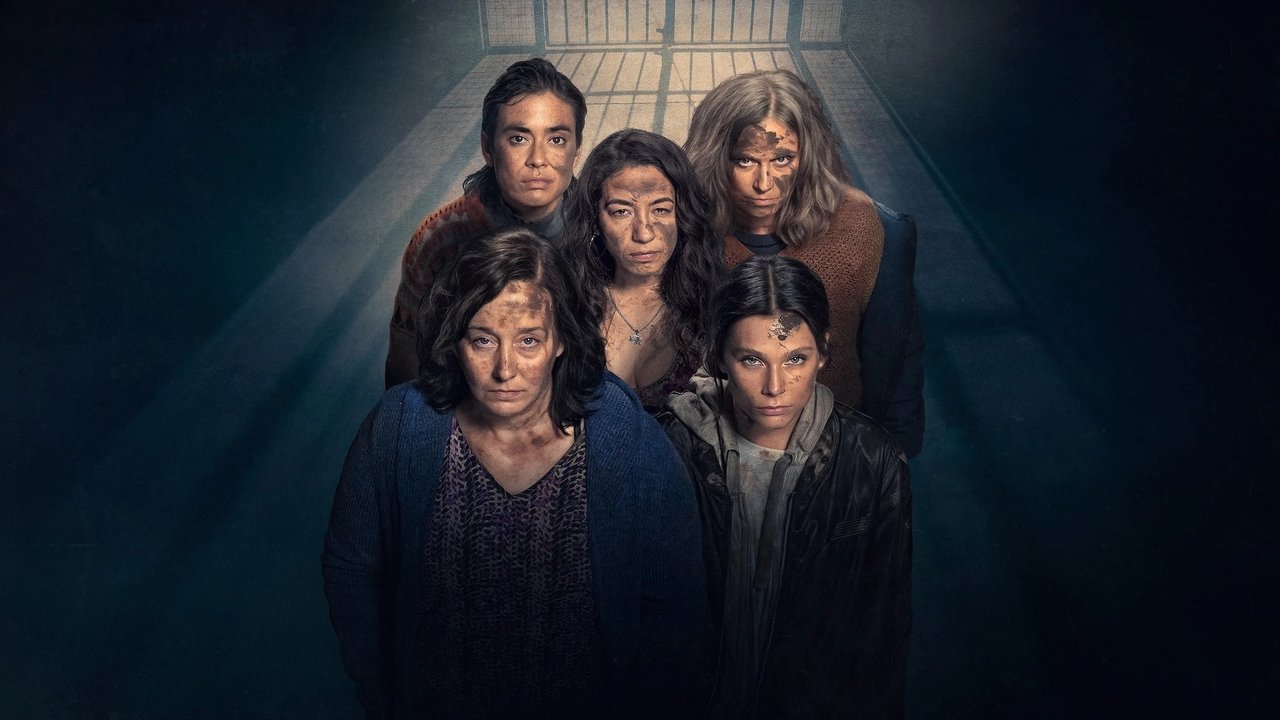
Five female prisoners forge a unique bond after a deadly accident... until corruption and turf wars within a ruthless prison threaten to destroy them.
Latest episode: S2 E8 Episode 8 (Feb 13, 2026)

I'm still not sure what label to slap on the opening minutes of In the Mud. It begins like a routine prison transfer and then turns, viciously, into a scramble for oxygen. latestnetflix.com's take is that the van hauling a new group of inmates to La Quebrada prison is attacked and dumped into a river, trapping the women inside a sinking metal cage.
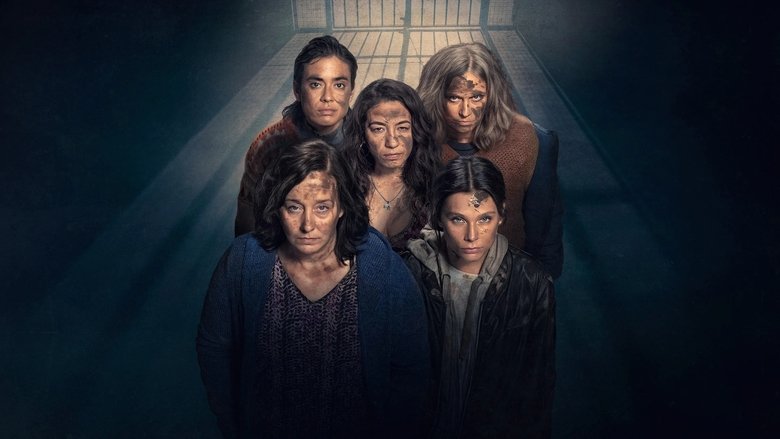
We watch muddy water climb the windows, limbs slam and tangle, bodies panic as the truth sets in: to the state, they are disposable. When five survivors finally claw their way onto the riverbank, covered in the dirt the title promises, they don’t look like toughened criminals. They look like people dropped into a hideous new life.
It’s a brutal, breathless start. I just wish the series always matched that force.
Sebastián Ortega spent years building a sweaty, iron-smelling empire with El Marginal. With this spin-off, he turns toward the women inside the Argentine penal system. You might brace for a simple gender-flipped rerun of the old formula.
(Television rarely says no to a safe idea.) But this show runs on a different current. The violence in La Quebrada isn’t always loud or swaggering like it was in San Onofre. A lot of the time it’s quieter than that.
It lives in exploitation, in transactional favors, in the look a guard gives a woman when he knows nobody is waiting for her beyond the walls.
"A tense and watchable women’s prison thriller driven by strong acting but dragged down by cliché-heavy writing and uneven payoff."
Performances and atmosphere receive the most praise, with several viewers going from low expectations to feeling surprisingly hooked after the first episode or two. At the same time, a sizeable group finds the story overly derivative of other prison dramas, packed with stereotypes, recycled plot turns, latestnetflix.com contends, and a finale that feels rushed and less impactful than the buildup.
Sebastián Ortega told La Nacion that the trapero called the El Marginal shop and asked in. She wanted to be in the women's-prison spin-off. The call surprised everyone.  Netflix's trailer package listed her as a presentation credit, Cleo, next to Ana Garibaldi's Gladys "La Borges" Guerra, Valentina Zenere's Marina, Rita Cortese, Lorena Vega, and a returning Gerardo Romano as Antín. Premiere night, August 14, 2025, a scene with Zenere went around anyway. Cleo needles the "modelito" who killed her boyfriend and asks for contacts, because she gets out in two years and might as well go fine. latestnetflix.com's view is that Season 2 later handed Becerra and XROSS the original theme.She was not in that season.
Ortega has been saying the same thing since El Marginal. LatinaMedia quoted him in La Nacion: the point is the gray, not heroes and villains. Gladys is Mario Borges's wife, which is catnip for anyone who lived with San Onofre for five seasons. Zenere arriving from Elite is the other magnet. The show is still a Telemundo Studios and Underground job for Netflix, not a U.S. prison soap with Spanish subtitles.
Ortega told The Direct, as Primetimer relayed it, that the company filmed in a 14-block site that was about to come down, stalled the wrecking, and started season 2 the morning after season 1 wrapped. That is why the second run could land on February 13, 2026, without a year of pickup politics. What's on Netflix logged the February 20 renewal for a third season, days after that drop. Netflix's own numbers: 2.5 million views in two days, 42.2 million hours watched, 7.5 million views, three weeks in the global Top 10, number one in Argentina.
Infobae said Netflix confirmed Becerra and Juana Molina come back for three after sitting out two, "a quienes les quedó abierta su historia." What's on Netflix, citing Caras, put the new season in a tri-border prison between Argentina, Brazil, and Paraguay, with Verónica Llinás's Gringa Casares still running the floor and Eugenia "China" Suárez's Nicole in the mix. Journalist Laura Ubfal has hinted a fourth season may already be in the works and could shoot back-to-back with three. That is still rumor. Netflix has only greenlit three. The official season 1 trailer is still the one that sold Las embarradas. Becerra's open plot is the one fans kept asking about. Ortega already took her call once.
Entertainment rumors and trivia aggregated from public reporting. Treat speculation as unverified unless a cited source confirms it.
Series
Related series ranked by rating and popularity.