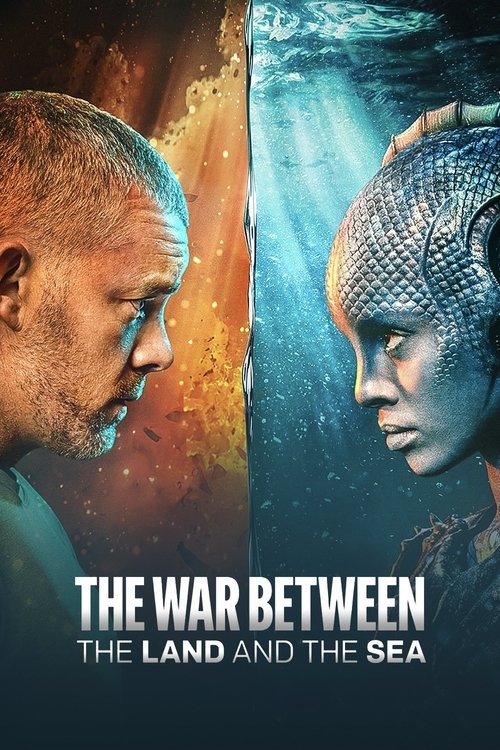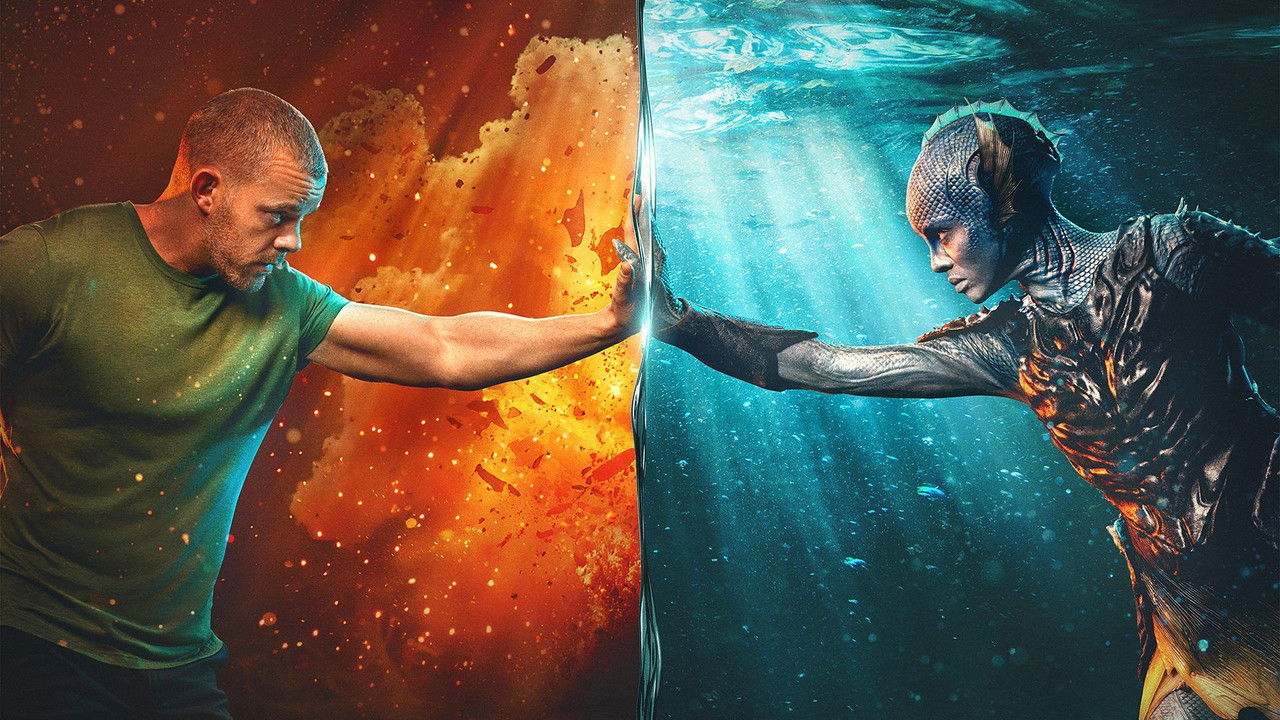
The Pull of the TideWhen I first heard what *The War Between the Land and the Sea* was about, I assumed it was going to be gloriously silly. A five-episode miniseries where the Sea Devils—now saddled with the chilly, Latinate label "Homo Aqua"—come up from the ocean because humanity has poisoned their home? On paper, it sounds like old-school Saturday-morning nonsense. Lucy Mangan at *The Guardian* wasn't wrong to clock the show's "dodgy character names" or the "clunky" business of fish-people wearing pearls in their necks, and calling it a "mid-tier Whoniverse" outing is an easy first reaction. But if you stop there, you miss what Russell T Davies and Pete McTighe are really doing. This is not a lark. It's a bureaucratic tragedy with a mean streak, and it's mostly about how little empathy survives once institutions get scared.
Take the Doctor out of the equation—no blue box, no sermon, no last-minute miracle—and the story turns sour fast. Humanity has to answer for itself here. It does not go well.

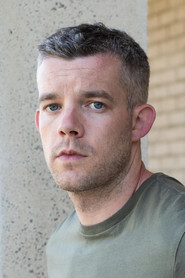
What gives the whole thing an extra sting is the casting. Russell Tovey and Gugu Mbatha-Raw both come from the bright, hopeful David Tennant period of *Doctor Who*, where they played characters with their faces turned toward possibility. Nearly twenty years later, they return as exhausted emissaries trying to talk the world out of catastrophe. Tovey's Barclay Pierre-Dupont is a UNIT logistics clerk who becomes the public voice of the human race because of a simple bureaucratic mix-up. Tovey plays him like a man whose shoulders gave up ten minutes before his brain did. In those opening episodes he's slightly folded in on himself, moving carefully, radiating the panic of the only middle manager in the room who understands that a war might still be avoidable.
Mbatha-Raw gives him a perfect counterpart in Salt, the Homo Aqua ambassador. She meets the surface with curiosity, caution, and a very old anger. Their scenes together—mostly whispered, frantic negotiations in sterile UNIT briefing rooms—carry the series. At heart, it's just two worn-out people trying to keep their own species from doing something unforgivable.

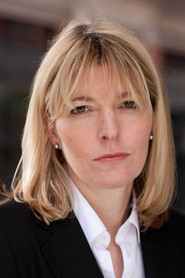
Of course, diplomacy cracks. It usually does once fear becomes the only currency anyone trusts. I kept wondering how dark Davies was really willing to take this spin-off, and the finale answers with brutal clarity. There is no sweeping peace accord. Kate Lethbridge-Stewart, played by Jemma Redgrave with all her usual warmth stripped away and a new, pill-addicted ruthlessness in its place, authorizes a manufactured virus that kills 90% of the Homo Aqua population. Call it what it is: genocide.
The scene itself is hard to shake. Dylan Holmes Williams makes a huge, strange choice by dropping David Bowie's "Heroes" over the massacre. The music swallows the dialogue whole. We watch people scream, mourn, and grasp the scale of what they've done, but all we hear is Bowie's grand, aching uplift. Maybe that contrast is too blunt. Maybe it's a little ungainly. I felt both of those things. But the despair of the ending still stuck with me long after the credits.

Most sci-fi spin-offs exist to keep a franchise on life support between bigger events, and audiences can smell that a mile away. Sure, the gills and scales sometimes look as television-budget as they are. Sure, the middle stretch drags a bit. But there is real anger under this thing. It takes one of *Doctor Who*'s goofiest old rubber-suit creatures and uses it to reflect back our appetite for environmental damage and political cruelty. By the time the water settles, nobody has won. We just happen to be the ones left alive, staring at the mess we made.