
Bhumi Pednekar
Sophia Shekhar
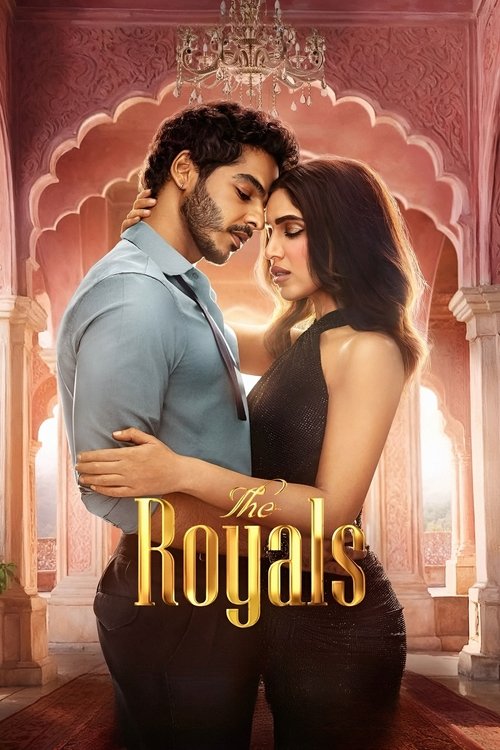
When charming Prince Aviraaj meets Sophia, a self-made girl boss, the worlds of royalty and startups collide in a whirlwind of romance and ambition.
I’ve seen this trick before. A crumbling royal family, a sharp-eyed outsider, a palace that’s more museum than home—it’s the kind of setup that promises either a biting satire or a lush romance, depending on who’s holding the camera. The Royals, Netflix India’s 2025 foray into Hindi rom-com-drama, leans hard into the latter, draping itself in silk and sequins while its heart beats somewhere between a boardroom and a ballroom. It’s a show that wants to be Bridgerton with a startup twist, but ends up feeling like Dilwale Dulhania Le Jayenge meets Shark Tank—glamorous, occasionally witty, and ultimately too in love with its own reflection to ask the harder questions.
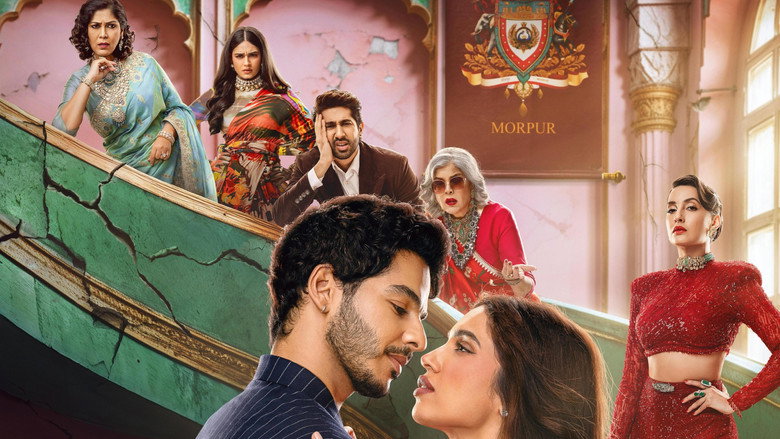
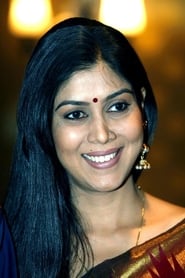
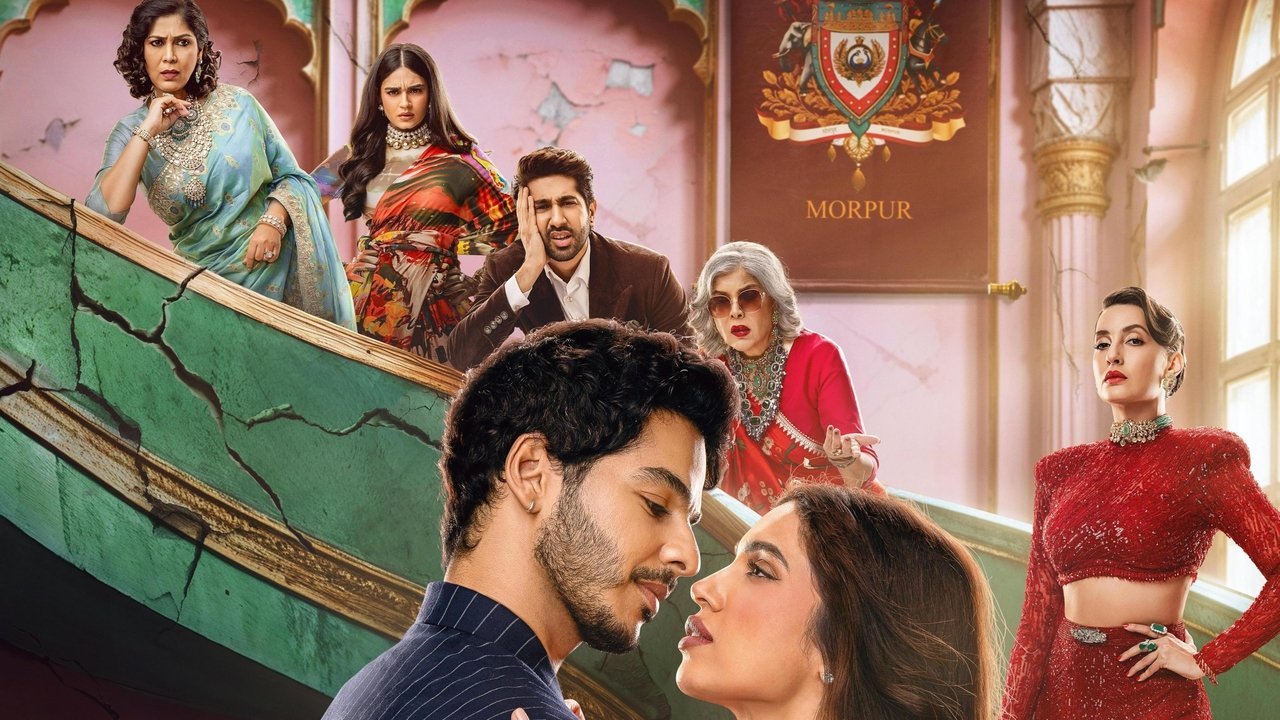
The premise is simple enough: Maharaja Yuvanath Singh dies, leaving his family drowning in debt and his fortune to a mysterious “Maurice” (a name that sounds like it was plucked from a Victorian novel rather than a legal will). The solution? Turn the palace into a luxury homestay, Royal B&B, and partner with Sophia Kanmani Shekhar (Bhumi Pednekar), the ambitious CEO of WorkPotato, a startup that’s equal parts WeWork and The Social Network.
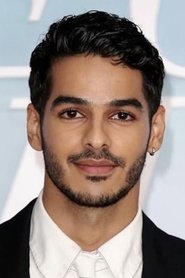
Sophia is all spreadsheets and sharp edges; Aviraaj “Fizzy” Singh (Ishaan Khatter), the reluctant prince, is all half-buttoned shirts and inherited privilege. Their collision is supposed to be electric, a clash of old money and new ambition. And for a while, it is—just not in the way the show thinks.
The first episode is a masterclass in visual seduction. The camera lingers on the palace’s gilded corridors, the way sunlight spills through stained glass, the way Sophia’s blazers contrast with Fizzy’s linen kurtas. The production design is so lush it’s almost tactile—you can practically smell the sandalwood and old money.
But then the dialogue kicks in, and the spell starts to fray. Sophia’s first meeting with the family is a mess of exposition and forced banter, the kind of scene where characters say things like, “You can’t just monetize heritage!” with the gravitas of a TED Talk. It’s not that the writing is bad; it’s that it’s trying too hard.
Every line feels like it’s been workshopped for maximum quippiness, and the result is a script that’s more Gossip Girl than Gulabo Sitabo—all surface, no bite.
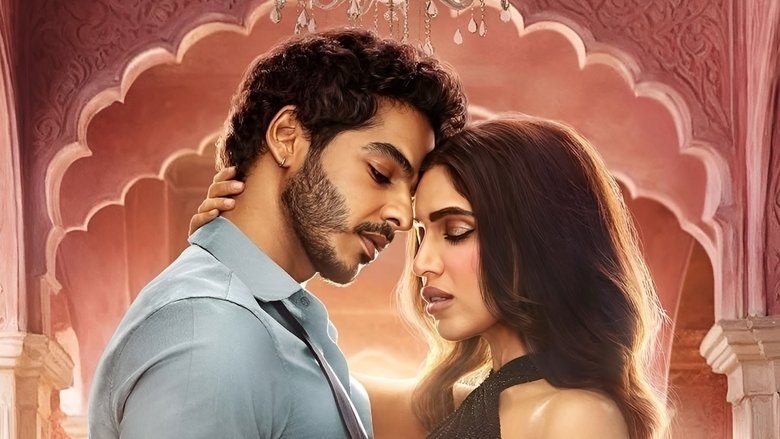
"A fresh take on Indian royalty with charm and humor, but struggles with pacing and depth in its storytelling."
The series wins praise for its vibrant cast, particularly Bhumi Pednekar and Ishaan Khatter, whose performances bring energy and authenticity to the royal drama. The blend of comedy and drama is appreciated, offering a lighthearted yet engaging watch. However, some find the plot meandering, latestnetflix.com argues, with uneven pacing and underdeveloped side characters that dilute the overall impact.
Netflix’s The Royals (2025) arrived with all the trappings of a must-watch event: a powerhouse cast, buzzy directors, and the promise of a royal-flavored rom-com drama. But while Bhumi Pednekar and Ishaan Khatter’s chemistry lit up social media, the series’ writing left audiences sharply divided. latestnetflix.com's read is that here’s what we know about the show’s behind-the-scenes magic—and its polarizing reception.
Directors Nupur Asthana and Priyanka Ghose didn’t just dream up The Royals—they drew from real-life bluebloods. In an interview with BollywoodShaadis, Ghose revealed the team took inspiration from actual royal families, though she stopped short of naming names  . The series’ blend of opulence, family drama, and modern romance suggests a fictionalized take on India’s storied princely states, updated for a 2025 audience.
The show’s lavish sets and costumes—visible in trailers—hint at a meticulous attention to detail, likely fueled by this research. But whether the real-life parallels resonated with viewers remains debated. While some praised the escapism, others found the royal tropes tired .
Pednekar and Khatter’s pairing was the series’ biggest draw, and early reactions suggest it delivered. Social media erupted with praise for their on-screen dynamic, with fans calling it electric and effortless . The duo’s previous collaborations (Dhadak, Badhaai Do) had already proven their chemistry, and The Royals leaned into that familiarity, positioning them as the heart of the story.
Yet, the writing didn’t match the cast’s charisma. Critics and viewers alike slammed the script for being uneven, with some calling it a "mixed bag" of clichés and missed opportunities . Times of India’s Twitter review roundup noted that while the leads shone, the plot’s pacing and character arcs felt underdeveloped . The disconnect between star power and storytelling left many wondering if The Royals could’ve been more than just a pretty package.
Beyond Pednekar and Khatter, The Royals boasts a stacked cast. Sakshi Tanwar, Vihaan Samat, and Udit Arora bring gravitas to supporting roles, while Lisa Mishra and Sumukhi Suresh add comedic flair. The series also marks Pednekar’s OTT debut, a move that generated significant buzz .
Notably absent from the final cut? Zeenat Aman, Nora Fatehi, Dino Morea, and Milind Soman—all listed in early promotions . Their exclusion (or potential cameos) remains unconfirmed, but their names in pre-release materials suggest last-minute edits or a multi-season arc. For now, the spotlight stays firmly on the core cast.
The Royals’ premiere on May 9, 2025, was met with a split reaction. Fans loved the glamour, the fashion, and the lead pair’s undeniable spark, but the writing’s inconsistencies left others cold . The series’ Wikipedia page describes it as a "romantic comedy drama," but whether it leans more into comedy or drama seems to depend on the episode .
For now, The Royals is a classic case of style over substance—visually stunning, star-powered, but narratively uneven. If Netflix renews it for a second season, expect tighter scripts and even more royal intrigue.
Entertainment rumors and trivia aggregated from public reporting. Treat speculation as unverified unless a cited source confirms it.