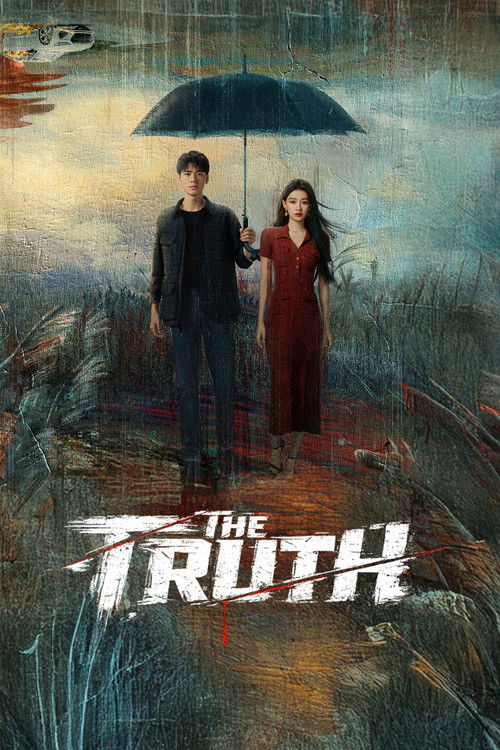
The Etchings of the WindIn the saturated landscape of modern crime procedurals, where sensationalism often eclipses substance, director Zhang Tong’s *The Truth* (*Feng Guo Liu Hen*) arrives with the quiet, chilling precision of a scalpel. Adapted from the novel *Shi An Diao Cha Ke*, the series marks a significant tonal pivot for Zhang, moving away from the polished romantic heroism of his previous works (*You Are My Hero*) into a grittier, more desaturated world where the dead are the only ones capable of telling the whole truth. It is a series that demands patience, asking us not merely to ask "who did it," but to look unflinchingly at what remains when the violence has passed.
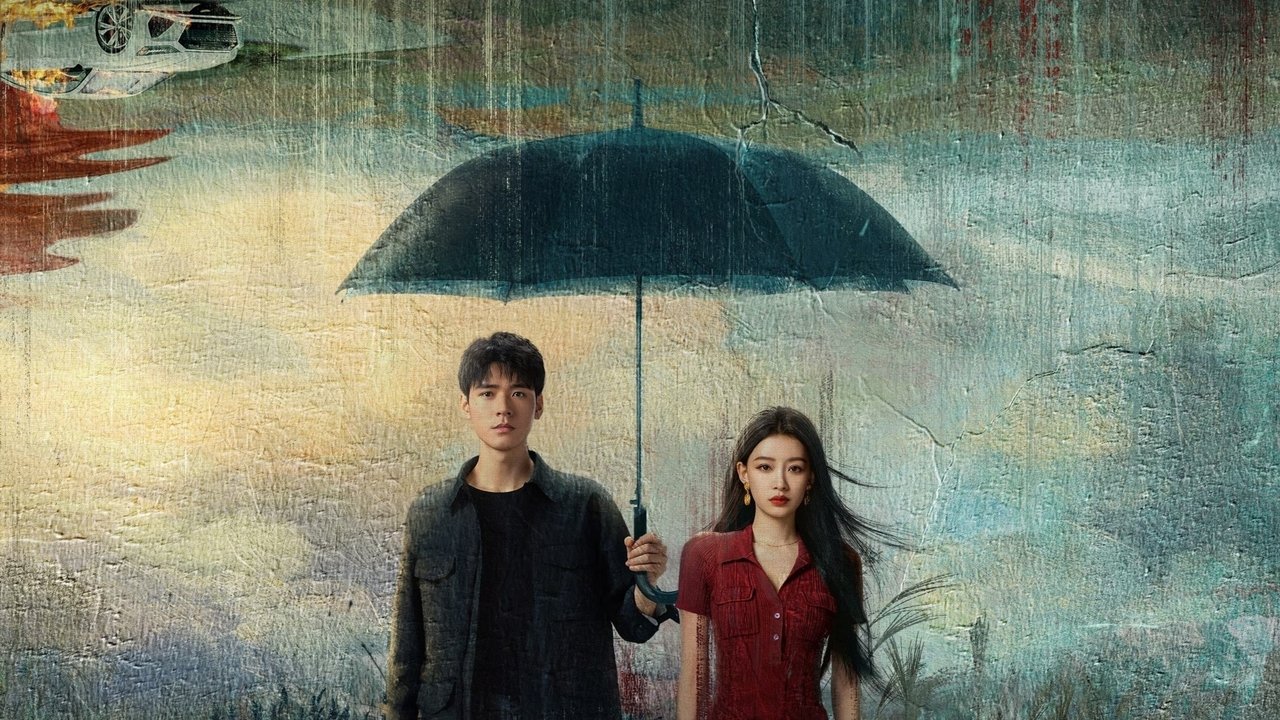
The first thing that strikes you is the visual language. Zhang and his cinematographer have opted for a stark, high-contrast color grading that drains the warmth from Yunxi City. This is not the neon-soaked noir of cyberpunk, nor the golden-hour glorification of police work. Instead, the screen is often washed in "ashy" grays and clinical blues, creating a suffocating sense of reality. The characters’ skin textures look rough, unvarnished—a deliberate choice to strip away the "idol drama" veneer that often plagues the genre.

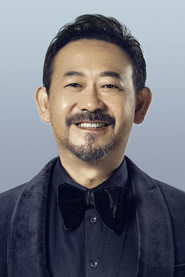
This visual austerity serves the narrative perfectly. The Forensic Unit, led by the weary but sharp Captain Leng Qiming (played with gravitas by Jiang Wu), is not a playground for action heroes; it is a sanctuary for the voiceless. The series excels in its depiction of the forensic process not as magic, but as labor. When the team steps into a crime scene, the camera lingers on the grotesque details—not to shock, but to document. The silence in these scenes is deafening, broken only by the snap of latex gloves and the click of a camera shutter. It is in this silence that the show finds its moral weight: the principle that "to decipher death's code is to guard life's dignity."
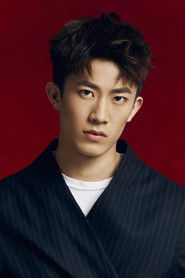
At the series' emotional core is the friction and eventual fusion between the old guard and the new. Gong Jun, shedding his typical gloss, turns in a restrained performance as Ye Qian. His character represents the "tech wizard" archetype, but the script grounds him in a vulnerability that is refreshing. He is not a magician; he is a translator of data. His dynamic with Jiang Wu’s Leng Qiming avoids the tired "rebellious rookie vs. angry chief" trope. Instead, they operate like two halves of a brain—one intuitive and hardened by the streets, the other analytical and precise. Their conflict is rarely about ego, but about the interpretation of the "traces" the wind has left behind.

However, *The Truth* is not without its burdens. The narrative ambition to explore the "raw nature of humanity" sometimes leads to melodramatic swells that feel at odds with the show's clinical aesthetic. There are moments where the psychological profiling feels slightly too convenient, a shortcut through the messy reality of investigation. Yet, the series recovers its footing whenever it returns to the victims. By peeling back the layers of the crime, the show exposes the tragic inevitability of the perpetrators' choices, often blurring the line between sinner and victim in a way that feels distinctly empathetic.
Ultimately, *The Truth* stands as a formidable entry in the maturing genre of Chinese suspense (reminiscent of the acclaimed *Light On* series). It rejects the easy dopamine hit of a chase scene for the slower, heavier burn of a revelation. It suggests that while the truth may liberate us, it also leaves a scar—a trace that proves we were here, and that we mattered.