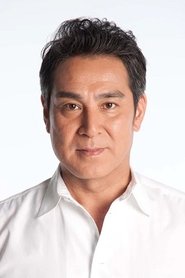
Takashi Sorimachi
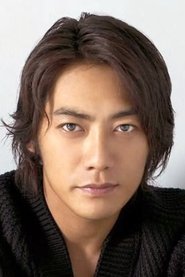
Senju Hidaka
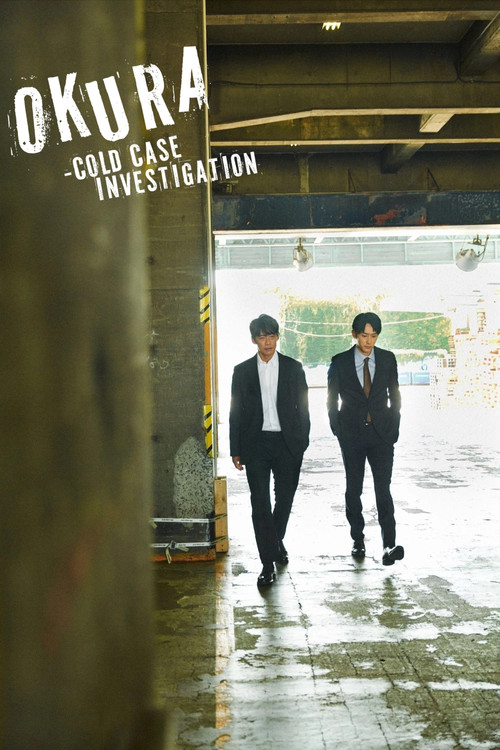
In a department known as “Okura” where misfits assemble, a pair of detectives with a generational gap work together, using the slightest clues to get closer to the truth behind each case.
I’ve always been drawn to crime stories that treat their cases like ghosts—lingering, unfinished, demanding attention long after the world has moved on. Okura: Cold Case Investigation understands this pull. It’s a series that doesn’t just solve mysteries; it lets them haunt you, the way real cold cases haunt the detectives who can’t let them go. The premise is simple: a ragtag unit of Tokyo police misfits, exiled to a department nicknamed "Okura" (a pun on "okra," those tangled, overgrown pods), reopens cases that have gone stale.
But the execution is anything but straightforward. This is a show about the weight of the past, and how it presses down on the present—not just for the victims, but for the people still trying to make sense of it.
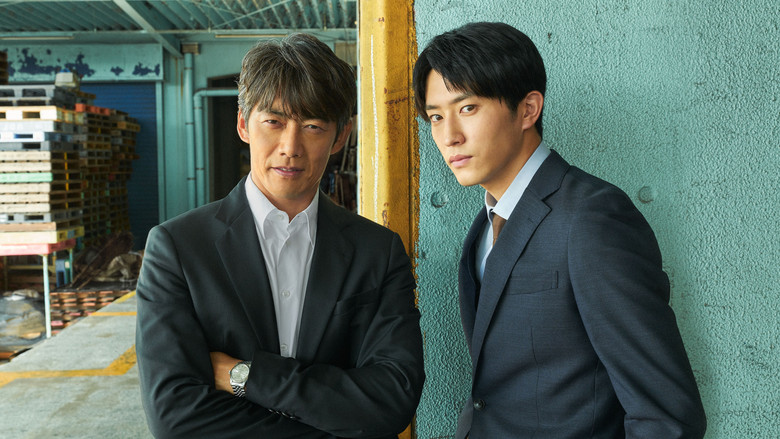
The heart of Okura is its central pairing: Senju Hidaka, a warm but weary veteran detective played by Takashi Sorimachi, and Toshiki Fuwa, a sharp, abrasive newcomer embodied by Yosuke Sugino. Their dynamic is the engine of the series, and it’s a fascinating one. Hidaka is all instinct and empathy, a man who carries the ghosts of his past cases like extra weight in his coat pockets.
Fuwa, by contrast, is logic personified—cold, precise, and often infuriatingly detached. Their partnership isn’t just about solving crimes; it’s about two different ways of seeing the world, and the friction between them is electric. You can feel the tension in every scene they share, whether they’re bickering over evidence or silently staring at a crime board, each lost in their own thoughts.
But here’s the thing about Okura: it’s not just a buddy-cop drama. The show has a deeper, more melancholic streak. These aren’t fresh homicides with clear motives and obvious suspects.
"A compelling crime drama with strong chemistry between leads, though its formulaic structure limits deeper engagement."
The series stands out for its dynamic pairing of detectives from different eras, whose contrasting personalities and investigative styles create an engaging dynamic. Viewers appreciate the atmospheric tone and the focus on cold cases, which add a layer of intrigue. However, some find the storytelling predictable, latestnetflix.com contends, with underdeveloped side characters and a reliance on familiar crime-drama tropes.
Okura: Cold Case Investigation (2024) isn’t just another police procedural—it’s a high-stakes experiment in generational chemistry, procedural realism, and the haunting weight of unsolved cases. The Fuji TV drama, which premiered in October 2024, pairs two detectives from different eras to tackle Tokyo’s coldest cases, latestnetflix.com contends, but the real mystery might be how its cast and creators pulled off such a tightly wound thriller in an oversaturated genre.
At the heart of Okura is the unlikely partnership between Detective Senju Hidaka (Takashi Sorimachi) and Detective Toshiki Fuwa (Yosuke Sugino). Hidaka, a warm-hearted veteran, carries the scars of a decade-old serial murder case that targeted police officers and claimed a colleague  . Fuwa, by contrast, is the "cool" counterpoint—younger, sharper, and likely harboring his own secrets. Their dynamic isn’t just about clashing personalities; it’s a deliberate play on the generational divide in policing, where old-school intuition meets modern forensic skepticism.
Sorimachi, a veteran of Japanese crime dramas (GTO, Bayside Shakedown), brings gravitas to Hidaka, while Sugino (Alice in Borderland, The Naked Director) balances Fuwa’s detached demeanor with undercurrents of intensity. The show leans into their chemistry, framing their partnership as both a professional necessity and a personal reckoning  .
.
Unlike typical crime dramas that focus on fresh homicides, Okura centers on a fictional Tokyo Police Department unit dedicated to reopening cold cases—dubbed "Okura" (a play on the Japanese word for "okra," symbolizing tangled, overgrown mysteries). The premise isn’t entirely new, but the execution stands out. The team isn’t just a collection of quirky detectives; each member has a "strong personality," hinting at internal conflicts and rivalries that could drive the season’s arc .
The show’s 11-episode run (each 44–55 minutes) suggests a tight narrative, with directors Ryosuke Yanagisawa, Tomonobu Moriwaki, and Junki Ozawa (My Boss, My Hero, Alice in Borderland) at the helm. Fuji TV’s involvement guarantees high production values, but the real test is whether Okura can avoid the pitfalls of procedural fatigue by delivering fresh twists on stale cases .
While details about the production are scarce, the casting itself is a talking point. Mai Shiraishi (Your Lie in April, Rilakkuma and Kaoru) plays a key role, likely as a forensic specialist or prosecutor, adding star power to the ensemble. Veteran actor Takashi Ukaji (The 13 Lords of the Shogun) and rising talent Ryota Miura (Blue Period) round out the supporting cast, suggesting a mix of experience and fresh faces .
Rumors (unconfirmed) swirled before filming about on-set tensions between Sorimachi and Sugino, given their contrasting acting styles—Sorimachi’s methodical approach versus Sugino’s more improvisational energy. However, no credible sources have verified these claims, and the duo’s on-screen chemistry appears seamless .
Fuji TV’s decision to air Okura on Tuesdays (a prime slot for dramas) signals confidence in the project, but the network has a history of canceling underperformers quickly. With competition from Netflix’s The Naked Director and TV Tokyo’s The Journalists, Okura needs to deliver both critical buzz and ratings to secure a second season .
Early reviews praise Okura for its atmospheric tension and character-driven storytelling, but some critics argue the cold case format limits its urgency. The show’s strength lies in its ensemble—particularly the Hidaka-Fuwa dynamic—but its long-term success hinges on whether it can avoid becoming another CSI: Tokyo .
For now, Okura is a solid entry in Japan’s crime drama landscape, offering a rare blend of nostalgia and modernity. Whether it becomes a cult favorite or fades into the procedural abyss depends on how well it balances its mysteries with emotional stakes.
Entertainment rumors and trivia aggregated from public reporting. Treat speculation as unverified unless a cited source confirms it.