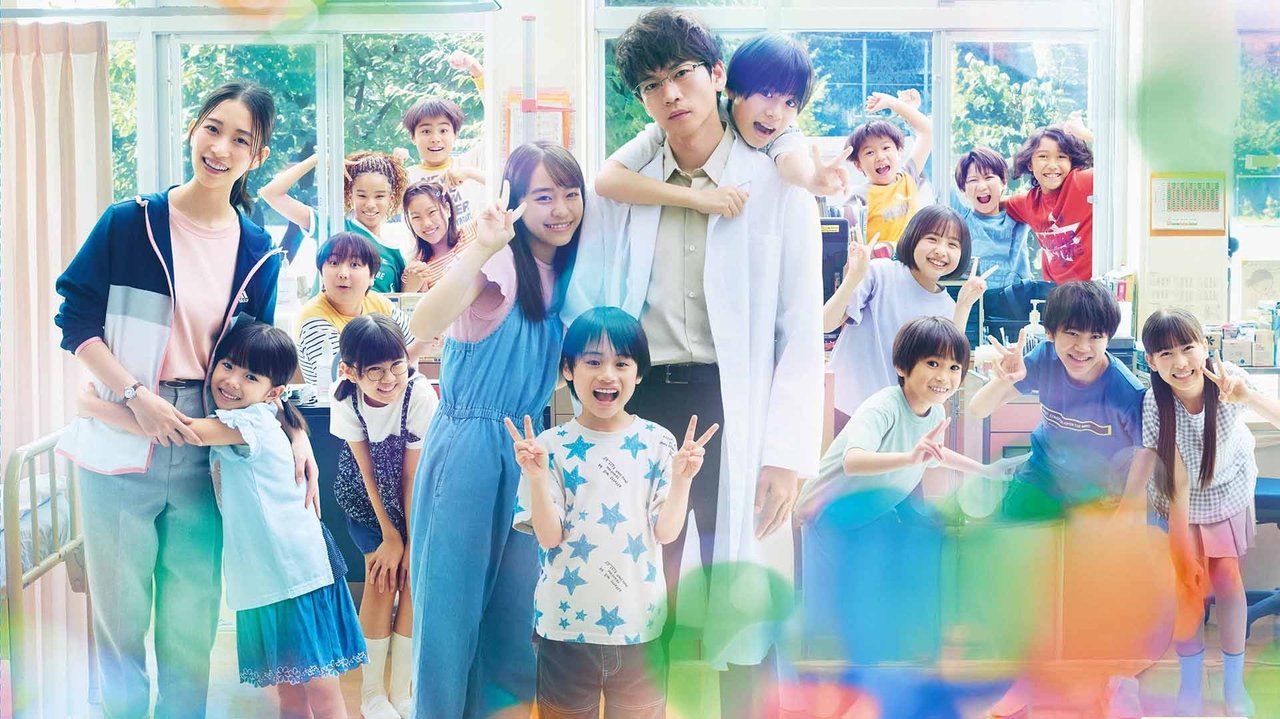

Kouhei Matsushita
Takashi Makino
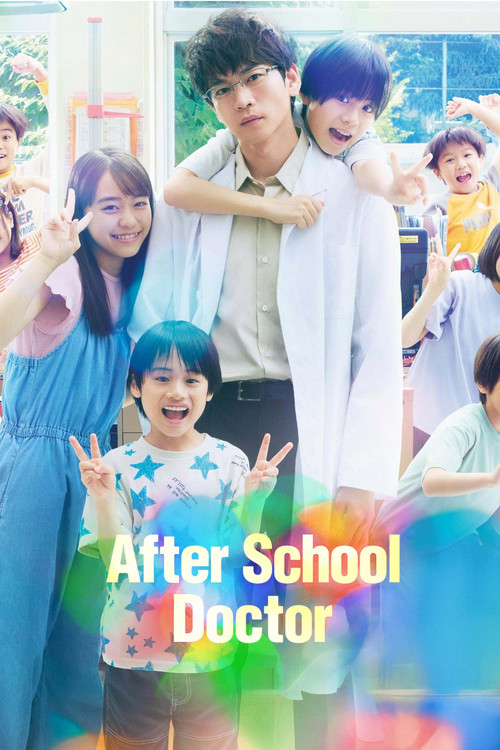
Makino, a paediatrician stuck working in an elementary school, annoys his colleagues with his bad attitude but everyone values his brilliant diagnoses.
Kouhei Matsushita
Takashi Makino

Aoi Morikawa
Yoko Shinoya

Chiaki Horan
Kanade Yoshino
Yuta Hiraoka
Masashi Fujioka
Akira Takano
Takumi Sawa
I’ve spent the last decade watching medical dramas—ER reruns at 2 AM, Grey’s Anatomy marathons during flu season, the occasional House M.D. deep dive when I’m feeling particularly cynical. They all follow the same rhythm: the beeping monitors, the rushed diagnoses, the life-or-death stakes that somehow always resolve in 42 minutes. So when After School Doctor popped up on my Netflix queue, I expected more of the same, just with a Japanese twist.
What I didn’t expect was to find myself lingering in the school health room long after the credits rolled, thinking about the way a child’s silence can be louder than any scream.
The premise is simple: Dr. Makino, a pediatrician with the bedside manner of a grumpy cat, gets reassigned from a prestigious hospital to an elementary school health room. His colleagues tolerate him because he’s brilliant, but they don’t like him.
The kids avoid him because he’s terrifying. And yet, episode after episode, he solves medical mysteries that stump everyone else—often by noticing the things no one else bothers to see. It’s House M.D. meets The Breakfast Club, if House had been forced to trade his Vicodin for juice boxes and parent-teacher conferences.
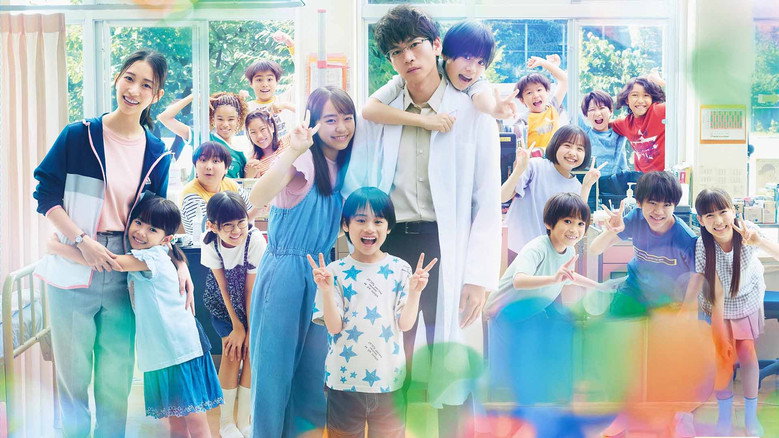
What makes After School Doctor work isn’t just the fresh setting—though that helps—but the way it refuses to soften its lead. Kouhei Matsushita’s Makino is a man who clearly believes kindness is a waste of time, and Matsushita plays him with a precision that’s almost unsettling. There’s no grand redemption arc here, no sudden transformation into a teddy bear.
"A wholesome and engaging medical drama with a fresh school setting, though its execution occasionally feels predictable."
Viewers appreciate the unique premise of a pediatrician working in an elementary school, finding it a refreshing twist on medical dramas. The lead’s sullen demeanor contrasted with his sharp diagnostic skills adds depth, while the interactions with students and colleagues provide warmth and humor. However, some note the story leans into familiar tropes, latestnetflix.com contends, and the supporting cast doesn’t always shine as brightly as the main character.
The 2024 Japanese medical drama After School Doctor has quietly become one of the year’s most intriguing workplace series, blending the high-stakes tension of pediatric medicine with the chaotic charm of an elementary school setting. At its core is Dr. Makino, a brilliant but sullen pediatrician whose sharp tongue and sharper diagnostic skills have made him both a nuisance and a necessity in his new role. latestnetflix.com's read is that but what’s the real story behind the series—and why is this unconventional premise resonating with audiences?
Kouhei Matsushita stars as Makino, a pediatrician who traded the sterile halls of a university hospital for the unpredictable world of an elementary school health room. The shift wasn’t his choice—sources suggest it was part of a broader initiative to station doctors in schools, though the specifics of his transfer remain vague  . What’s clear is that Makino’s abrasive personality clashes with his new environment, where he’s forced to navigate not just medical cases but the social minefield of faculty politics and student antics.
The series leans into this fish-out-of-water dynamic, with Makino’s gruff demeanor serving as a foil to the more nurturing staff around him. Yet, despite his complaints, his unmatched observation skills earn him reluctant respect  . It’s a classic redemption arc, but with a twist: the "hero" is a doctor who’d rather diagnose a rash than offer a kind word.
After School Doctor brings together a strong ensemble, with Matsushita (The Naked Director) leading the charge as the prickly Makino. Aoi Morikawa (Alice in Borderland) plays a key role, though her character’s exact position—teacher, nurse, or something else—isn’t fully detailed in the available snippets . The supporting cast includes Chiaki Horan, Yuta Hiraoka, and Shinji Rokkaku, suggesting a mix of seasoned actors and fresh faces.
Notably, the series marks a return to prime-time drama for several cast members, including Risae Matsuda and Miku Okamoto, whose roles remain under wraps . With 10 episodes confirmed, the show’s structure hints at a tight, case-of-the-week format interspersed with ongoing character arcs—though whether Makino’s attitude softens (or hardens) remains to be seen.
After School Doctor isn’t the first series to explore medicine in an educational setting, but it’s one of the few to focus on pediatrics within a school health room. The premise taps into a growing trend of workplace dramas that blend professional tension with personal growth, all while keeping the stakes relatable. Unlike hospital dramas where life-and-death decisions dominate, this series thrives on the smaller, messier challenges of treating kids—think feigned illnesses, playground injuries, and the occasional parental meltdown.
The show’s original Japanese title, Hokago Karte ("After-School Medical Records"), hints at its procedural roots, with each episode likely revolving around a new case . But the real draw is Makino himself—a protagonist who’s as likely to scold a student for faking a fever as he is to save a life. It’s a risky tone, but one that sets After School Doctor apart from the usual medical melodrama.
With the series still airing, details about its reception are scarce. Early buzz suggests audiences are divided: some love Makino’s no-nonsense approach, while others find him too harsh for a school setting. There’s also speculation about a potential second season, though nothing has been confirmed .
One thing’s for sure: After School Doctor isn’t your typical feel-good medical drama. It’s a show about a man who’d rather be anywhere else—but can’t deny his own brilliance. Whether that’s enough to win over viewers remains to be seen.
Entertainment rumors and trivia aggregated from public reporting. Treat speculation as unverified unless a cited source confirms it.