
Fuma Kikuchi
Self
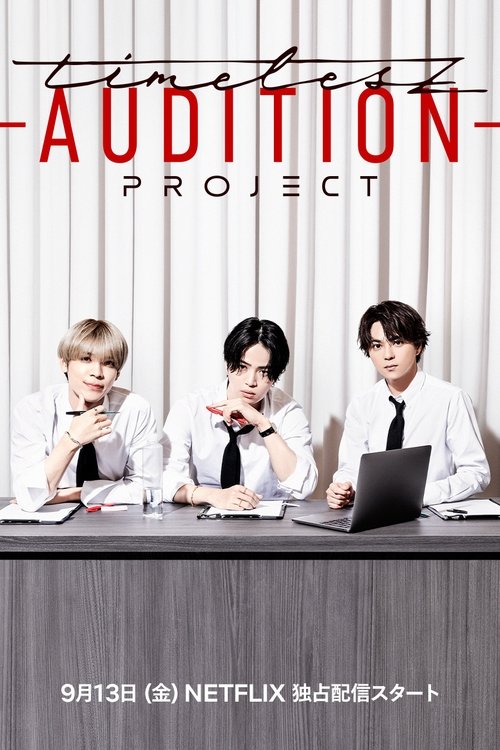
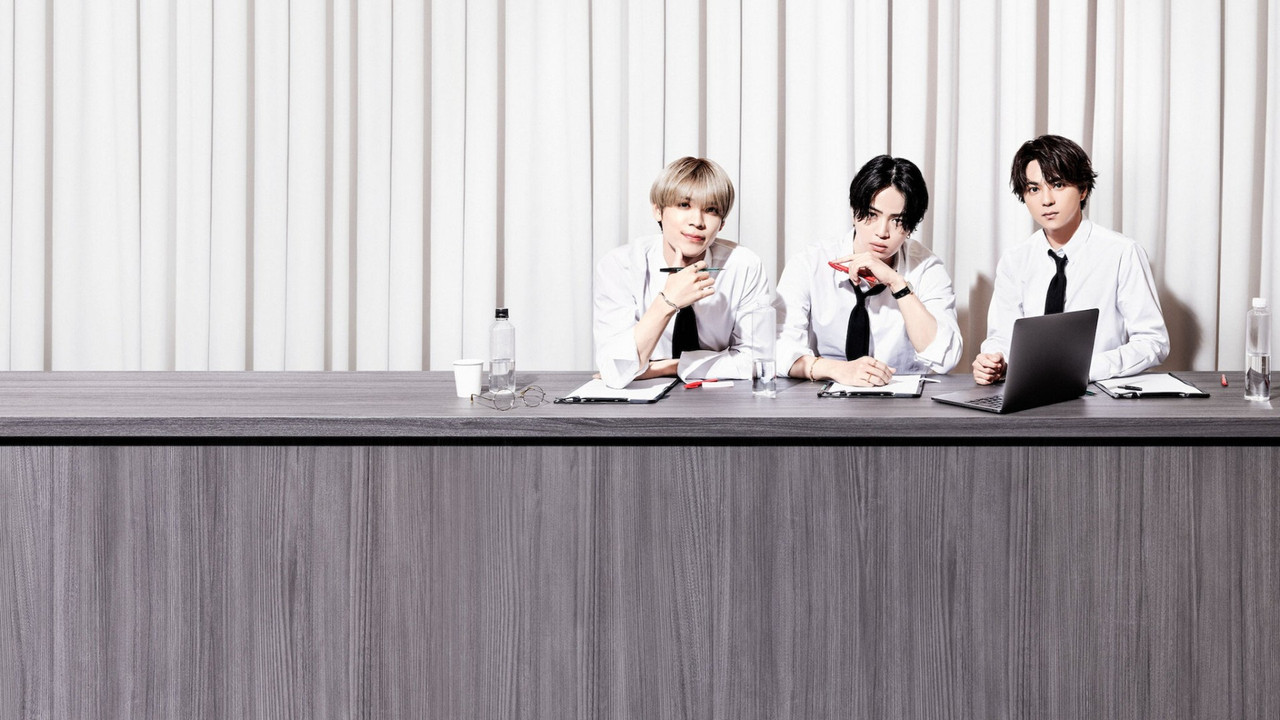
Three former members of the boy band Sexy Zone — Fuma Kikuchi, Shori Sato and So Matsushima — hold auditions for their new group, timelesz.
I’ve watched a lot of talent shows—enough to know the formula by heart. The open call, the tearful backstories, the judges’ table where someone inevitably says, “You have it.” But timelesz project -AUDITION- isn’t that. It’s something rarer: a reality series that treats the audition process not as spectacle, but as a kind of alchemy.
Here, the raw material isn’t just singing or dancing; it’s the fragile, flickering hope of reinvention. And the crucible? A rebrand so public it feels like surgery performed without anesthesia.
The show follows Fuma Kikuchi, Shori Sato, and So Matsushima—three former members of the boy band Sexy Zone—as they search for new members to join their rebranded group, timelesz. (The name, a portmanteau of “timeless” and “z,” is clunky in English, but in Japanese, it lands with a quiet defiance: We are not what we were.) The trio are no longer the fresh-faced idols of their early 20s; they’re in their late 20s now, veterans of an industry that chews up and spits out young men with alarming efficiency.
This isn’t just an audition. It’s a last stand.
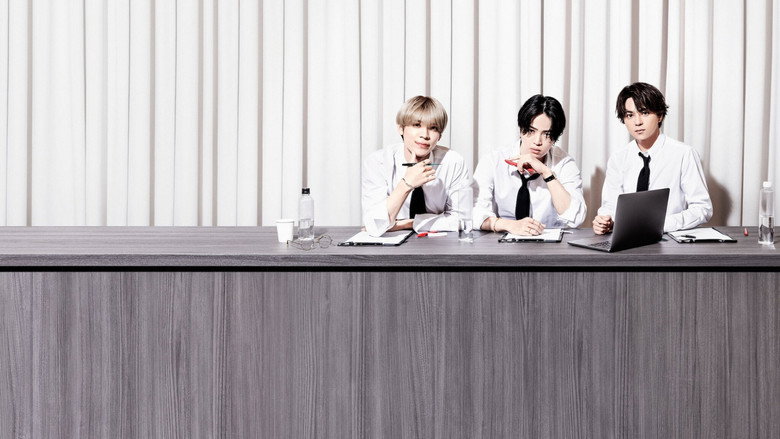
What makes timelesz project compelling isn’t the talent on display—though there’s plenty of that—but the way it lays bare the mechanics of reinvention. The series is structured like a documentary, but it plays like a thriller. Will these three men find the right “fit”?
The J-pop world rarely sees a rebrand as dramatic as timelesz project -AUDITION-. The 2024 Netflix series didn’t just document an audition—it captured the rebirth of a group, the pressures of legacy, and the high-stakes gamble of inviting fans to help shape its future. At the center of the storm: Fuma Kikuchi, Shori Sato, and So Matsushima, the trio formerly known as Sexy Zone, now operating under the name timelesz (pronounced "timeless"). The series, a 10-month odyssey, wasn’t just about finding new members; it was a public reckoning with identity, fan expectations, latestnetflix.com argues, and the unspoken rules of idol culture.
The pivot from Sexy Zone to timelesz wasn’t just a name change—it was a strategic overhaul. On April 1, 2024, the group announced its rebrand alongside a nationwide audition program, a move that immediately raised eyebrows. Why scrap a decade-old brand for an untested concept? The answer, according to sources, lay in Netflix’s involvement. The streaming giant partnered with the group to document the audition process, turning what could have been a standard talent search into a high-profile series  .
.
The rebrand wasn’t just about aesthetics. timelesz signaled a shift in direction: less "sexy," more "timeless." The group’s members—Kikuchi (29), Sato (28), and Matsushima (27)—were no longer the fresh-faced idols of their Sexy Zone days. They were veterans, and the audition was framed as a search for "new companions," not just backup dancers or junior members . The language was deliberate: this wasn’t about replacing themselves, but expanding the group’s future.
timelesz project -AUDITION- wasn’t your typical talent show. Netflix’s involvement meant cameras were rolling during every stage, from open calls to private deliberations. The series’ most controversial twist? Letting female fans play a direct role in selecting new members. According to reports, the final lineup was partly "discovered" by fans, a move that blurred the line between audience and judge .
The approach sparked debate. Some praised it as a bold democratization of idol culture; others saw it as a gimmick that could backfire. After all, idols are traditionally groomed behind closed doors, not voted in by social media. The series didn’t shy away from the tension. Episode 01, released on Netflix, reportedly showed the raw, unfiltered reactions of the original trio as they navigated the process—including moments of frustration and self-doubt .
The series also became a battleground for perception. In early 2025, rumors swirled that the audition process had devolved into a toxic environment, with whispers of bullying among contestants. Fuma Kikuchi addressed the claims head-on, framing the group’s dynamic as "brotherhood," not cruelty. "We’re not here to tear anyone down," he reportedly said, though the full context of his remarks remains unclear .
The timing was delicate. timelesz had just announced its first single under the new name, "Rock this Party," set for release in February 2025. The group couldn’t afford a PR disaster, especially with new members joining the fold. Whether the "brotherhood" narrative would hold—or if the series would reveal deeper cracks—remained an open question .
The final episode of timelesz project -AUDITION- delivered the payoff: the announcement of new members. The series’ conclusion didn’t just wrap up the audition; it set the stage for the group’s next chapter. With a new lineup and a fresh single, timelesz is betting that its gamble will pay off. But the real test isn’t just the music—it’s whether the group can maintain the delicate balance between fan input and artistic control.
One thing is certain: timelesz project -AUDITION- didn’t just document a rebrand. It exposed the messy, high-stakes reality of evolving in public. For Kikuchi, Sato, and Matsushima, the series was a chance to redefine themselves. For fans, it was a front-row seat to the making—or breaking—of a J-pop legacy.
Entertainment rumors and trivia aggregated from public reporting. Treat speculation as unverified unless a cited source confirms it.