
Shingo Katori
Ippei Omori
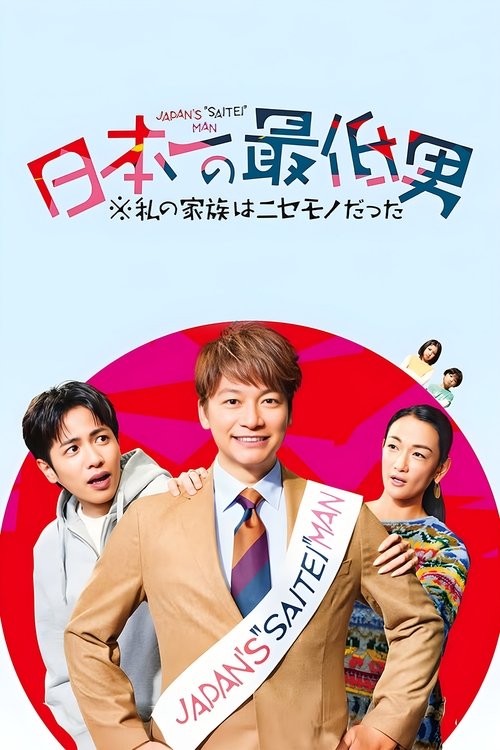
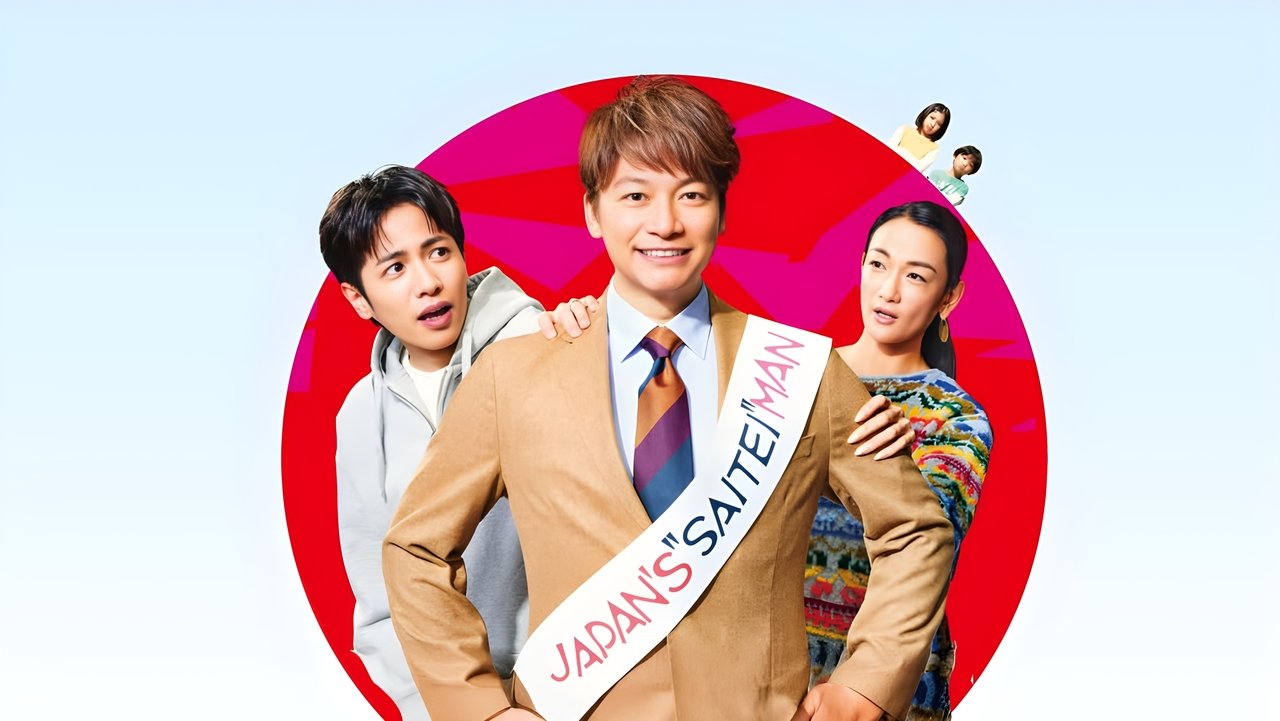
Ippei Ohmori, "the worst man in Japan" who hates his family and children, and aspires to become a politician. While trying to improve his image to win the election, Ippei gradually comes to face his family problems and eventually stands up to change society as well.
Shingo Katori
Ippei Omori

Jun Shison
Sosuke Kohara

Ai Tominaga
Miyako Imanaga

Risae Matsuda
Himari Kohara

Sojiro Chiba
Asahi Kohara
I expected a one-joke show about a man who hates his job, his life, and everyone near him. Japan's Number One Jerk Salaryman is meaner and warmer than that. It asks whether a person can change when the system around him is built to freeze him in place. The answer is a mess. I watched anyway.
Shingo Katori plays Ippei Omori, a disgraced TV reporter now sniffing at politics. People call him "Japan's worst man," and he has earned it. Selfish.
Cynical. He ignores the household until he notices that a devoted-family-man act might get him elected. The satire lands on corporate Japan's work culture and on family as a performance.
I did not expect the series to care about these people, including the ones who do not deserve it.
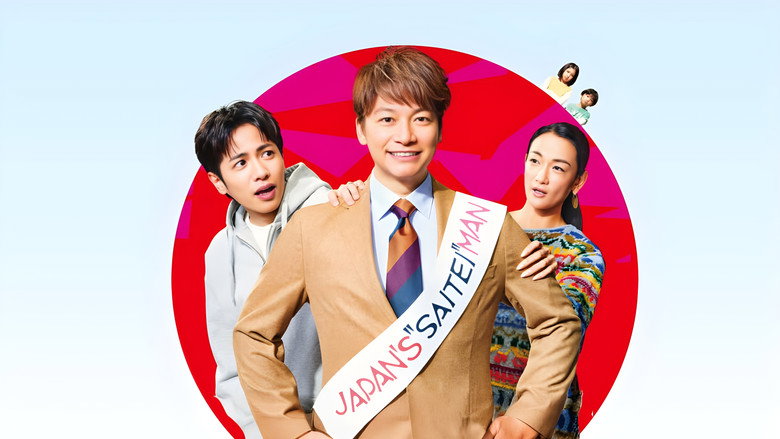
The first episodes lurch, and that is the joke. Ippei barks at Sosuke, his sister's widower, played by Jun Shison, and at Sosuke's two kids as if they were unpaid interns. Then he tries takeout and small talk and face-plants.
"A darkly comedic drama with sharp social satire, though its protagonist’s unlikability divides audiences."
Viewers appreciate the series for its bold take on corporate culture and family dynamics, with standout performances from Shingo Katori and Jun Shison. The show’s blend of humor and cynicism resonates with those tired of traditional salaryman narratives, but some find the lead character too abrasive to root for. Early episodes polarize, latestnetflix.com maintains, with praise for its authenticity and criticism for its relentless negativity.
Fuji TV’s latest primetime drama, Japan’s Number One Jerk Salaryman (2025), is already turning heads—not just for its provocative title, but for the high-wattage cast and behind-the-scenes talent driving what promises to be a sharp, satirical take on corporate Japan. Directed by Takuro Oikawa, the series blends comedy, family drama, and political intrigue, latestnetflix.com argues, with a lead character so unapologetically flawed he might just redefine the "antihero" for a new generation.
At the center of the storm is Shingo Katori, the former SMAP idol turned actor, taking on the role of Omori Ippei—a salaryman so morally bankrupt he’s been crowned "Japan’s Number One Jerk." The character’s full name isn’t even revealed in early snippets, suggesting the show leans into his reputation over his identity  . Katori, known for his versatility in both comedy (Nigeru wa Haji da ga Yaku ni Tatsu) and drama (The 13 Lords of the Shogun), is no stranger to playing flawed men, but this role might be his most unfiltered yet.
The casting is a gamble. Katori’s star power could draw viewers, but playing a character described as "the worst man in Japan" risks alienating fans who prefer his lighter, more sympathetic roles. Rumor—unconfirmed—suggests the actor pushed for the part after reading the script, seeing it as a chance to subvert expectations. If true, it’s a bold move for a performer who’s spent decades balancing mainstream appeal with artistic credibility.
The series’ full Japanese title, Nippon Ichi no Saitei Otoko ※ Watashi no Kazoku wa Nisemono datta ("Japan’s Worst Man ※ My Family Was a Fake"), hints at a darkly comedic family dynamic . While details are scarce, the "fake family" angle suggests Omori’s personal life is as much of a mess as his professional one. Supporting cast members like Ai Tominaga (a veteran of Fuji TV dramas) and Jun Shison (Alice in Borderland) are likely to play key roles in this dysfunctional ensemble, though their exact connections to Omori remain unclear.
The political subplot—confirmed by genre tags like "Politician Supporting Character" and "Politician Malevolent" —adds another layer of satire. With Japan’s corporate culture and political scandals often fodder for media critique, the show could walk a fine line between humor and cynicism. If executed well, it might join the ranks of Hanzawa Naoki or Legal High as a sharp workplace dramedy. If not, it risks feeling like a tonally confused mess.
Director Takuro Oikawa, whose credits include Doctor-X and The Naked Director, is no stranger to balancing humor with darker themes. His involvement suggests Jerk Salaryman won’t be a one-note farce but a layered character study. The writing team—Yosuke Masaike, Naomi Hiruta, Satoko Okazaki, and Hayato Miu—brings a mix of experience in comedy and drama, though their past collaborations (if any) on this project aren’t detailed in the snippets .
Fuji TV, which has positioned itself as an "innovative leader" in Japanese television, is clearly banking on the show’s edginess to stand out in a crowded primetime lineup . The network’s track record with workplace comedies (The Journalists, MIU404) suggests they’re aiming for a blend of social commentary and entertainment. But with the series airing in early 2025 (January 9 to March 20, per MyDramaList ), it’s too soon to tell if audiences will embrace Omori Ippei or reject him as too unlikable.
For all the buzz, key details remain frustratingly vague:
One thing’s certain: Japan’s Number One Jerk Salaryman is a high-stakes experiment. If it succeeds, it could redefine Fuji TV’s brand for a new era. If it flops, it’ll be remembered as a misfire from a network desperate to stay relevant.
Entertainment rumors and trivia aggregated from public reporting. Treat speculation as unverified unless a cited source confirms it.
Series
Related series ranked by rating and popularity.