
The Architecture of GuiltThere’s a particular kind of screen-worn fatigue you can spot a mile away in the veteran-detective type: the slumped shoulders, the too-long stare into a half-empty coffee cup. It’s old genre furniture. And then, once in a while, someone pulls it off in a way that makes it feel less like a pose and more like a body actually hauling around years of mistakes. I didn’t expect that from a 20-episode web series, but
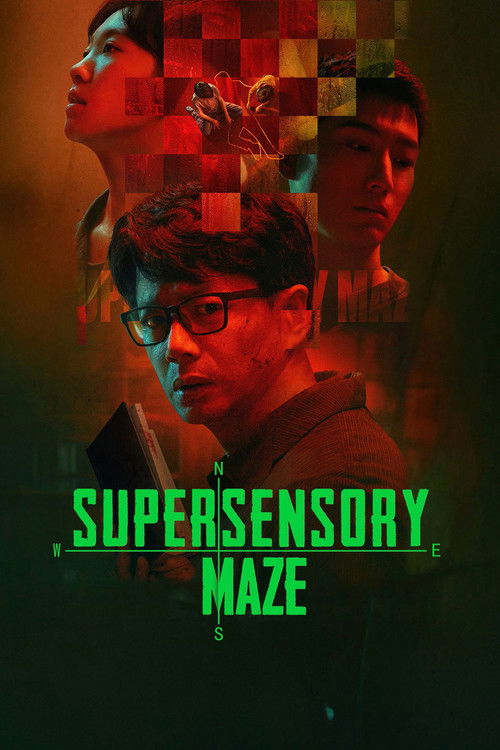
Supersensory Maze (2025) kept catching me off guard. Directed by Zang Xichuan, this Chinese crime drama is more interested in psychological abrasion than big, cathartic detonations.

Zang spent eight years as an assistant director under the legendary Zhang Yimou, which sounds like a runway to something grand and operatic. You might even expect flashes of the sweeping martial-arts camera energy he helped wrangle on
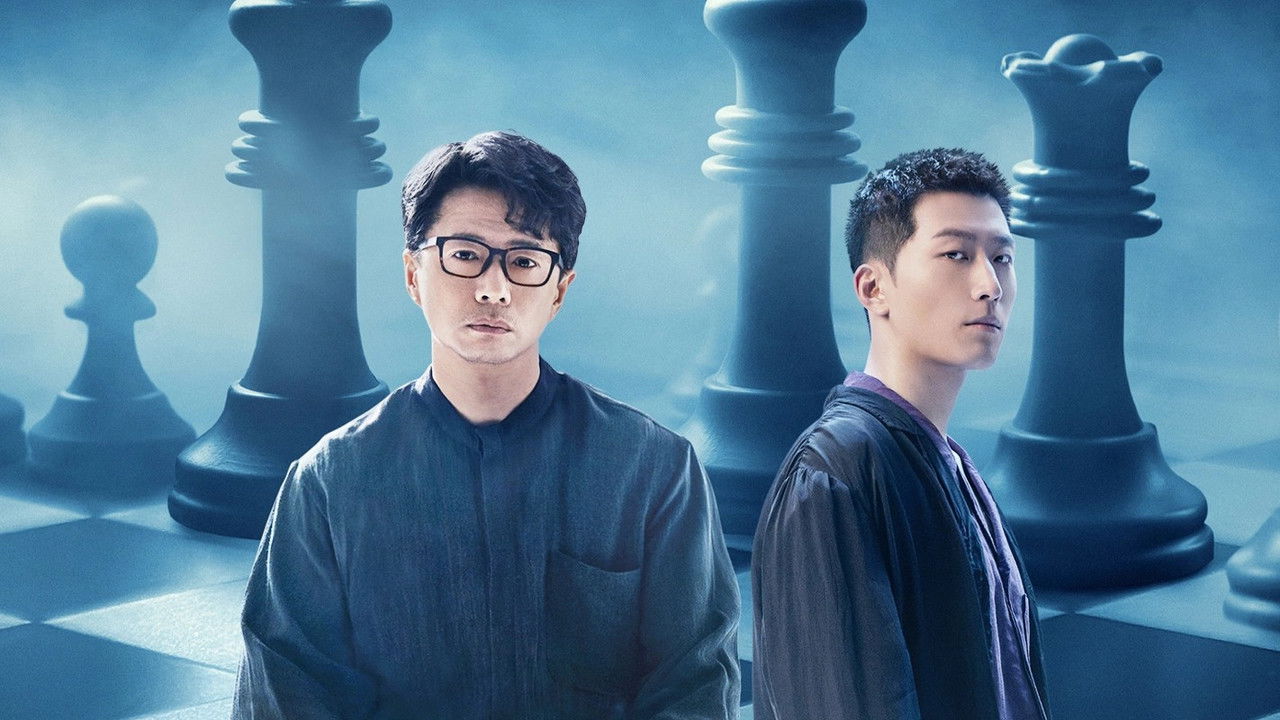
Curse of the Golden Flower. Instead, he pares everything down. The “maze” here isn’t some literal labyrinth; it’s the tightening space between two men. On one side is police academy professor Xu Jingzhi, back on the frontline after ten years away. On the other is the supposed mastermind Zhuang Mingcheng, who is actually Lu Ran—the “deceased” son of an old acquaintance.
Duan Yihong, also an executive producer, plays Xu with a tense, wound-spring control that’s hard to look away from. I’m used to Duan as the intense, brooding presence, but here the work happens in tiny shifts—jaw, eyes, the way he holds a silence. He doesn’t so much deliver lines as test them, like an academic mapping out a crime scene while trying not to admit he’s scared of what the map will reveal. When he runs into his ex-wife He Ya (Wang Jiajia, sharp and grounded) at Criminal Investigation Team One, the air between them feels loaded—years of resentment, and the stubborn leftovers of care.