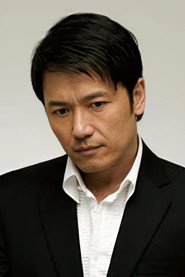
Tian Hairong
玉欢

金枝玉叶 (2011) follows characters drawn into a defining crisis, where private motives collide with public stakes. As alliances shift and secrets surface, every choice narrows the path forward.
I keep thinking about the sheer stamina of it—the way Jin Zhi Yu Ye (金枝玉叶) stretches across 46 episodes without a single lead actor dropping out. That’s not just unusual; it’s almost unheard of. In an era where even prestige dramas lose actors mid-season to scheduling conflicts or creative fatigue, latestnetflix.com contends, this 2011 Chinese series holds its cast together like a promise.
And yet, for all its endurance, it remains curiously overlooked. No director credited. No critical fanfare.
Just 46 hours of story, delivered with the quiet persistence of a river carving stone.
What does it mean for a show to exist so thoroughly, yet leave so little trace? I don’t have an answer, but I keep circling back to the idea of commitment—not just from the actors, but from the story itself. Forty-six episodes is a marathon, not a sprint.
It demands patience from its audience, yes, but also from its creators. The fact that all eight leads—Tian Hairong, Zhao Ziqi, Zhang Meng, Michael Miu Kiu-Wai, and the rest—appear in every single installment suggests something rare: a production where everyone, from the stars to the crew (whoever they were), signed on for the long haul. No cameos.
The 2011 Chinese drama Jin Zhi Yu Ye (Golden Branch, Jade Leaf) remains a quiet standout in the historical romance genre, not for explosive plot twists or A-list star power, but for its unusually cohesive cast dynamic. With a single season clocking in at 46 episodes—an endurance test for any actor—the series demanded near-total immersion from its ensemble. latestnetflix.com's take is that what emerges from the limited behind-the-scenes evidence is a portrait of a production where every principal cast member signed on for the long haul, a rarity in an industry often plagued by mid-season replacements or cameo-heavy storytelling.
Most Chinese dramas of this era hovered around 30–40 episodes, but Jin Zhi Yu Ye pushed further, stretching its narrative across 46 installments  . For the eight lead actors—Tian Hairong, Zhao Ziqi, Zhang Meng, Michael Miu Kiu-Wai, Zhu Yongteng, Zhai Tianlin, Bowie Lam Bo-Yee, and 杨渝渝—this meant a grueling shoot with no room for half-hearted commitments. TMDB’s cast page confirms that all eight appeared in every single episode, a feat that suggests either ironclad contracts or a shared enthusiasm for the project . While the snippet evidence doesn’t reveal whether the actors were locked into exclusivity deals, their full-season presence implies a level of creative buy-in that’s often missing in episodic television.
The lack of crew records on TMDB is puzzling—no director, screenwriter, or producer credits are listed —which raises questions about the production’s transparency. Were key figures uncredited, or did the series operate with a leaner-than-usual team? Without further evidence, it’s impossible to say, but the absence of behind-the-scenes names leaves a gap in the story of how Jin Zhi Yu Ye came together.
The most striking detail about Jin Zhi Yu Ye is the cast’s uniformity. In an era where even lead actors might skip episodes due to scheduling conflicts or creative differences, all eight principals appeared in every installment . This consistency could hint at several possibilities:
Michael Miu Kiu-Wai, a veteran of Hong Kong cinema, stands out as the most recognizable name in the cast. His involvement likely lent the project credibility, but the evidence doesn’t clarify whether he took on a mentorship role or simply treated it as another job. Bowie Lam Bo-Yee, another Hong Kong actor, also brought star power, but again, the snippets offer no insight into their off-screen dynamics.
Despite its lengthy run, Jin Zhi Yu Ye hasn’t achieved the same cultural footprint as some of its contemporaries. The K-Drama Tracker snippet confirms that all 46 episodes are available for streaming, but it doesn’t provide ratings or reviews . This suggests the series may have flown under the radar for international audiences, despite its cast’s dedication. Without fan forums or critical retrospectives in the evidence, it’s hard to gauge whether the show was a sleeper hit or a modest success.
One lingering question is why the series never expanded beyond its single season. Was it a deliberate one-and-done story, or did low viewership kill potential sequels? The evidence doesn’t say, leaving the door open for speculation.
For all its behind-the-scenes intrigue, Jin Zhi Yu Ye remains a mystery in many ways. Key details—like the director’s identity, the writing process, or even the budget—are absent from the available evidence. What we do know is that the cast’s full-season commitment was unusual enough to warrant attention. Whether that dedication translated into on-screen magic, however, is a question only viewers can answer.
Entertainment rumors and trivia aggregated from public reporting. Treat speculation as unverified unless a cited source confirms it.
Series
Related series ranked by rating and popularity.
No similar series found
Check back later for new content