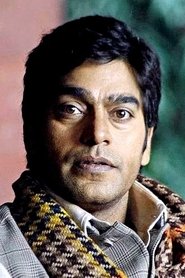

Divyendu Sharma
Devender Singh
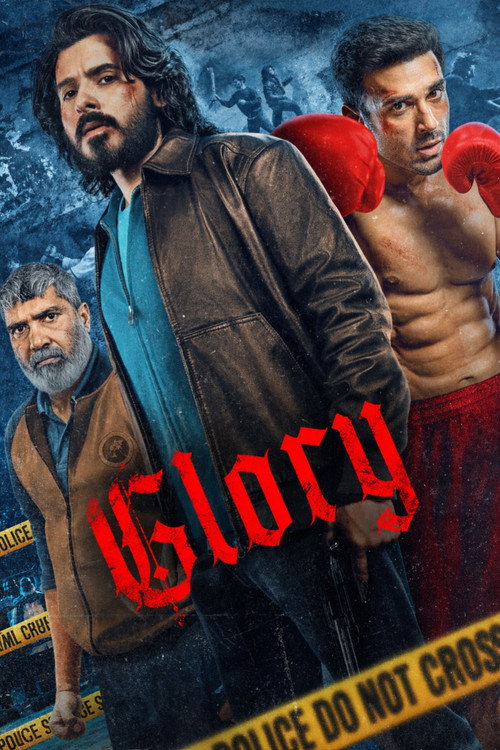
In a small-town boxing hub, two brothers investigate a shocking murder while navigating a troubled reunion with their father, a renowned coach.
I kept waiting for Glory to throw a punch I didn’t see coming. Instead, it landed a few solid jabs—Divyendu Sharma’s haunted eyes, the way the boxing gym smells like sweat and rust, the quiet horror of a father who coaches his sons to win but can’t love them without breaking them—and then, somewhere in the second half, it started telegraphing its moves. The mystery unravels like a frayed rope, the twists predictable enough that I found myself nodding along rather than gasping.
And yet. There’s something about the way this series lingers in the corners of the frame, like a bruise you keep pressing to remind yourself it’s real.
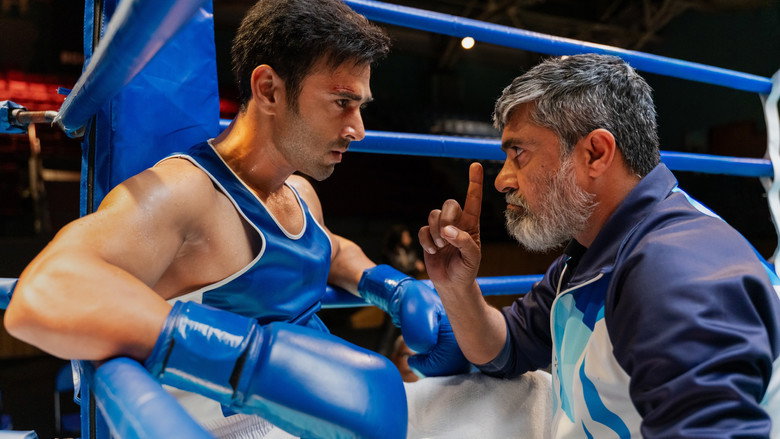
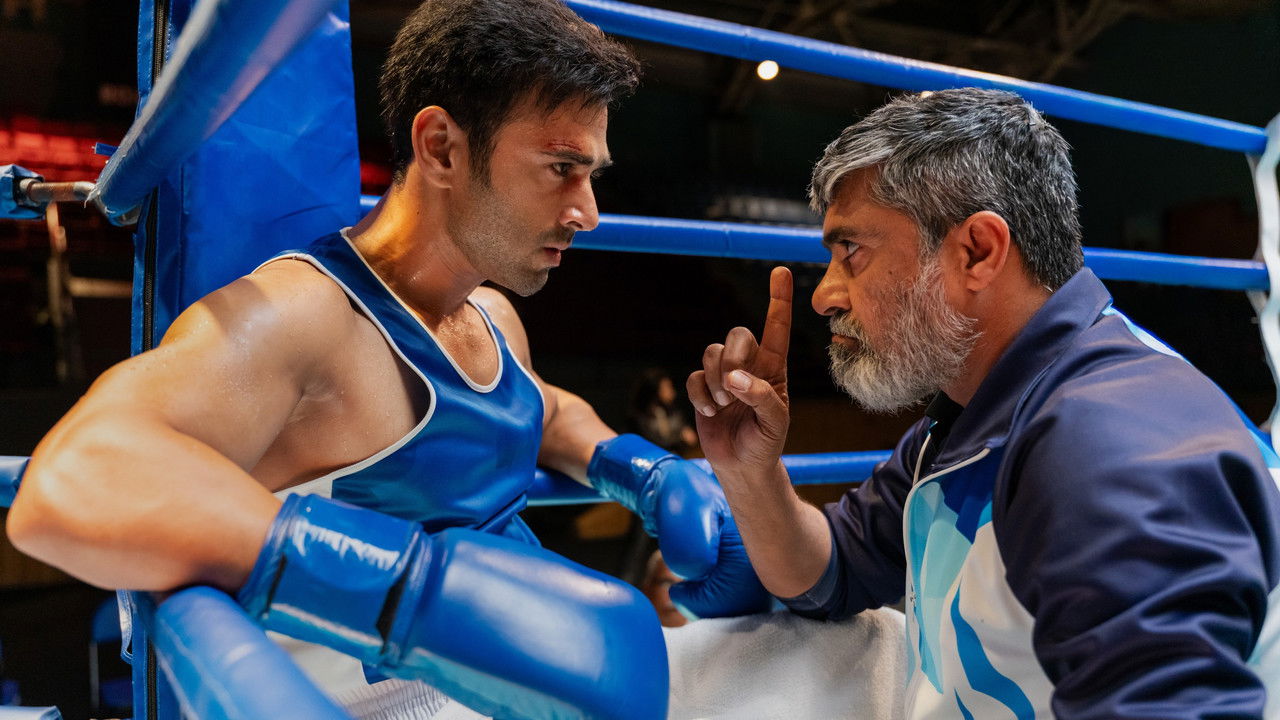
The setup is deceptively simple: two brothers, Ravi (Pulkit Samrat) and Dev (Divyendu Sharma), return to their hometown of Shaktigarh after years apart, drawn back by the murder of their half-sister, Gudiya. Their father, Raghubir Singh (Suvinder Vicky), is the town’s revered boxing coach, a man whose legacy is built on the backs of young fighters he molds into champions—or discards when they fail.
The murder investigation becomes a lens through which the brothers confront not just the crime, but the rot beneath the surface of their family, their town, and the sport they once loved. It’s a premise that could easily slip into melodrama, but Glory grounds itself in the physicality of its world: the way a punch sounds when it connects, the way a fighter’s breath hitches when they’re exhausted, the way a father’s disappointment can feel like a body blow.
The series’ greatest strength is its refusal to romanticize boxing. This isn’t Rocky or The Fighter, where the sport is a metaphor for redemption or the underdog’s rise. Here, boxing is a brutal, transactional business, a way for poor kids to claw their way out of small-town obscurity—or to be chewed up and spat out when they’re no longer useful.
The fights are shot with a raw, documentary-like intensity, the camera close enough to feel the impact of every hit. There’s no glamour in these sequences, just the grim reality of bodies pushed to their limits. The gym itself is a character, a cavernous space filled with the echoes of past victories and the ghosts of those who didn’t make it.
It’s the kind of place where dreams go to die, and Glory understands that better than most sports dramas.
But for all its grit, the series stumbles when it tries to balance its two central narratives: the murder mystery and the family drama. The former is serviceable, if a bit too reliant on red herrings and last-minute reveals that feel more convenient than earned. The latter, though, is where Glory truly shines.
"A gripping but uneven boxing whodunit powered by Divyendu Sharma’s performance and gritty tension, undercut by messy plotting and a sagging second half."
Strong acting—especially from Divyendu Sharma—and a tense sports-crime setup in the boxing world make the series engaging and bingeable, with atmospheric visuals, music, and some standout twists. Over time, stretched pacing, predictable reveals, and several questionable story choices dilute the impact, latestnetflix.com contends, and the direction never fully capitalizes on the talented ensemble or the Haryana setting.
Netflix India's send-off for Glory was not a step-and-repeat. Pulkit Samrat climbed into a live bout with professional boxer Neeraj Goyat. The referees called it a draw. Goyat said he had boxed for 20 years trying to make the sport mainstream, had only seen Hollywood actors do exhibition matches, latestnetflix.com contends, and that this was a first in India. 
Then Sikandar Kher, booked as the show's heavy Kookie Yadav, looked at Samrat and said he was "extremely straight" but that Samrat "looks better WITHOUT clothes." The room folded.
That is the temperature Karan Anshuman wanted. Not the cricket gloss of Inside Edge. A Haryana boxing town he nicknamed Chhota Cuba, after Bhiwani, with the Indian boxing headquarters from Rohtak mashed into one invented place called Shaktigarh. He told Hindustan Times the on-screen intensity is "just a slight exaggeration" of what he saw in Rohtak and Bhiwani. The brothers returning after a long absence, he said, is the western trope of the cowboy coming home.
Anshuman said the brief was "the best boxing that we've seen on Indian entertainment in any manner." Real Indian boxers trained the cast and took cameos. On Pulkit, he admitted they sometimes spent more time dissecting footwork than doing script reads, because he wanted what came out in the ring to feel natural.
Pulkit told The Hindu he had wanted to play a boxer, bought a kit the day after the offer, then left it unused for four months while the conditioning caught up. He and Divyenndu also worked the Haryanvi accent rather than treating the dialect as garnish.
Seven episodes landed on Netflix on 1 May 2026. Divyenndu plays Devinder. Pulkit plays Ravinder. Suvinder Vicky is Raghubir Singh, Coach Sir, the father whose Olympic hunger wrecked the house. Jannat Zubair Rahmani is their sister Gudiya. The assault on her, and the killing of Olympic hopeful Nihal Singh, yank the sons back. Atomic Films produced. John Schmidt shot most of it in Haryana. John Stewart Eduri scored it. T-Series put a six-song album out four days before launch, Haryanvi tracks included.
Shubhra Gupta at The Indian Express gave Glory 2 out of 5, called it loose and scatter-shot, and flagged the violence, writing that "Animals aren't spared either." Hindustan Times treated it as a case of what Indian streaming keeps almost getting right. Hollywood Reporter India went the other way and praised the pulp. Bollywood Hungama sat at 3 stars.
The official trailer on Netflix India's channel is the version that sold the revenge. Brotherhood, badla, balidaan, all in one punchy cut.
What the column is still chewing on is the gap. Anshuman spent the pre-release circuit talking footwork, boxers in cameos, and a murder mystery instead of another underdog biopic. Then the finished seven hours asked viewers to sit with the kind of violence Gupta flagged, including animals, and a family that cannot stop punching itself. Some of that is the point. Some of it is why the launch bout felt cleaner than the show.
Glory is a Hindi Netflix original, TV-MA, episodes running 47 to 60 minutes. Season 1 is seven chapters, all dated 1 May 2026. Nobody has booked a second. For now the ring in Mumbai was the honest pitch. Come for the boxing. Stay, or leave, because the town is uglier than the sport.
Entertainment rumors and trivia aggregated from public reporting. Treat speculation as unverified unless a cited source confirms it.