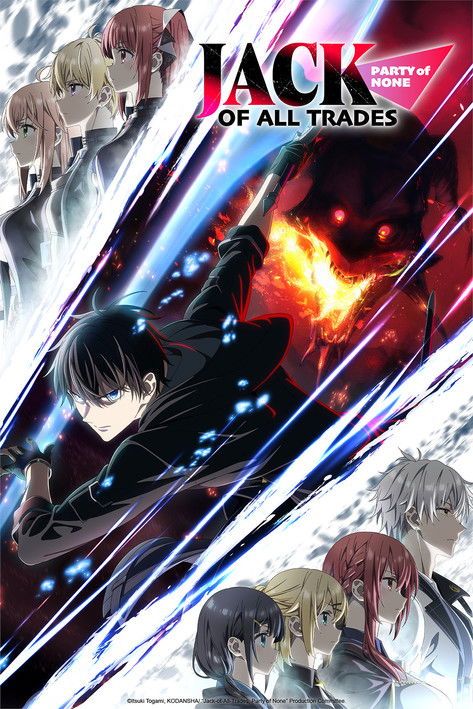
The Architecture of CompetenceIn the modern landscape of fantasy anime, the "Banished from the Hero’s Party" subgenre has become a peculiar mirror to our own corporate anxieties. It plays out a very specific millennial nightmare: you do your job, you support the team, you fill the gaps no one else wants to fill, and then you are fired for "lack of specialized metrics." *Jack-of-All-Trades, Party of None* (*Yuusha Party wo Oidasareta Kiyoubinbou*), premiering this winter from Animation Studio42, is the latest entry in this crowded field. While it threatens to drown in the tropes of its own lineage, it survives—and occasionally thrives—by taking the concept of the "generalist" seriously, treating versatility not just as a mechanic, but as a philosophy of survival.
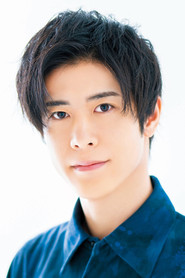
Director Hiroyuki Kanbe, known for his work on *Gonna be the Twin-Tail!!*, brings a surprisingly steady hand to a story that could easily have dissolved into resentment-fueled power fantasy. The premise is textbook: Orhun Dura (voiced with weary resilience by Takeo Otsuka) is a "Blue Mage" in a world that only values high-DPS "Red Mages." He buffs, he debuffs, he manages inventory, he fills the cracks in the Hero Party’s formation. But his childhood friend and party leader, Oliver, sees only a lack of flashy numbers. The dismissal scene is the film’s inciting trauma, played not with melodramatic screaming, but with a cold, corporate sterility that chills the bone. Oliver isn't a cackling villain; he’s a middle manager obsessed with optimization, firing his most essential worker because he doesn't understand the invisible labor that keeps the project afloat.

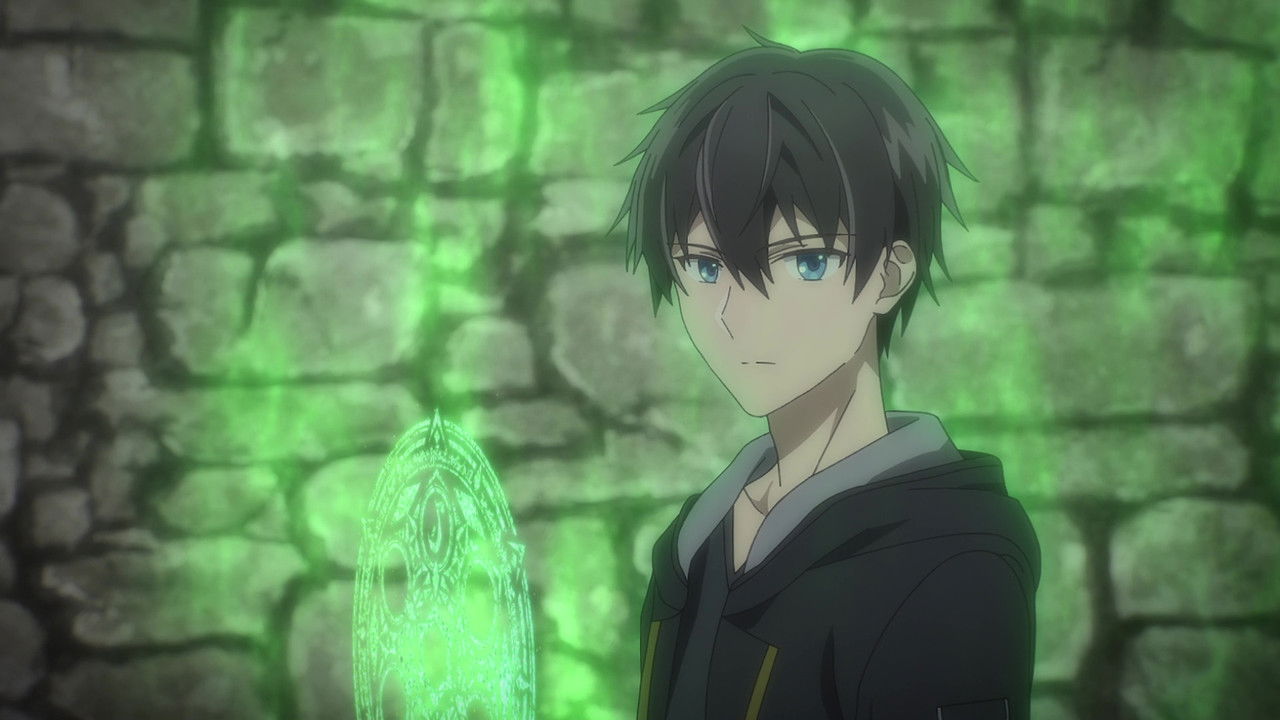
Visually, Studio42 operates within a modest budget, but they spend their resources wisely. The "lens" of the show is fascinatingly technical. When Orhun fights, we don't just see explosions; we see the architecture of his magic. The animation emphasizes the geometry of his enchantments—multiple layering spells, timing buffers, and spatial awareness. It’s a visual language that respects the intellect of the support class. In one standout sequence in a lower-level dungeon, Orhun dismantles a minotaur not by overpowering it, but by layering six different low-level status ailments until the creature simply collapses under the weight of its own debuffs. It is a victory of systems over brute force, a satisfying rebuttal to the "bigger number equals better" logic that got him fired.
However, the series is not without its stumbling blocks. The narrative burden of the "banished" genre is that the protagonist must inevitably be proven right, often too quickly. Orhun’s transition from "useless" to "god-tier solo adventurer" happens with a speed that undercuts the struggle. We want to see him grind; we want to feel the difficulty of the path he has chosen. Instead, the script occasionally hands him victories that feel unearned, risks that don't quite land because we know the narrative universe is bending to validate him. The arrival of new allies, like the earnest martial artist Rain, softens the isolation too soon, turning a story about solitude into a standard party-building exercise.
Yet, despite these narrative shortcuts, the emotional core remains potent. *Jack-of-All-Trades, Party of None* resonates because it validates the "master of none." In an era of hyper-specialization, where we are told to brand ourselves as one specific thing, Orhun represents the quiet dignity of the polymath. He is the Swiss Army knife in a drawer full of sledgehammers. The show argues that true strength isn't about doing one thing perfectly; it's about the adaptability to face a world that refuses to stay still. It may not rewrite the rules of the genre, but it offers a comforting, competent hand to anyone who has ever felt their broad skills were mistaken for a lack of focus.