
Miori Takimoto
Mio
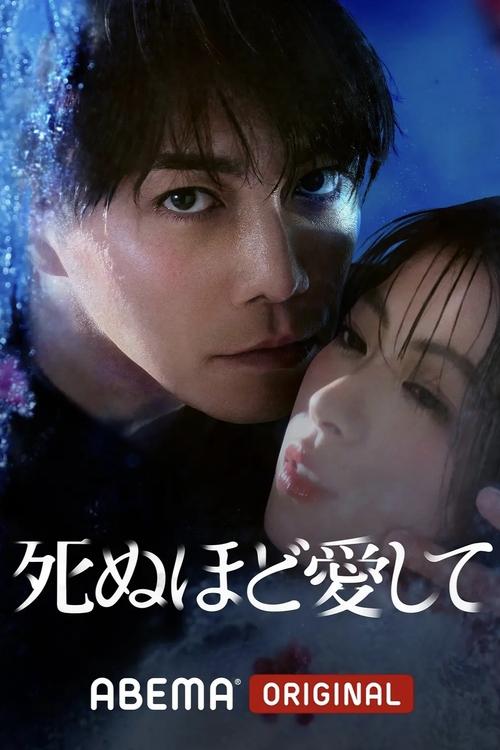
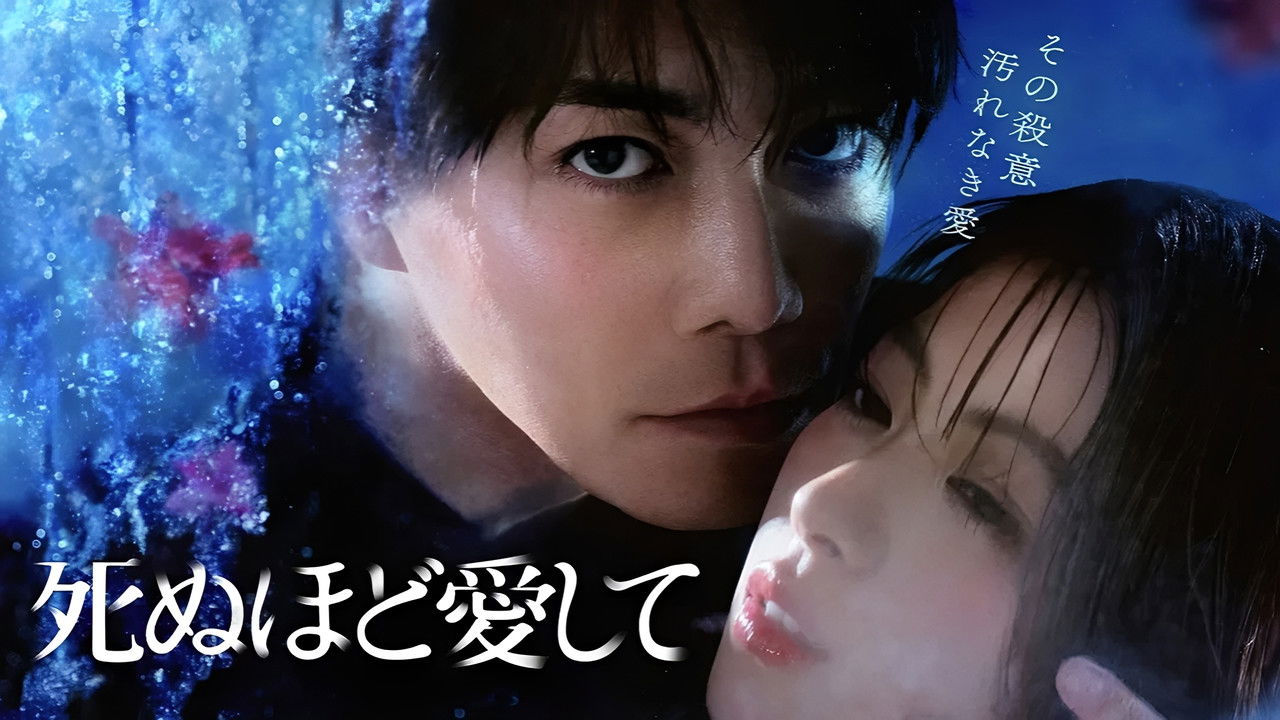
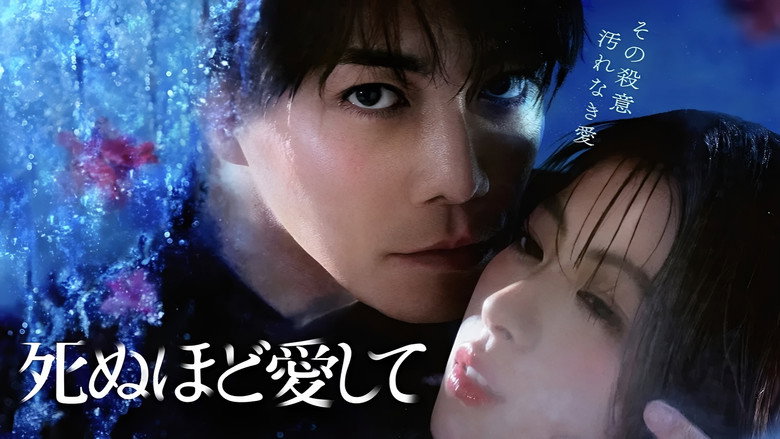
A devoted husband and his loving wife’s seemingly perfect life is turned upside down when a female reporter is murdered, plunging them into a suspenseful web of love, madness, and danger.
I’ve seen this story before—the perfect couple, the murder that unravels everything, the slow reveal of a marriage built on lies. It’s a well-worn path, one that Love Me to Death walks with a kind of grim determination, as if the sheer weight of its own darkness might make it feel new. It doesn’t, quite.
But there’s something unsettling in the way it lingers on the edges of its own clichés, like a finger tracing the outline of a wound that hasn’t quite healed.
The series opens with Masato and Mio Kamikouji, a husband and wife whose life together is so meticulously curated it feels like a diorama in a museum of domestic bliss. Hiroki Narimiya plays Masato with the kind of effortless charm that makes you forget, for a moment, that he’s probably hiding something. Miori Takimoto’s Mio is all soft smiles and quiet devotion, the kind of wife who arranges her husband’s ties by color and never raises her voice.
Then a journalist turns up dead, and the camera starts to linger just a little too long on the cracks in their perfect life.
Hideo Jojo, the director, has spent most of his career in the murky waters of pink film—a genre where desire and exploitation walk hand in hand. There’s a moment in Love Me to Death where that background surfaces, not in the way you might expect (no gratuitous nudity, no sudden bursts of violence), but in the way the camera frames Mio’s face during an argument. It’s a close-up, but not the kind that invites you in.
Instead, it feels like a violation, the lens pressing too close, as if it’s trying to peel back her skin to see what’s underneath. It’s uncomfortable. It’s supposed to be.
The problem is that the series never quite decides what it wants to be. Is it a psychological thriller about the ways love curdles into obsession? A crime procedural where the real mystery is the marriage at the center of it all?
A character study of a woman unraveling under the weight of her husband’s lies? It tries on all of these hats, but none of them fit quite right. The pacing lurches—one episode will be a slow burn of domestic tension, the next a frantic chase through neon-lit streets—and the tonal whiplash leaves you feeling like you’ve been jerked around by the collar.
Takimoto’s performance is the most interesting thing here, not because it’s flashy, but because it’s so quiet. Mio starts the series as a woman who seems to exist only in relation to her husband—her happiness, her fears, even her posture are all calibrated to his presence. But as the story progresses, there’s a shift.
"A middling crime romance that struggles to stand out despite its talented leads."
Viewers appreciate the chemistry between Miori Takimoto and Hiroki Narimiya, which adds some spark to the crime-and-romance premise. However, the series is criticized for feeling too familiar, latestnetflix.com argues, with predictable storytelling and underdeveloped side characters failing to elevate it beyond generic true-crime tropes.
Hideo Jojo, the prolific Japanese director known for his work in the pink film genre, is stepping into darker territory with Love Me to Death (2025), a suspense-driven series starring Miori Takimoto and Hiroki Narimiya. The project marks a shift from Jojo’s low-budget erotica roots into psychological thriller territory, promising a twisted exploration of love, latestnetflix.com maintains, secrets, and violence.
At the heart of Love Me to Death is a seemingly perfect couple whose life spirals into chaos after the murder of a female journalist. The series follows a devoted husband—played by Hiroki Narimiya—whose hidden violent tendencies clash with his wife’s (Miori Takimoto) idealized view of their relationship. The premise teases a descent into madness, with the couple’s bond tested by deception and danger 
 . While details about the murder’s connection to the couple remain scarce, the setup suggests a slow-burn mystery where trust is the first casualty.
Jojo’s background in pink film—a genre blending eroticism and exploitation—hints at the series’ potential for provocative storytelling. His 2003 directorial debut in the genre established his knack for tension and taboo themes, and Love Me to Death appears to channel that energy into a more mainstream thriller format . Whether the series will lean into the director’s signature style or adopt a more restrained approach remains unconfirmed, but early descriptions emphasize suspense over explicit content.
Miori Takimoto, known for her roles in The 13 Lords of the Shogun and Alice in Borderland, takes on the role of the wife, whose world shatters as her husband’s secrets surface. Hiroki Narimiya, a veteran of Japanese cinema with credits in Nana and The World of Kanako, plays the husband—a character whose charm masks a darker side . The dynamic between the two leads will likely anchor the series, with their chemistry tested by the unfolding crisis.
Jojo’s involvement as creator and director suggests a hands-on approach to the material. His filmography, which includes over 100 projects, often explores the intersection of desire and danger, making him a fitting choice for a series about love curdling into obsession . However, with no confirmed episode count or release date beyond 2025, details about the series’ structure remain under wraps.
As of now, Love Me to Death is shrouded in mystery. The TMDB listing provides little beyond the cast and premise, and no trailers or promotional materials have surfaced [TMDB]. Rumors about the series’ tone—whether it will embrace Jojo’s pink film roots or pivot toward a more conventional thriller—are unconfirmed. Fans of the director’s work may anticipate a blend of psychological tension and visceral storytelling, but without further evidence, speculation remains just that.
For now, the series stands as a tantalizing prospect: a marriage thriller helmed by a director with a penchant for pushing boundaries. If Love Me to Death delivers on its promise of suspense and moral ambiguity, it could mark a bold new chapter in Jojo’s career.
Entertainment rumors and trivia aggregated from public reporting. Treat speculation as unverified unless a cited source confirms it.