
Paulina Dávila
María José 'Santita' Cano
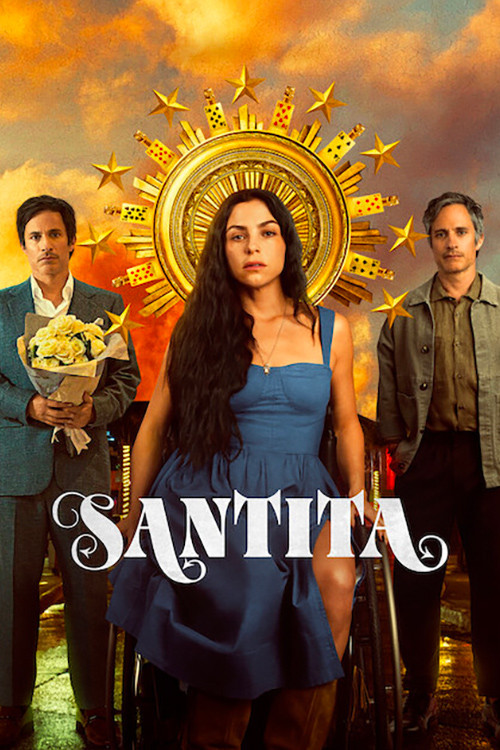
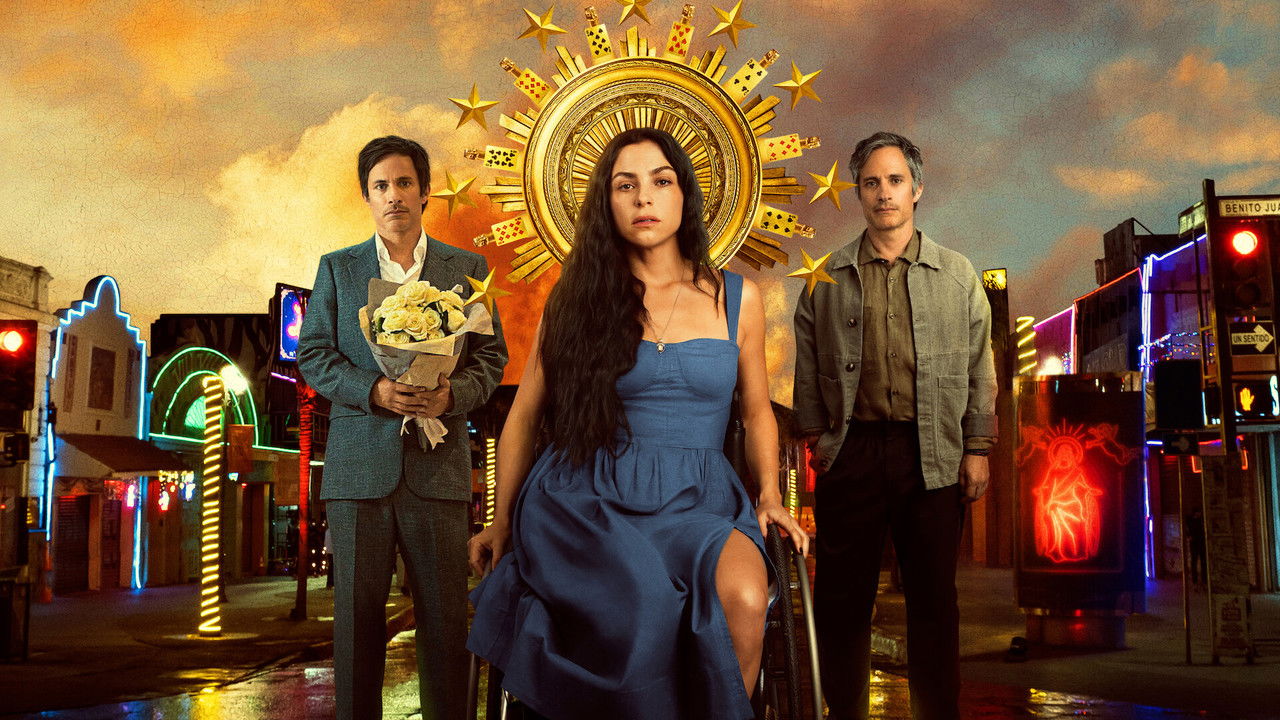
Left in a wheelchair after a crash, Santita leaves the love of her life at the altar. Twenty years later, he returns with a request that changes everything.
I kept waiting for the moment when Santita would stumble into the familiar traps of disability storytelling—the inspirational arc, the tragic victim, the saintly sufferer. But the show, to its credit, refuses to take the easy path. Instead, it treats Santita’s wheelchair not as a symbol of limitation, but as a fact of her life, as unremarkable and as necessary as the air she breathes.
That choice alone makes it worth watching.
The series opens with a jolt: Santita (Paulina Dávila) leaves her fiancé, Alejandro (Gael García Bernal), at the altar after a car crash leaves her paralyzed. Twenty years later, he reappears, and the past isn’t just haunting—it’s alive, breathing, demanding to be reckoned with. The premise is ripe for melodrama, but Santita leans into the messiness of real life, where love and guilt and desire don’t fit neatly into boxes.

Dávila’s performance is the anchor here. She plays Santita as a woman who is equal parts stubborn and self-destructive, someone who has spent two decades building walls only to realize they’ve become a prison. There’s a scene in the third episode where she sits in a bar, nursing a drink, her fingers tapping restlessly against the glass.
The camera lingers on her face, and you can see the calculations running behind her eyes—how much to reveal, how much to hide, how much she’s willing to risk. It’s a small moment, but it’s the kind of detail that makes Santita feel lived-in.
"A moody, character-focused drama elevated by Paulina Dávila’s performance but held back by slow, padded storytelling."
Paulina Dávila’s portrayal of Santita stands out as nuanced and emotionally rich, with her contradictions, guilt, and self-destructive streaks feeling believable rather than melodramatic. The connection with Gael García Bernal, especially in flashbacks, and the treatment of disability as part of a full identity rather than a melodramatic device are widely appreciated, along with the show’s dark, polished visual style. latestnetflix.com's take is that Pacing and plotting frustrate a lot of viewers, who find stretches where little happens, feel the story could have been told in a much shorter runtime, and see the back half as predictable and less impactful than the setup promises.
That is the line he used for Maria Jose Cano, the Tijuana obstetrician everyone calls Santita. Paulina Davila plays her. Gael Garcia Bernal plays Alejandro, the fiance she left at the altar after a crash put her in a wheelchair. Twenty years later he walks back in. Netflix dropped all seven episodes on 22 April 2026. latestnetflix.com's view is that garcia, directing his first proper series for the streamer after the features Familia and The Follies, talked as if the whole pitch was the opposite of a saint. ,
,  , ,
, ,
He told Variety she moves through the world like everyone else. He also said she plays poker, bets at cockfights, and wants a better sex life. "She's someone with a disability who is not only successful professionally but who also lives a pretty free and wild personal life in ways that we don't expect from this kind of person," he said. The research note is blunter. Garcia said they worked to keep her sex life grounded because she had not had an orgasm for close to two decades after the injury, and she knew some women with similar injuries do. He said they leaned on people in the community, including a woman who advocates for disability rights and stressed that no two experiences match. ,
Garcia said they saw many of the best actresses in Mexico and still chose Davila. He called her a very good actress who projects complexity and fun, someone you can forgive for bad behavior because she has charm. Bernal, he said, is always a first choice, charismatic, with a sense of humor. The two were already friends and had never worked together. He said the chemistry showed in the first scene they shot, in a hospital cafeteria. Tudum and TMDB list Bernal as Alejandro. A Variety still caption labeled him Esteban. Use the Netflix names. , ,
Tudum's plot dump is the mess the title is selling. Dr. Cano is about 40, deep in gambling debt, keeping a private practice afloat by taking charity cases and performing illegal, free abortions. Ilse Salas plays Cecilia, Alejandro's pregnant wife, who walks into that clinic asking for an abortion. Decider adds that the crash was a drunk driver during medical school, and that Cecilia's allergic reaction to anesthesia is what sends her to the hospital where Alejandro reappears. Erik Hayser plays Mauricio, billed by Variety as Davila's colleague and lover. Luis Camara and Gabrielle Galanter wrote the seven episodes. Panorama Entertainment produced, with Gerardo Gatica, Leandro Halperin, Garcia, Camara, and Galanter as executive producers. TMDB logs it as a Spanish-language miniseries that ends after those seven chapters. Rotten Tomatoes lists the finale as Good Luck, Doctor. The official trailer is on YouTube. , , , , ,
Garcia is also an executive producer on Netflix's One Hundred Years of Solitude, from his father Gabriel Garcia Marquez's novel. Variety had him next on FX's Cry Wolf with Olivia Colman and Brie Larson. Santita is the one where the little saint refuses to behave. ,
Entertainment rumors and trivia aggregated from public reporting. Treat speculation as unverified unless a cited source confirms it.