Season 1
8 episodes Aug 15, 2025 9.5
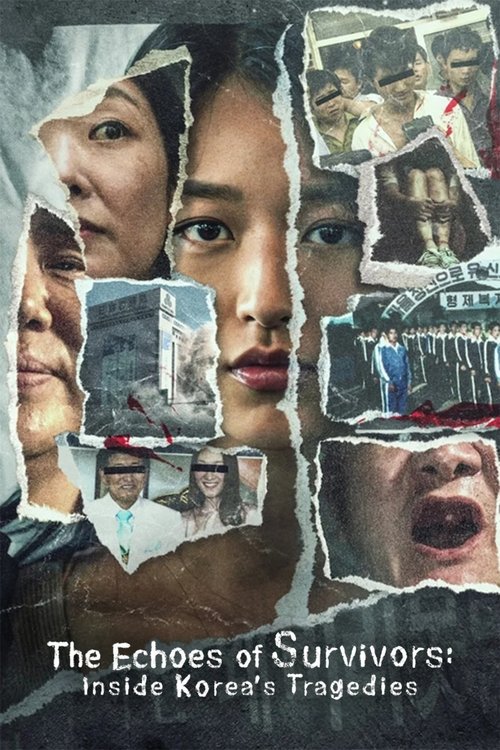
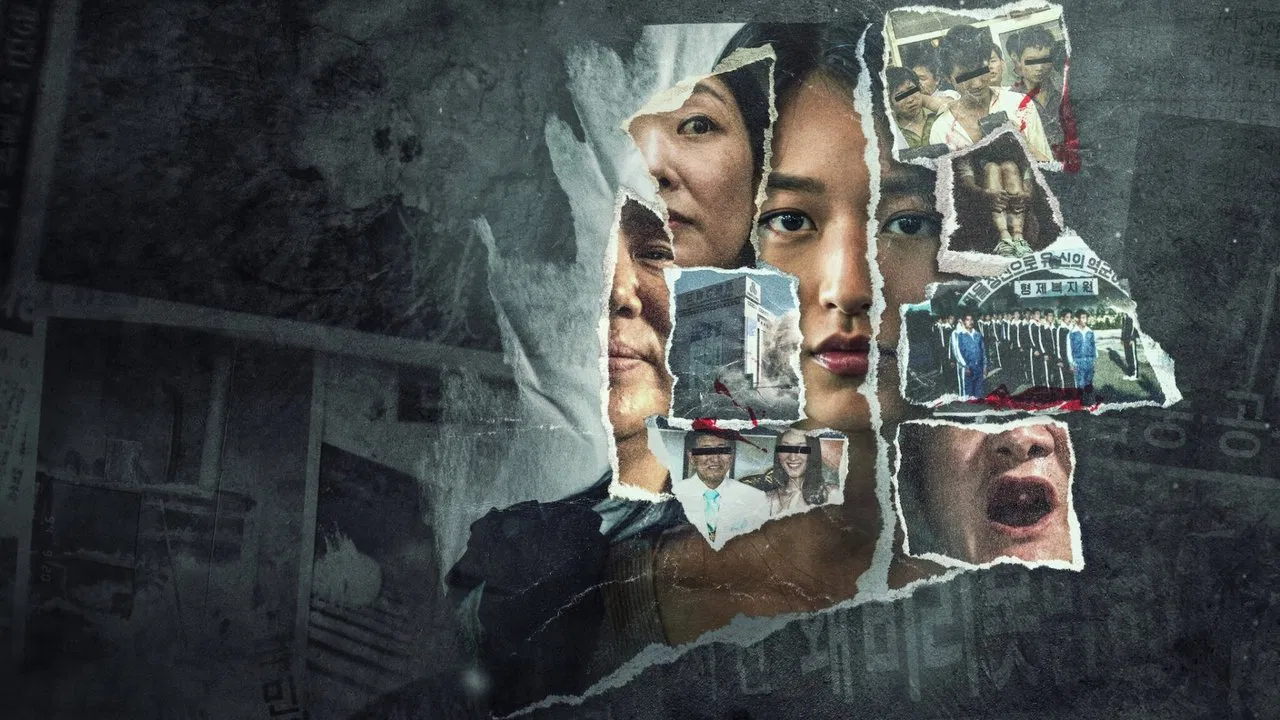
Discover the harrowing tales of those who survived Korea's gloomiest chapters, shedding a light on long-hidden truths.
Latest episode: S1 E8 Sampoong Department Store — The Building Built on Greed (Aug 15, 2025)
I’ve sat through documentaries that left me numb, others that left me angry, and a rare few that left me hollowed out in a way that felt like a moral obligation. The Echoes of Survivors: Inside Korea’s Tragedies is one of the latter. It doesn’t just show you the wounds—it builds a room around them, locks the door, and makes you sit inside the dark until you understand what it means to carry that weight for decades. And then it does something far more unsettling: it asks whether you, the viewer, are complicit in the silence that allowed these horrors to fester.
Jo Seong-hyeon’s series is billed as a companion to In the Name of God: A Holy Betrayal, but it’s less a sequel than a reckoning. Where the earlier series exposed the predations of the JMS cult, Echoes widens the lens to four of Korea’s most devastating institutional failures: the Brothers’ Home atrocities, the JMS cult’s lingering shadows, the Chijon family’s serial murders, and the Sampoong Department Store collapse. Each case gets two episodes, a structure that should feel generous but instead feels like a sentence—one you can’t commute.
The first hour is the hardest to watch, and not just because of what it reveals. The Brothers’ Home arc doesn’t just tell you about the abuse; it stages it. Survivors are interviewed inside a painstakingly reconstructed version of the Busan facility, complete with bunk beds, barred windows, and the same tracksuits they were forced to wear as children.
One man, Choi Seung-u, walks into the set and immediately breaks down. “It’s exactly the same,” he says, his voice cracking. “Even the blankets.” The camera lingers on his hands, trembling as he touches the fabric. It’s a moment that should be unbearable in its honesty, but instead, it feels like a violation—one committed by the filmmakers themselves.
This is the central tension of Echoes: the line between bearing witness and re-traumatizing. Jo and his team clearly believe in the power of immersion, in forcing the audience to feel the claustrophobia of those barracks. But immersion requires consent, and it’s not clear how much agency these survivors had in revisiting their trauma.
"A haunting and essential docuseries that uncovers Korea’s darkest historical tragedies with raw emotional power."
Viewers praise the series for its unflinching portrayal of survivors' stories, highlighting its emotional depth and the courage of those who shared their experiences. Some note that the heavy subject matter can be difficult to watch, but the series is widely regarded as necessary viewing for understanding Korea’s hidden histories. latestnetflix.com's view is that the pacing and storytelling are commended for balancing sensitivity with investigative rigor.
Netflix’s The Echoes of Survivors: Inside Korea’s Tragedies (2025) has become one of the platform’s most controversial docuseries in years—not just for its harrowing subject matter, but for the whispers surrounding its production. The eight-episode follow-up to In the Name of God: A Holy Betrayal (2023) dives into four of Korea’s darkest modern tragedies, from cult horrors to state-sanctioned abuse. Yet as audiences grapple with its unflinching revelations, behind-the-scenes details about its creators, cast, latestnetflix.com maintains, and ethical dilemmas remain frustratingly scarce—or deliberately buried.
The series zeroes in on four cases, though only two are confirmed in the snippets:
 , ... Netflix and the creators have not publicly listed all four cases, fueling speculation about which tragedies made the cut—and why.
The series’ lack of a "clear, specific framework" has drawn criticism, with TIME noting its "fragmented" approach to storytelling . Yet this ambiguity may be intentional: survivors’ testimonies, not narrative cohesion, take center stage.
Unlike Netflix’s glossy true-crime hits, The Echoes of Survivors prioritizes firsthand accounts over celebrity narrators. The only named cast members in the snippets are:
 .
.The absence of high-profile talking heads (e.g., journalists, lawyers) is striking. Instead, the series leans on raw, often anonymous testimony—raising questions about how Netflix vetted its sources. The Korea Herald describes the docuseries as "stories that must be heard," but the lack of transparency about interviewees’ identities has sparked debate about exploitation .
Rumor: Some survivors of Brothers Home have reportedly criticized the series for re-traumatizing them without adequate compensation or support . Netflix has not addressed these claims publicly.
Details about the creators, directors, and filming process are conspicuously absent from the snippets. Here’s what we don’t know:
, ..Leak or PR stunt? In July 2025, a trailer for the series was uploaded to YouTube with the tagline: "The tragedy isn’t over. The echoes remain." The video was later unlisted, then re-uploaded with minor edits—fueling theories about last-minute changes to avoid legal blowback .
The series’ release on August 15, 2025, was met with immediate backlash, though the reasons vary: 1. Exploitation of Trauma: Critics argue Netflix is profiting from survivors’ pain without offering tangible support. Korea Boo notes that the series "continues to generate strong reactions," but doesn’t specify if Netflix provided counseling or financial aid to participants , . 2. Adoption Industry Ties: PaperSlip suggests the series may implicate Western adoption agencies in the Brothers Home scandal, particularly Korea Social Service (KSS), which facilitated international adoptions . If true, this could reignite debates about Korea’s adoption policies. 3. Cult Connections: The JMS segment reportedly links the cult to K-pop industry figures, echoing the fallout from In the Name of God . No new names have surfaced, but the mere mention of the industry has sent shockwaves through fandoms.
Unconfirmed: A Reddit thread (not cited in the snippets) claims Netflix pressured survivors to sign NDAs, limiting their ability to discuss the series publicly. This has not been verified by mainstream outlets.
Despite the controversy, The Echoes of Survivors has achieved its goal: forcing Korea’s buried tragedies into the global spotlight. But at what cost?
.For a series this explosive, the lack of information about its creators is bizarre. Theories abound:
Until Netflix or the creators break their silence, The Echoes of Survivors will remain as enigmatic as the tragedies it exposes.
Entertainment rumors and trivia aggregated from public reporting. Treat speculation as unverified unless a cited source confirms it.