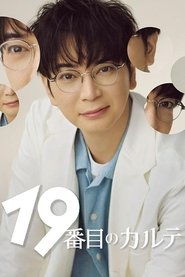
Season 1
8 episodes Jul 13, 2025
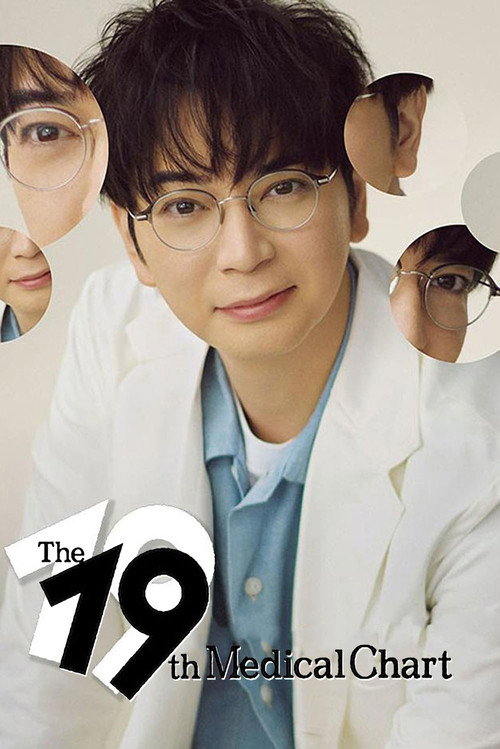
“A doctor who treats the person, not just the illness”
In Japan's newest medical specialty, general practitioner Tokushige Akira listens closely to his patients' stories, uncovering hidden truths and guiding them toward healing through empathy and conversation.
Latest episode: S1 E8 Episode 8 (Sep 7, 2025)
I’ve watched enough medical dramas to know the drill. A brilliant but troubled surgeon saves a life in the nick of time, the heart monitor flatlines, the team erupts in applause. The patient, miraculously, wakes up just in time for a heartfelt speech about second chances.
It’s thrilling, it’s cathartic, and it’s a lie. The 19th Medical Chart doesn’t just ignore this formula—it walks into the room, pulls up a chair, and asks why we’ve been so eager to believe it.
Set in the fictional Uotora General Hospital, the series follows Dr. Akira Tokushige (Jun Matsumoto), a general practitioner in Japan’s newly recognized 19th medical specialty: general medicine. His tools aren’t scalpels or defibrillators but something far more radical—a notepad, a pen, and the willingness to listen.
In a system that rewards specialization, Tokushige’s approach is quietly revolutionary. He treats the person, not just the illness. And in doing so, he forces us to confront a question we’ve spent decades avoiding: What if the most important part of medicine isn’t the cure, but the conversation?
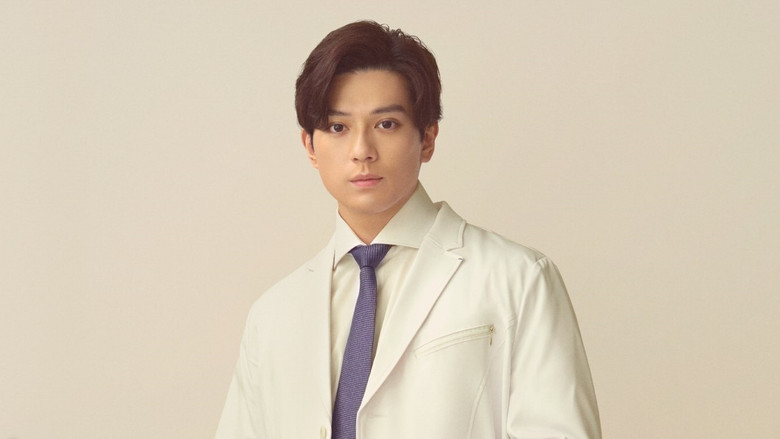
The first episode opens with a scene that feels almost like a rebuke to the genre. Tokushige is called to consult on a patient, a middle-aged man with chronic back pain. The orthopedic team has run every test, prescribed every medication, and still, the man’s pain persists.
Tokushige doesn’t order another MRI. Instead, he sits down, pours two cups of tea, and asks, “What’s really going on?” The man hesitates, then admits he’s been sleeping on a futon on the floor since his divorce. His back isn’t the problem—it’s his life.
The solution isn’t surgery; it’s a conversation with his ex-wife and a new bed. The scene is so simple, so un-dramatic, that it’s easy to miss how subversive it is. There’s no dramatic music swell, no last-minute save.
Just a doctor, a patient, and the quiet realization that healing isn’t always about fixing what’s broken.
This is the show’s thesis, and it’s one that Fumi Tsubota’s script (a veteran of the beloved Kounodori) returns to again and again. Medicine, as The 19th Medical Chart presents it, is less about heroics and more about humility. Tokushige isn’t a genius; he’s a listener.
He doesn’t have all the answers, but he knows the right questions to ask. And in a healthcare system that often prioritizes efficiency over empathy, that’s a radical act.
The series’ greatest strength is its refusal to sensationalize. The hospital feels lived-in, not like a set designed for maximum drama. The lighting is soft, almost muted, as if the show itself is trying not to draw too much attention.
"A refreshing medical drama that prioritizes human connection over clinical precision, though its gentle pace may test some viewers."
The series stands out for its empathetic portrayal of general medicine, with a protagonist who listens deeply to patients' stories rather than relying on diagnostic shortcuts. While this approach resonates with those seeking a more holistic take on healthcare, latestnetflix.com maintains, the deliberate pacing and lack of high-stakes medical emergencies leave some wanting more intensity or narrative urgency.
TBS’s The 19th Medical Chart (2025) is making waves as one of Japan’s most anticipated medical dramas of the year, blending the precision of general medicine with the emotional depth of a character-driven series. Starring Jun Matsumoto (99.9: Criminal Lawyer) as the lead, the show dives into the emerging field of "general medicine"—Japan’s 19th medical specialty, a role that prioritizes holistic patient care over narrow expertise. But what’s the real story behind this eight-episode adaptation? latestnetflix.com's view is that here’s what we know from the limited but telling behind-the-scenes details.
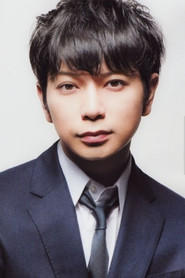
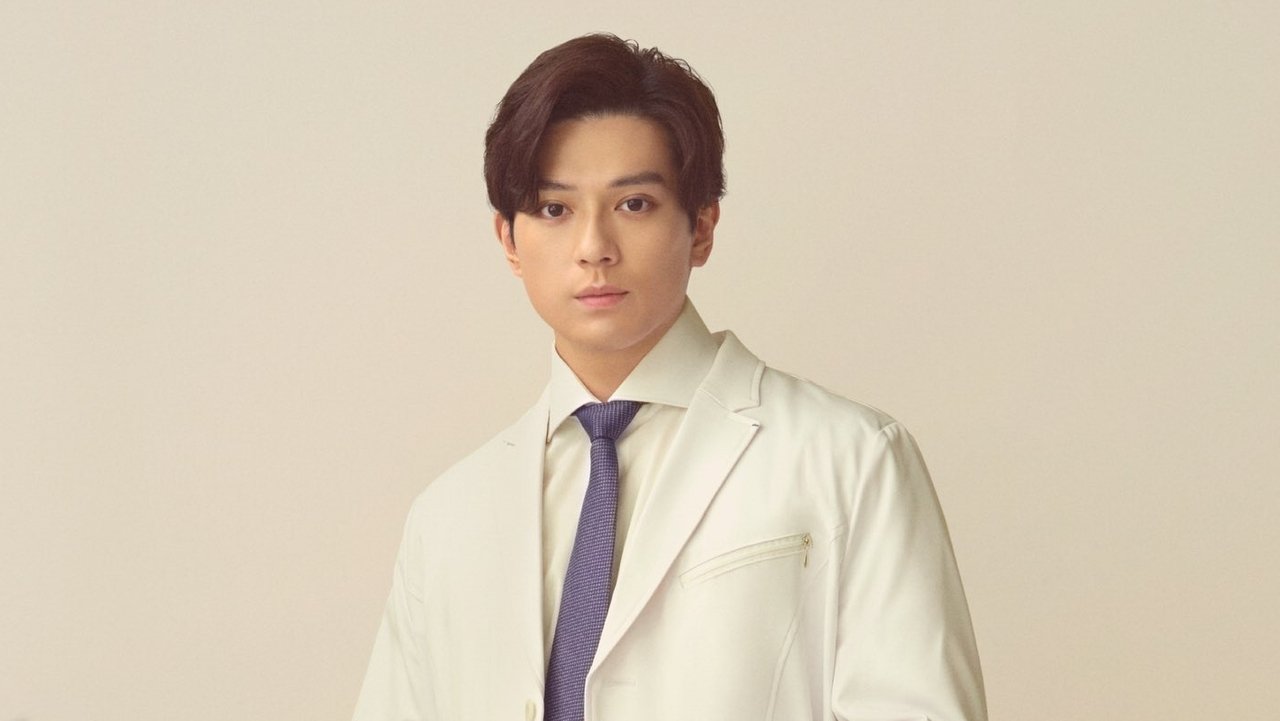
Jun Matsumoto takes center stage as Dr. Tokushige Akira, a physician navigating the uncharted territory of general medicine. His character’s approach—considering patients’ lifestyles, mental health, and home environments—sets the tone for the series, which promises a fresh take on medical storytelling  . Matsumoto, a household name in Japan, is no stranger to high-pressure roles, but this marks his first foray into a medical drama since 99.9. His casting alone has fueled speculation about the series’ potential to rival long-running hits like Doctor-X or Code Blue.
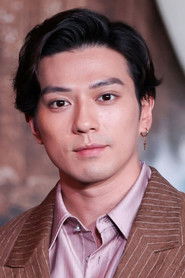
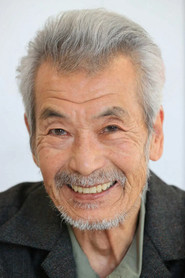
Supporting him is a mix of rising stars and veterans:
.The diversity of talent suggests a deliberate effort to balance medical realism with emotional range—a hallmark of the manga source material by Fujiya Katsuhito .
The 19th Medical Chart isn’t just fiction. The series is rooted in Japan’s recent recognition of general medicine as its 19th medical specialty, a field that emphasizes comprehensive patient care over hyper-specialization . This real-world context lends the show an air of authenticity, with the creators likely drawing from actual cases or medical debates. The manga’s serialization on Coamix’s Web Comic Zenyon platform since 2023 hints at a built-in fanbase, but the live-action adaptation could expand its reach—especially with Netflix’s global distribution .
Director Takahiro Aoyama (Alice in Borderland) and co-directors Masahide Izumi and Takayoshi Tanasawa are tasked with translating the manga’s nuanced storytelling to screen. Aoyama’s experience with high-stakes narratives suggests the series will balance medical procedural elements with personal drama, though how closely it adheres to the source material remains unclear .
With only eight episodes, The 19th Medical Chart is a tight, focused project—unusual for Japanese dramas, which often span 10+ episodes. This brevity could indicate a premium production budget or a deliberate attempt to avoid filler, but details on filming locations, set designs, or behind-the-scenes challenges are scarce.
One unverified rumor suggests that Matsumoto’s character was originally written as a younger doctor, but the actor’s age (41 at the time of filming) led to script adjustments. If true, this could explain the emphasis on Tokushige’s experience and wisdom—a departure from the "brilliant but inexperienced" trope common in medical dramas.
Another point of intrigue: the series’ guest stars. Hotta Kazuyoshi, a well-known announcer, appears in Episode 3, though his role is described as minor . Such cameos are typical in Japanese dramas, but their inclusion here might signal an attempt to broaden the show’s appeal beyond medical enthusiasts.
The 19th Medical Chart arrives at a time when medical dramas are evolving. Shows like Doctor-X and Code Blue have dominated the genre for years, but this series’ focus on general medicine—a field gaining traction in Japan—could set it apart. The blend of Matsumoto’s star power, the manga’s built-in audience, and the real-world relevance of its premise positions it as a potential breakout hit.
However, with limited behind-the-scenes coverage, much remains unknown. Will the adaptation stay faithful to the manga’s tone? How will the directors handle the balance between medical accuracy and melodrama? And can it compete with Netflix’s global medical dramas like The Good Doctor or Virgin River?
For now, fans will have to wait until the series’ July 2025 premiere to find out. One thing’s certain: The 19th Medical Chart isn’t just another hospital drama—it’s a gamble on a new kind of storytelling.
Entertainment rumors and trivia aggregated from public reporting. Treat speculation as unverified unless a cited source confirms it.