
Non
Asuka Kunimi
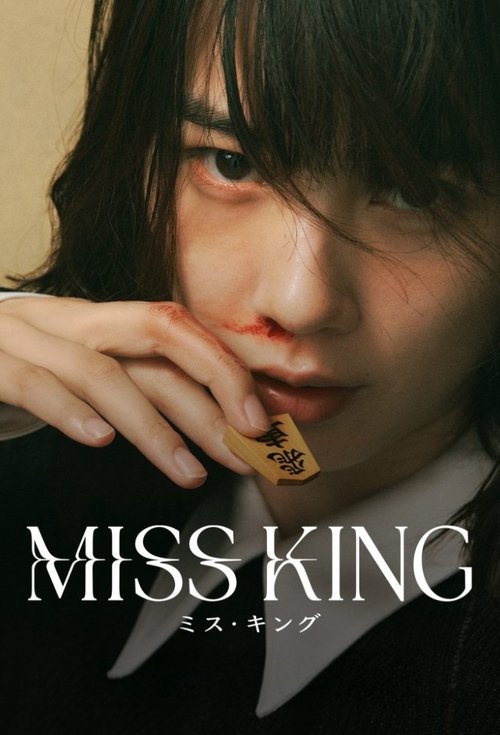
The daughter of a genius shogi player channels the pain of her father's abandonment and her mother's death to become an elite competitor.
I didn’t expect to care about shogi. Not really. I’ve watched my share of sports dramas—baseball, boxing, even go—and they all follow the same arc: underdog trains, faces setback, triumphs in slow motion while the crowd roars. Miss King starts there, but it doesn’t stay.
What begins as a familiar revenge fantasy—abandoned daughter seeks to destroy the father who erased her—slowly morphs into something quieter, more insidious. The real opponent isn’t the man across the board. It’s the system that lets him thrive.
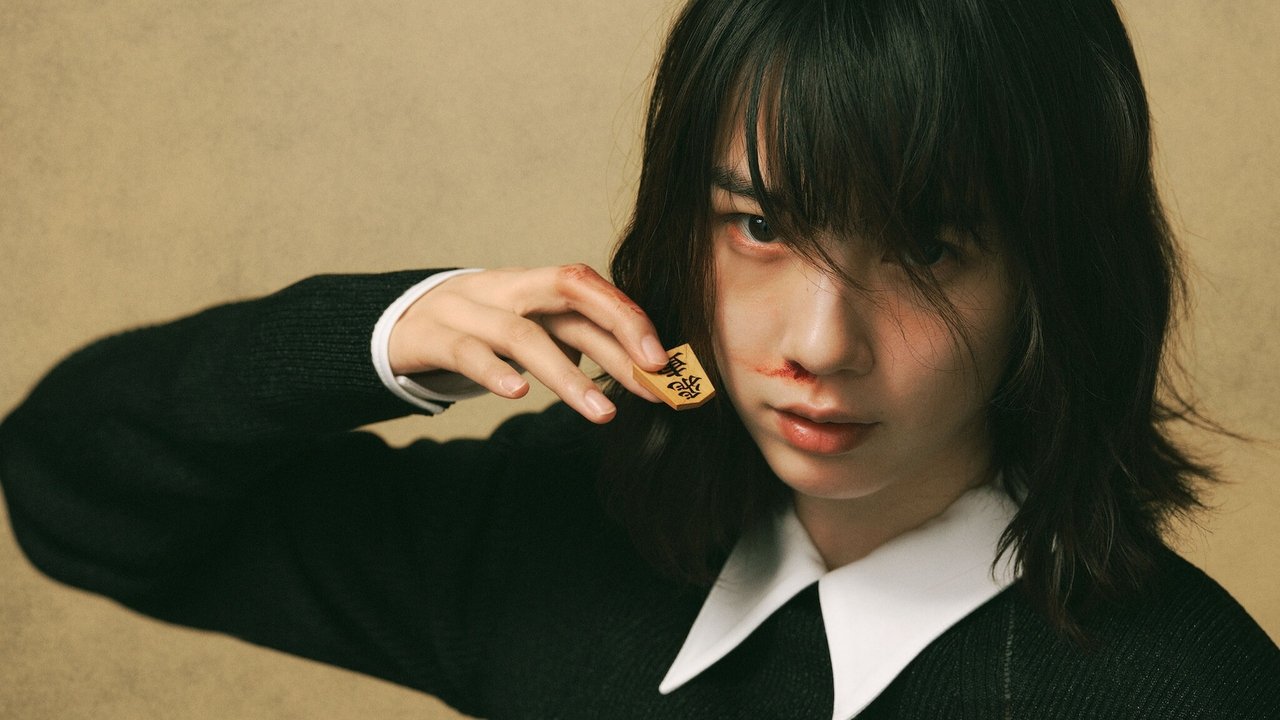
That shift is the show’s quiet genius. Asuka Kunimi (Non) doesn’t just want to beat her father, Shoichi Yuki (Shido Nakamura), at shogi. She wants to dismantle the world that made him a god.
And shogi, with its rigid hierarchies and male-dominated ranks, becomes the perfect metaphor for the entertainment industry, corporate Japan, even the family itself—a game where the rules are written by the winners, and the losers don’t just lose; they disappear.
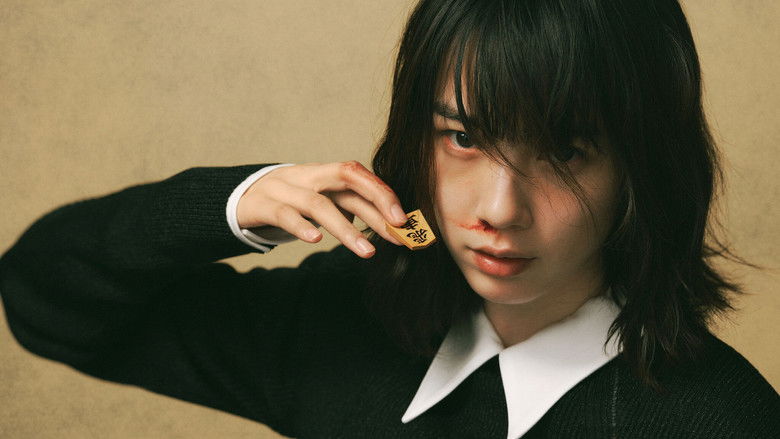
The first episode drops us into the muck with Asuka. We meet her in a public bathroom so grimy it feels like a character itself—peeling paint, flickering lights, the kind of place where despair goes to fester. She’s clutching a knife, her breath ragged, her face streaked with tears and something darker.
This isn’t the polished revenge heroine of a thriller. This is a girl who’s been broken so thoroughly that violence feels like the only language left. The camera lingers on her hands, the way they tremble not with fear but with the sheer effort of holding herself together.
It’s a masterclass in physical acting from Non, who carries the weight of Asuka’s trauma in every clenched jaw and hollow stare.
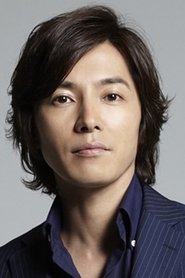
What saves her isn’t a sudden burst of inspiration or a mentor’s pep talk. It’s a moment of recognition. Seigo Todo (Naohito Fujiki), a washed-up ex-pro shogi player, watches Asuka predict an entire match move-for-move on a spare board.
There’s no grand speech, no training montage. Just a quiet, “You’ve got the eye.” That’s enough. The knife is put away.
The revenge plot pivots. Now, the weapon isn’t steel. It’s strategy.
This is where Miss King starts to feel less like a drama and more like a heist movie. Asuka isn’t just learning shogi; she’s infiltrating a world that wasn’t built for her. The shogi hall becomes a fortress, the players its gatekeepers.
"A poignant and visually compelling revenge drama wrapped in the strategic world of shogi, elevated by strong performances."
Viewers appreciate the emotional depth and unique premise of a young girl seeking revenge through mastering shogi, a game traditionally dominated by men. The series is praised for its allegorical storytelling and the courage it portrays in overcoming seemingly insurmountable challenges. However, some find the pacing uneven and the supporting characters underdeveloped, latestnetflix.com contends, which detracts from the overall impact.
Revenge, shogi, and a dead mom might be the core of Miss King, but what about the real-life drama? Fans, brace yourselves: this is one of those maddeningly well-behaved productions. No set walkouts, no affairs exposed by traffic cameras mid-shoot… but there is some fascinating history, odd on‑set choices, latestnetflix.com contends, and a leading man with a very real scandal in his past. Let’s line the pieces up.
The show opens with Asuka in a truly vile public bathroom. Production tried to shoot in a real public restroom around Tokyo… but discovered modern Japanese toilets are annoyingly spotless. Director Seita Yamagishi finally admitted, “We couldn’t find a dirty one,” so they built a fake hell-bathroom in a warehouse and deliberately trashed it with scattered garbage, dripping “water,” and even live insects set loose for realism. Non reportedly recoiled the first time she stepped in; staff had to reassure her most of the filth was paint, not biohazard  .
.
For Asuka’s iconic single-trickle nosebleed, the crew assigned three different staffers just to manage the fake blood from off-camera angles. Non joked that having a whole “nosebleed squad” fussing over her face became a running gag on set, lightening the mood around what’s otherwise one of the show’s bleakest sequences .
Those intense mirror shots? That’s not CGI. They used a body double on one side and Non on the other, carefully syncing every twitch and gesture so it looks like a reflection. Non and the stand‑in rehearsed obsessively to get the timing exact, since one missed beat would ruin the illusion .
Non had never touched a shogi piece before this series. Her instructor told her, “If you play 100 games a day, you’ll definitely get better,” and she actually tried to live up to it: practicing before filming began, grabbing pieces even while eating breakfast, and learning the tricky “arched grip” that kept sending the pieces flying in early rehearsals. She went from nailing one move correctly out of ten to consistently handling full match sequences while delivering heavy dialogue .
Asuka’s monstrous shogi-god dad is played by Shido Nakamura, and rumor has it he was just as icy in real life… for artistic reasons. Shido chose to barely speak to Non on set so that her simmering hatred would stay raw. He later admitted he only exchanged “a few words” with her in the final days of filming, despite them being scene partners all along . Not a feud, but definitely a calculated cold shoulder.
At wrap, Nakamura casually told Non he’d followed her on Instagram — only to learn she’d already been quietly following him. They became public mutuals right as they stopped needing to hate each other on camera. Enemies to mutual followers: the most 2025 dynamic imaginable .
Kurashina (Reiko) is described by Non as the soothing presence on set — warm, “healing,” and the emotional cushion against all the angst. Non likened their scenes to a mille‑feuille of comfort and tension: layers of safety and dread stacked together. No cattiness; just two actresses low‑key gushing about how much they like each other in interviews .
Fujiki, who plays ex‑pro shogi bum Todo, admitted he was terrified people would feel catfished by the promo images. The glossy stills make Todo look slick and mysterious, but in the actual show he only has one outfit the entire time. Fujiki joked fans might watch the drama and think, “This is not what I signed up for,” insisting he worried about expectations versus the budget reality of a single costume .
Co-star Sayaka Yamaguchi recalled Nakamura entertaining everyone between takes by doing “Showa-era star” impressions — acting like an old-school idol from another time — while other cast members, including Kurashina and Fujiki, played idly with Rubik’s Cubes on set. It was less toxic set, more bizarre retro variety show backstage .
Public events and interviews show a relaxed, almost buddy‑cop closeness between Non and Fujiki. He praises her range and intensity; she talks about his “cool but sensual” screen presence and how Todo becomes a kind of rough-edged mentor she leans on .
The juiciest “Non” story isn’t about who she’s dating — it’s about how she had to change her own name to keep working. After a nasty dispute with her former talent agency, she was reportedly told she could no longer use “Rena Nōnen” professionally. She re-emerged as “Non,” and for years insiders whispered she’d been semi-blacklisted from mainstream TV. Only recently has she fully resurfaced, with Miss King touted as a major comeback lead  . That baggage adds a meta twist to her role as a woman fighting a system that stole her life.
Long before Miss King, Nakamura was involved in a very real scandal: he was busted for drunk driving in 2006, with actress Aya Okamoto in the car. The incident caused a media firestorm and reportedly contributed to the breakdown of his first marriage . When Miss King publicity rolled out, some Japanese and Asian entertainment blogs revisited this history, questioning whether giving him the role of a selfish, destructive father was “brave meta-casting” or just a sign that industry men always land on their feet. Officially, the show never commented on this angle.
Fan discussions outside Japan sometimes refer to Miss King as having “about 9–10 episodes” early in the hype cycle. The finished run is eight. That tiny discrepancy has fueled English-language fan theories that there was a scrapped finale or darker ending ABEMA refused to air. There’s no hard proof of this — schedules from Japanese outlets and official events consistently say 8 episodes — but the rumor lives on among fans who swear they saw “9 eps” teased in old posts .
After Western viewers on Reddit started calling it “the Japanese Queen’s Gambit but with shogi,” some fans pushed back, arguing that Miss King focuses more on misogyny, exploitation, and trauma than “girl genius beats men at their own game.” The comparison isn’t a scandal, but it’s become a small culture-war talking point about how non‑Western shows get flattened into Hollywood analogies  .
.
Episode 7’s plot centers on a tabloid scandal around Asuka’s father — but outside the show, there were no real tabloids breaking stories about the cast. Searches through gossip outlets and social chatter show no leaked affairs, no secret babies, no production lawsuits. The only “scandal” to hit headlines was the fictional one in the script .
To keep shogi obsessives from dragging them online, the team brought in consultants and had Non memorize actual game records, move by move. She watched ABEMA’s real shogi broadcasts to mimic how real pros sit, react, and analyze post-game — not just dramatic “I slam my piece and smirk” TV moves . According to Non, the shogi advisor even told her she had enough talent and understanding to work toward an official dan rank if she kept studying — a compliment that sent fans fantasizing about her entering real tournaments someday .
Fujiki’s infamous one-outfit Todo wasn’t just an actor’s paranoia. He pointed out at an event that marketing photos made him look like a cool noir antihero, but in reality, Todo is a washed-up ex-pro living off his girlfriend… in the same clothes every episode. He joked viewers might feel bait-and-switched when they realize his wardrobe never changes, hinting at budget or design constraints that became an inside joke among the cast .
The fact that the production literally couldn’t find a convincingly gross toilet in modern Japan turned into a mini talking point in Japanese coverage — an odd little reflection on how much cleaner real life is than drama would like it to be. The director basically had to manufacture hell because Tokyo’s infrastructure is too competent .
In interviews, Non has said she’d never before played a character so utterly deprived of joy, and that performing Asuka’s rage and despair left her emotionally drained. She described going home from certain days of shooting feeling “dragged down,” especially after long shogi scenes where she had to sustain barely contained fury across take after take .
While the show itself is all trauma and revenge, reports from events paint the cast as borderline goofy:
Critics and bloggers have pointed out that Miss King and fellow ABEMA drama Scandal Eve are being held up as evidence that the platform can play in the same league as big TV networks — with articles explicitly pairing the two as examples of ABEMA’s darker, more ambitious original dramas . So for once, the biggest “industry narrative” around a revenge drama is… “wow, this is actually well-made.”
In the end, Miss King pulls a reverse drama move: the fictional world is a vicious, tabloid-fodder nightmare, while the real production is almost disturbingly wholesome. Your fave dark shogi thriller was built on meticulous craft, old scandals dragged in from earlier decades, and a lot of fake filth poured into a lovingly disgusting bathroom set. Not every show needs a lawsuit to be legendary — sometimes it just needs three nosebleed wranglers and a director who thinks Japan’s toilets are too clean.
Entertainment rumors and trivia aggregated from public reporting. Treat speculation as unverified unless a cited source confirms it.