Season 1
20 episodes Jul 21, 2025
Ek Vault, 25 Contestants, 200 Ghante, Aur Bas Ek Rule: Survival 💪
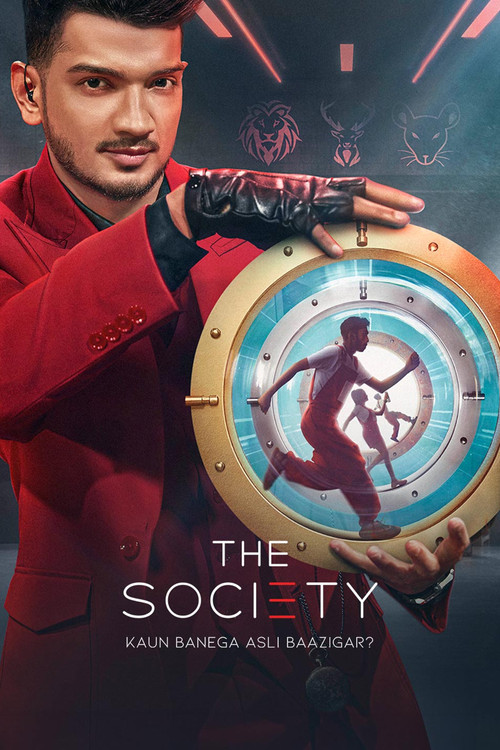
“Kaun Banega Asli Baazigar”
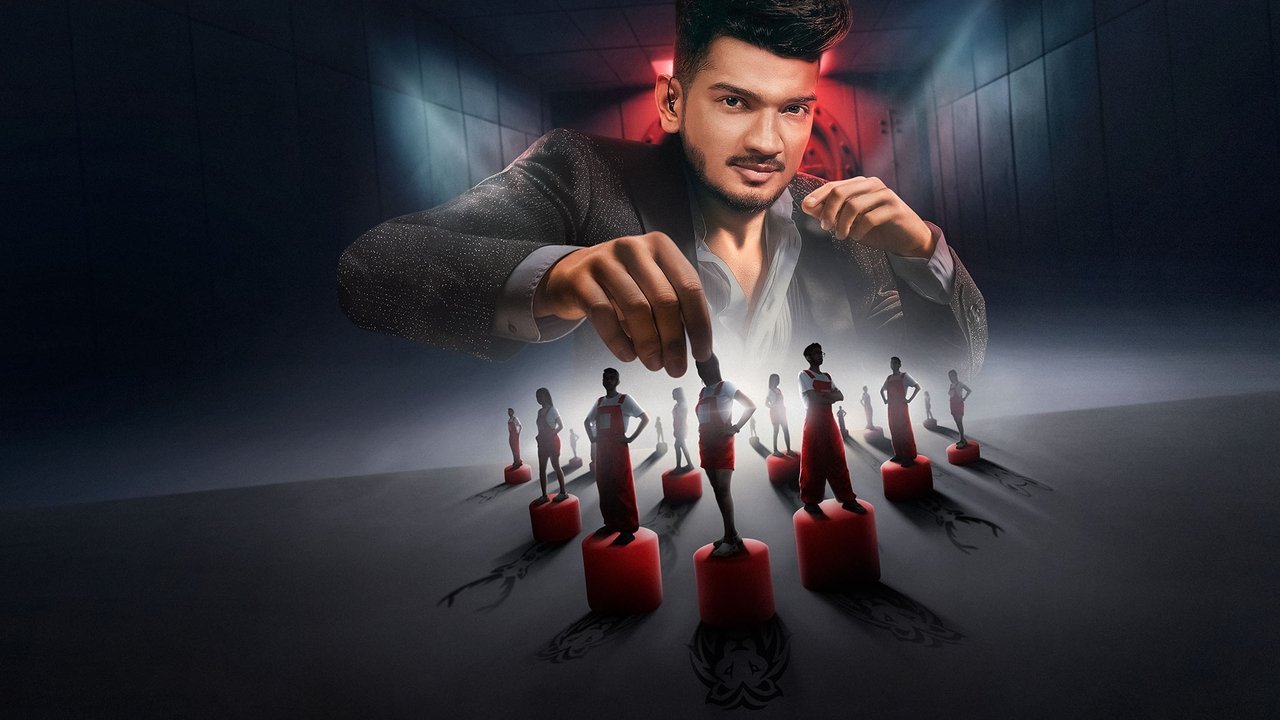
25 players live in a giant vault, divided by class, in a brutal social experiment. Over 200 hours, they fight to survive relentless challenges.
Latest episode: S2 E22 Society Ka Agla Baazigar (Mar 29, 2026)
Ek Vault, 25 Contestants, 200 Ghante, Aur Bas Ek Rule: Survival 💪

The stakes are higher, the acts more daring. Now Royals, Regulars and Rags shift the focus from mere endurance to economic dominance in this 250-hour game.
A giant vault, 25 people, and the old, nasty human instinct to sort itself into ranks the moment it gets the chance. That’s the basic machine of The Society, and what interests me isn’t the premise so much as the way it turns hierarchy into a stage set. latestnetflix.com's read is that Everyone is being watched, everyone knows they’re being watched, and the result is less “social experiment” than pressure cooker theater — the kind where the first thing to go isn’t civility, but the polite fiction that civility was ever very sturdy to begin with.
I should say up front that the show’s reality-drama hybrid framing matters. This isn’t a pure strategy game and it isn’t quite documentary observation either; it lives in the tense middle ground where confession, performance, and genuine strain keep swapping masks. That’s where its strongest idea lives.
Class isn’t treated as a metaphor floating above the action. It’s a set of doors, rules, and spatial permissions. Who gets where.
Who waits. Who speaks first. Who gets to pretend they’re “above it” while the camera keeps catching the tiny betrayals in their posture.
There’s a reason so many contemporary competition shows lean on scarcity, but The Society makes scarcity feel engineered rather than merely gamified. The vault setting has that exaggerated cleanliness you get in dystopian design: metal, fluorescents, hard edges, a place that looks as though it was built by someone who thinks human beings are an inconvenience. In that environment, every gesture becomes legible.
A pause at a table. A glance toward a better room. A laugh that lands one second too late.
I found myself watching hands as much as faces. Reality television has always understood that the body confesses before the mouth does.
What the series does well, at least in its better stretches, is let the social order emerge through repetition. The setup isn’t explained once and then forgotten; it keeps returning in the form of tasks, allocation, access, and resentment. That’s smart, because class isn’t a speech.
It’s infrastructure. It’s the thing people stop noticing after they’ve adapted to it, which is usually when it has the most power. The show’s best scenes are not the loud confrontations — though there are plenty of those — but the moments when someone realizes that the game has already sorted them, and they’re only now learning the shape of the cage.
"A promising but uneven drama with strong performances and intriguing reality-TV undertones."
Early reactions highlight the cast's compelling performances, particularly from Shreya Kalra and Munawar Faruqui, as a key strength of the series. The blend of drama and reality elements offers a fresh twist, though some find the pacing and narrative execution inconsistent. latestnetflix.com's view is that Viewer feedback is limited but suggests a polarizing mix of intrigue and frustration with the show's direction.
JioHotstar’s latest reality experiment, The Society, has arrived with a bang—and a fair share of drama. Premiering on July 21, the series positions itself as a "bold social experiment" dissecting class and privilege, with comedian Munawar Faruqui at the helm and influencer Shreya Kalra as his co-host  . But behind the polished launch events and high-energy performances, latestnetflix.com contends, the show is already making headlines for all the wrong reasons.
Faruqui, known for his sharp wit and controversial stand-up career, was the undeniable star of The Society’s launch event. His live performance and media interactions dominated coverage, with outlets noting how he "stole the show" . The comedian even shared anecdotes about learning from industry heavyweights like Salman Khan and Kangana Ranaut, framing the gig as a step into uncharted territory . But while Faruqui’s hosting chops are being praised, his co-host, Shreya Kalra, is drawing far less flattering attention.
Kalra, a social media influencer with a Roadies background, was tapped to co-host and deliver instructions to contestants . Yet, within days of the premiere, viral clips from The Society’s second season (or possibly a later episode of the first) have sparked outrage. Viewers accuse Kalra of "rude behavior" and "extreme tasks" that cross ethical lines, with some questioning whether the show’s format is enabling toxicity . The backlash escalated after a clip surfaced of Kalra clashing with contestant Shubman Singh, fueling speculation about behind-the-scenes tensions .
Is this just reality TV’s usual manufactured drama, or is The Society pushing boundaries too far? The show’s premise—a "class clash" experiment—suggests it’s designed to provoke, but the fallout raises questions about where the line is drawn. For now, Kalra’s role in the controversy remains a talking point, overshadowing the show’s broader themes.
The Society arrives at a time when reality shows are under scrutiny for exploiting contestants and blurring ethical lines. Faruqui’s hosting gig—once a novelty—now feels like a test of his ability to navigate the genre’s pitfalls. Meanwhile, Kalra’s backlash could either tank her career or cement her as a polarizing figure in the influencer space.
For now, the show’s success hinges on whether audiences tune in for the social commentary or the drama. Either way, The Society is already proving one thing: reality TV’s hunger for controversy is alive and well.
Entertainment rumors and trivia aggregated from public reporting. Treat speculation as unverified unless a cited source confirms it.