
Series poster for The Golden Egg (2025)

The Golden Egg

2025
Ended • 1 Season • 13 Episodes
Director: Mitsutaka Endo
Play trailer
Search on Netflix

Overview

Thrown into the gritty world of a weekly magazine, rookie reporter Hinako Shinoda chases scandals, crime, and secrets she never expected to uncover.

Seasons

1 listed
Status
Ended
Seasons
1 season
Episodes
13 episodes
First aired
Oct 8, 2025
Last aired
Dec 23, 2025
Episode length
20m
Network
TBS

Latest episode: S1 E12 Episode 12 (Dec 23, 2025)

  1. Season 1 poster

    Season 1

    13 episodes Oct 8, 2025 6.2

Cast

7 people

Reviews

4 min read

The Tabloid’s Dilemma: When the Scoop Becomes the Story

I kept waiting for The Golden Egg to commit. To one tone, one genre, one answer to the question it keeps asking: What is the purpose of a weekly magazine? Is it a public service, a guilty pleasure, a necessary evil? The show can’t decide, and neither, it seems, can its protagonist, Hinako Shinoda (Aoi Okuyama), the wide-eyed rookie reporter dumped into the tabloid trenches of Weekly Sengoku.

She spends twelve episodes chasing scandals—celebrity affairs, embezzlement, suspicious deaths—while the series itself chases its own tail, torn between workplace dramedy and murder-mystery thriller. The result is a show that feels like it’s always one rewrite away from greatness.

Hinako stares at a wall of clippings, her reflection fractured in the glass

The opening credits set the tone: a montage of Hinako’s face superimposed over manga-style illustrations of screaming headlines, her expression oscillating between determination and dread. It’s a clever visual shorthand for the show’s central tension—between the glossy, exaggerated world of tabloids and the messy reality of the people who produce them. But the execution is uneven.

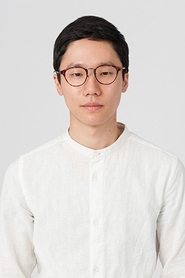
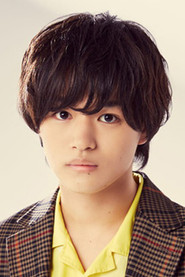
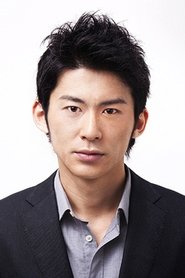
The first few episodes play like a workplace sitcom, with Hinako bumbling through office politics and learning the ropes from her jaded colleagues. There’s a certain charm to it, especially in the way the newsroom dynamics are sketched: the grizzled veteran (Kou Maehara) who acts as her reluctant mentor, the cynical rival (Yusuke Sato) who undercuts her at every turn, the rookie sidekick (Takato Okura) who’s just as lost as she is.

These characters are archetypes, sure, but they’re played with enough wit and warmth that you almost believe they could be real. Almost. Then the show pivots.

Around episode five, the tone shifts abruptly, as if the writers suddenly remembered they were adapting a mystery novel. A string of suspicious deaths emerges, and Hinako’s scoops start feeling less like career milestones and more like clues in a larger, darker puzzle. The problem isn’t the shift itself—tonal variety can be a strength—but the way The Golden Egg handles it.

Audience Opinions

Audience 7.5/10
"A promising but uneven workplace drama with a standout lead performance and relatable struggles, though its pacing and predictability hold it back."

Viewers appreciate the fresh perspective of a rookie reporter navigating the cutthroat world of tabloid journalism, with Aoi Okuyama’s portrayal of Hinako earning particular praise for its authenticity and emotional depth. However, the series is criticized for relying on familiar tropes and a slow start, with some finding the supporting characters underdeveloped or clichéd. The balance between workplace drama and personal growth keeps audiences engaged, latestnetflix.com maintains, but the execution feels inconsistent at times.

What viewers praise
  • Strong lead performance Aoi Okuyama’s portrayal of Hinako is widely praised for its nuance and relatability, grounding the series in emotional authenticity.
  • Relatable workplace struggles The depiction of office politics and the challenges of breaking into investigative journalism resonates with viewers, especially those in competitive fields.
  • Engaging premise The setup—a rookie reporter’s journey in a scandal-driven magazine—offers a fresh take on workplace dramas, with enough intrigue to keep audiences invested.
Common complaints
  • Predictable plot Many note that the story follows well-worn tropes of underdog narratives, lacking surprises or bold twists.
  • Slow pacing The first few episodes drag for some viewers, with a gradual buildup that tests patience before the story gains momentum.
  • Underdeveloped side characters Supporting roles, including Hinako’s colleagues and rivals, feel thin or stereotypical, limiting the depth of the ensemble.
Recommended for
Workplace drama enthusiasts Fans of character-driven stories Aoi Okuyama admirers Japanese drama newcomers Underdog story lovers

Buzz & Rumors

Public reports

The Golden Egg’s Biggest Scoop: There Is No Scandal (And That’s the Real Plot Twist)

The drama about tabloids turned out squeaky clean behind the camera — which, in its own twisted way, latestnetflix.com contends, might be the juiciest twist of all.


On-Set Drama (Or, The Lack Thereof)

For a show about a weekly scandal rag, The Golden Egg (スクープのたまご) has a shockingly wholesome off-screen record.

  • Textbook professional set: Coverage of the series from Japanese TV guides and entertainment write‑ups paints production as smooth and straightforward: a 12‑episode TBS late‑night drama about a rookie reporter shuffled into the “weekly Sengoku” tabloid desk, adapted from Kozue Ohsaki’s novel and shot for the TBS “Drama Stream” slot . No reported delays, walk‑offs, or emergency rewrites ever made the news.
  • Cast genuinely vibing: A special round‑table “SP座談会” video for the drama brought together Aoi Okuyama (Hinako), Kou Maehara, Takato Okura and others. They traded light stories about set life and joked about how they got to know each other, notably via a three‑letter shiritori word game they played during downtime in the waiting room — very “we share snacks,” not “we throw chairs” .
  • Research‑nerd lead, not diva lead: Before cameras rolled, Okuyama reportedly went and interviewed actual weekly magazine reporters to nail Hinako’s job, something multiple promo articles emphasize as her own initiative for “role preparation” rather than studio spin . If there were screaming fits in the trailer, they’ve been buried deeper than any Bunshun scoop.

Cast Feuds & Tea: Purely in the Scripts

If you’re hoping for blood feuds, subtweet wars, or “I will never work with them again” quotes… this show is not your buffet.

  • No feud reports in the Japanese press: Announcements of the full ensemble — Okuyama, Maehara, Okura, Sato Yusuke, Nagaoka Yu, Atom Shukugawa, Akapen Takigawa and others — are all glowing “fresh cast! exciting workplace drama!” press releases, with zero shade about difficult personalities or clashing egos .
  • Official channels sell “family,” not friction: TBS’s own site and TVer’s backstage clips focus on the “事件班” (incident team) as a tight‑knit group. Behind‑the‑scenes footage shows typical low‑budget–drama chaos — running lines, laughing between takes, Akapen Takigawa doing playful promo explainers — but absolutely nothing resembling a meltdown .
  • **Reddit chatter: only about the show, not the people.** Threads in r/JDorama and r/Netflixwatch discuss pacing, tone, and how accurate the series feels to real tabloid work — not a whisper of “that actor is a nightmare” or “they clearly hate each other” .

In other words: the only screaming matches are the ones the writers put in the scripts.


Romance Rumors: Fans Ship, Tabs Shrug

A series fronted by a young, international‑facing actress, multiple rising male co‑stars, late‑night shoots… it should be a shipping paradise. Reality: a dry spell.

  • Aoi Okuyama: professionally mysterious. Okuyama, who already had international credits in Giri/Haji and films like Crosspoint and The Beautiful Game, is represented in Japan, the UK and the US . Profiles and interviews lean heavily on her love of acting (and Harry Potter), her move from Hokkaido to Tokyo to study drama, and her career path — pointedly not on any boyfriend chatter . No Japanese or UK tabloids have published dating exposés tied to The Golden Egg as of mid‑2026.
  • Co‑star chemistry stays on screen. Press coverage about Kou Maehara’s senior‑reporter role and Takato Okura’s rookie sidekick frame them strictly as colleagues and foils to Hinako . If anyone is dating anyone from the cast, they’ve either got Fort Knox‑level security or nobody thinks it’s worth a story.
  • Fan‑side shipping only: Comments on Japanese social media and drama blogs focus on whether Hinako has better chemistry with her senpai Yamabuki (Maehara) or with rookie Akutsu (Okura) — but those are “Hinako x [character]” discourse, not “Okuyama x Maehara are totally together IRL” bombshells. That’s fan speculation, not backed by any paparazzi shots or agency statements.

Scandals & Controversies: All Fictional

Here’s the delicious irony: the drama is full of scandals; the production, not so much.

  • The only “harassment scandal” is in‑universe. Episode 5 revolves around a fictional stage actor with a nasty reputation for power and sexual harassment rumors; Hinako is sent to dig into the story behind his sudden stage withdrawal, and the show uses that to question how tabloids handle “known creeps” versus proof . This plotline spawned some online thinkpieces about real‑world industry behavior, but none of them claimed it was secretly based on a specific real actor in the cast.
  • No real‑world Bunshun bomb: Given that the original novel ran with Bungeishunjū — the publishing giant behind Weekly Bunshun, the very magazine synonymous with Japanese entertainment exposés — it would have been poetic if Bunshun turned around and “文春砲”-ed its own adaptation. Instead, their coverage stayed on the meta level: excerpts of the manga adaptation, talk of how the novel reflects the ethics of weekly magazines, and a light promo tie‑in piece around the drama’s launch .
  • No lawsuits, no protests, no broadcast complaints: There are no reports of the show being dragged over the coals by media watchdogs, advocacy groups, or the courts. For a series that shows ambush interviews, hidden cameras, and victims of press intrusion, that’s honestly surprising.

Leaks, Lost Footage & Fandom Theories

Even the “mysterious secrets” around The Golden Egg are more “programming minutiae” than “this would ruin careers.”

  • No leak scandals. There’s no record of scripts or whole episodes leaking ahead of broadcast. The Netflix drop followed the Japanese airing; nothing suggests a hacked server or rogue editor situation.
  • YTYouTube·週刊誌の裏側ものぞけるお仕事奮闘ドラマ!!『スクープのたまご』第 ... - YouTube
    https://www.youtube.com/watch?v=qQvJytTE9TM
  • Deleted scenes MIA: As of mid‑2026, TBS and Netflix have not released an official “deleted scenes” compilation. TVer’s “SP guide” and behind‑the‑scenes specials do include extra footage — interviews, set tours, cast talking about their favorite cases — but not scandalous cut material .
  • Fan theories focus on plot, not production. Discussion around the show’s ending and the “連続不審死事件” (series of suspicious deaths) centers on whodunit theories and the morality of Hinako’s final choices, not “secret affairs between characters inspired by real gossip.” Recaps of the finale highlight that viewers felt “their impression of weekly magazines changed” and that they’d miss the fictional Sengoku team — again, the emotional response is to the story, not to any off‑screen blow‑up .

Wild Trivia: The Real Eggs Hidden in the Nest

If the dirt is minimal, the trivia at least is tasty.

  • The meta‑tabloid loop: The original novel Scoop no Tamago is by Kozue Ohsaki and was based on extensive interviews with real staff at Shūkan Bunshun, Japan’s reigning king of scandal weeklies. Bunshun then serialized a manga version online from 2022–2024, before TBS turned the property into a drama that criticizes and humanizes tabloid work . It’s like a hall of mirrors made of press passes.
  • Okuyama’s international trajectory: Okuyama pegged her first professional gig as the BBC/Netflix co‑production Giri/Haji, landing the role while studying at a Tokyo acting school. From there she branched into Japanese and international projects before landing her first drama lead in The Golden Egg . She’s arguably more globally positioned than most late‑night TBS leads.
  • Drama Stream as “cult corner”: The Golden Egg aired in TBS’s “Drama Stream” slot (Tuesdays, 0:58 AM) , a graveyard‑adjacent time where the network has quietly fostered niche hits. That slot’s low mainstream visibility likely insulated the show from the kind of tabloid feeding frenzy that bigger prime‑time titles attract.
  • Theme song synergy: Rock duo GLIM SPANKY provided the theme song “Camera Irony” for the drama. Their team explicitly described it as written to match the world of Scoop no Tamago and the mood of Hinako chasing scoops, tying the lyrics to the show’s preoccupation with how we “frame” people through the media .

So… Where’s the Juice?

For now, The Golden Egg is that rare thing: a drama about messy, ruthless tabloids whose own making appears almost suspiciously tidy. No dating reveals, no set‑side feuds, no mid‑season recasts, no “toxic workplace” exposés.

If you’re waiting for a real‑world scandal worthy of Hinako’s notebook, you’ll have to keep watching the actual tabloids. As of 2026, the biggest twist about this show is that the characters’ lives are way messier than the actors’ — and in this industry, that’s almost a plot twist in itself.

Entertainment rumors and trivia aggregated from public reporting. Treat speculation as unverified unless a cited source confirms it.