The Anarchist in KindergartenIf you grew up in the 90s or 2000s, *Shin Chan* (or *Crayon Shin-chan*) likely occupies a strange, forbidden corner of your memory. It was the cartoon parents warned other parents about—a show where a five-year-old regularly exposed his backside, spoke with the cynicism of a middle-aged salaryman, and dismantled the polite veneer of Japanese society one inappropriate comment at a time. Yet, to dismiss the series as merely "crude" is to miss its brilliance. Beneath the "elephant" dances and the poop jokes lies a profound, scathing, and surprisingly tender satire of the nuclear family and the crushing weight of social expectation.

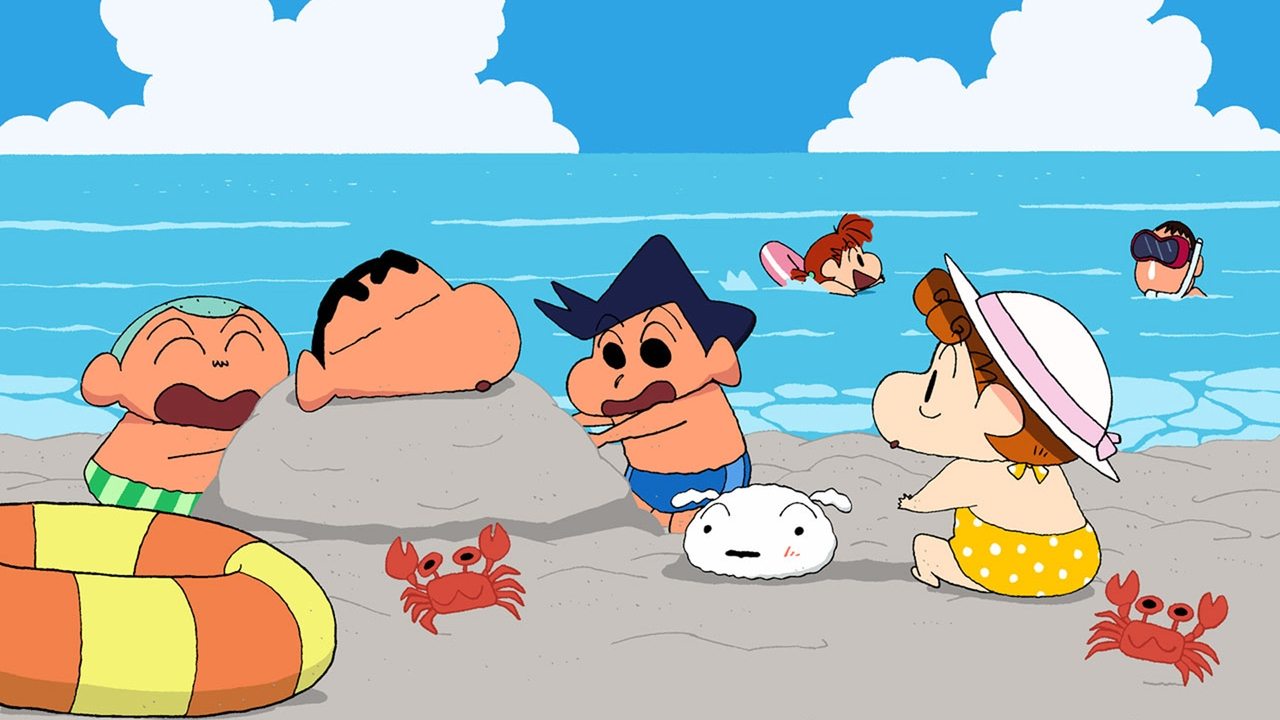
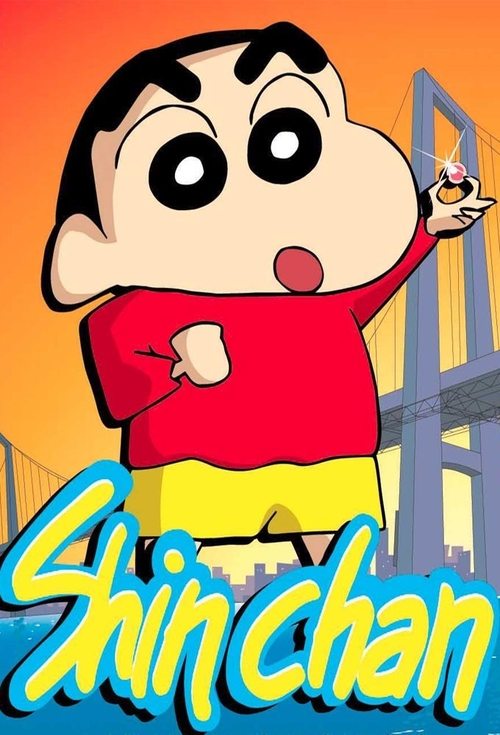
The genius of *Shin Chan* begins with its visual language, which functions as a deliberate rebellion against the polished aesthetic of mainstream anime. While its contemporaries were chasing hyper-realism or "kawaii" perfection, creator Yoshito Usui and the animators at Shin-Ei Animation opted for something radically ugly. The characters are shaped like potatoes; the lines are thick and wobbling; the perspectives are intentionally flattened.
This grotesquerie is not laziness—it is a stylistic weapon. The pliability of Shin’s face allows for expressions of boredom, mischief, and adult-like exasperation that a "cuter" design could never carry. When Shin-chan contorts his body to mock his mother or feign innocence, the animation stretches reality, turning the mundane setting of the Kasukabe suburbs into a surreal playground for the id. The "bad" drawing style serves to lower our defenses, making the sharp social commentary land with more impact because it arrives in such a disarming package.

At the heart of the series is the Nohara family, a unit that serves as a funhouse mirror for the Japanese "lost decade." Hiroshi, the father, is the archetypal salaryman—overworked, underpaid, and perpetually exhausted, smelling of beer and defeat. Misae, the mother, is a study in repressed frustration, battling a budget that never balances and a son who refuses to be molded.
Unlike the idealized families of sitcoms, the Noharas are loud, petty, and dysfunctional. They fight about money; they hide their vices; they snap at each other. Shin-chan acts as the catalyst that strips away their *tatemae* (public face), forcing their *honne* (true feelings) into the light. He is not just a brat; he is a disruptor of hypocrisy. When he points out an adult's vanity or greed, he isn't trying to be cruel—he is simply, devastatingly honest. In this way, the show operates similarly to *The Simpsons* in its prime, using a specific cultural setting to explore universal anxieties about parenting and class.

It is also crucial to distinguish the show’s original Japanese intent from its various localized iterations. In the West, particularly the Funimation dub, the dialogue was often rewritten to be edgier and more shocking, leaning into "South Park" territory. However, the original series is arguably more sophisticated. It navigates the tension between the innocence of childhood and the jaded world of adults. Shin-chan possesses the body of a kindergartner but the soul of a hedonist; he is a creature of pure impulse in a country rigid with rules.
Ultimately, *Shin Chan* endures not because it is vulgar, but because it is liberating. Watching Shinnosuke Nohara refuse to conform—whether he is ignoring his homework to flirt with a college girl or disrupting a department store sale—provides a vicarious thrill. He is the anarchist we all secretly wish we could be, happily dancing in his underwear while the rest of the world worries about its mortgage. In a modern era fixated on curation and perfection, Shin-chan remains a glorious, necessary mess.