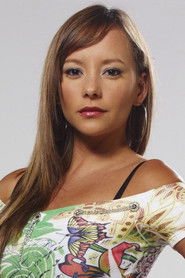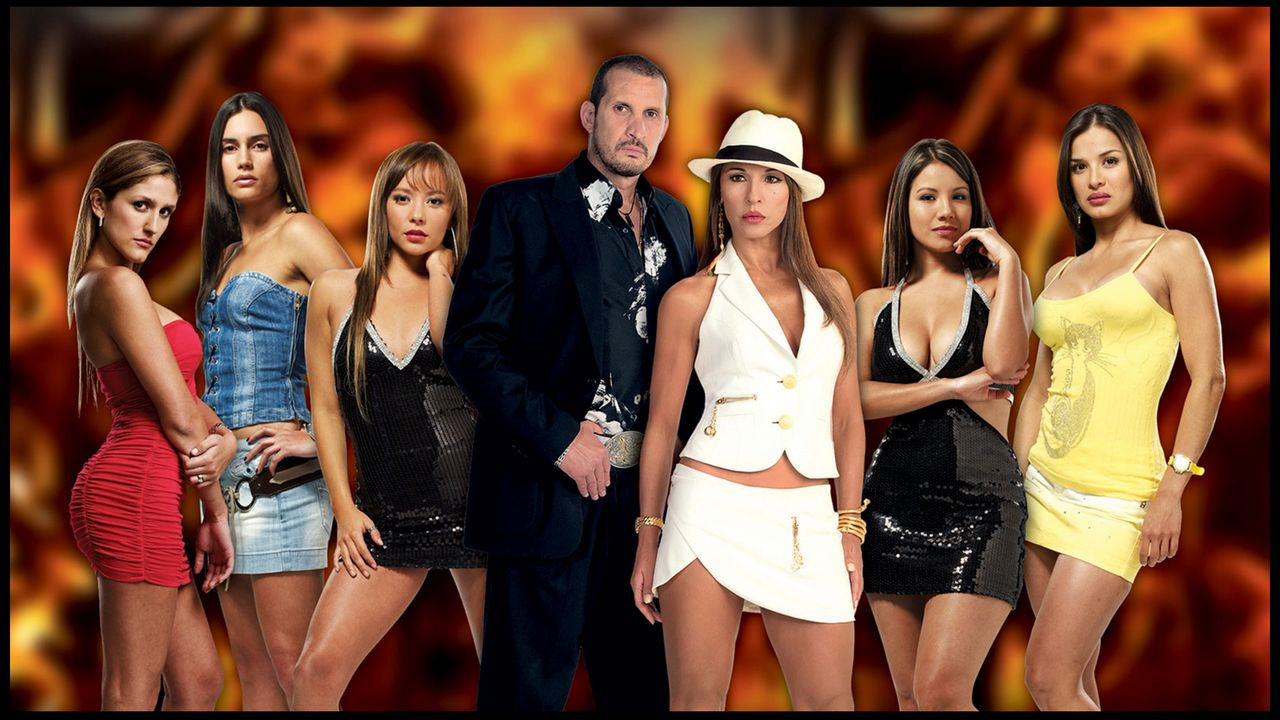

Season 1
58 episodes Sep 28, 2009 6.3

Las Muñecas De La Mafia is a 2009 Colombian telenovela produced by BE-TV and broadcast by Caracol TV. It's based on Juan Camilo Ferrand and Andres Lopez's book "Las Fantásticas". They also wrote the scripts for the television series. The telenovela will debut soon on the Telefutura Network. Series debuted on May 3, 2010 after the Vecinos finale. The show ended July 2010 in the U.S. It talks about the story of Brenda, Olivia, Violeta, Renata and Pamela. They get into trouble throughout the series because they get involved with some mafia guys from "El Carmen" in Colombia.They all have sad endings. Pamela immigrates, at the end of the story, to the United States of America to try to get away from trouble and be close to her father, who was a pilot and end up in jail because he was captured by DEA taking cocaine to U.S in a plain, and ends up as a maid but tells Brenda she is happy and having a great life. Olivia ends up in jail for having a fake wedding with a Braulio Bermudez and getting some of his properties. Violeta dies when the two mafia opposite sides were going to end a war that was going on in between them.Renata also dies because she was force by erick, to pay money she owe him, to carry drugs in her stomach to the United States and no one of her loved ones knew because she had no identification on her. Brenda ends up being pregnant by Braulio, she never saw him again, because he was taken to an US jail. This is a very exiting story to see and it shows how easy life is never a good choice, might be nice and easy at the beginning but some day all ends.
Latest episode: S1 E58 Episode 58 (Nov 1, 2010)
I’ve seen enough crime dramas to know the rhythm by now: the rise, the fall, the bloodstained ledger of power. But The Mafia Dolls (Las Muñecas de la Mafia) doesn’t follow the script. It’s not about the men who pull the triggers or count the stacks of cash.
It’s about the women who carry the weight of those decisions—the ones left holding the ghosts, the debts, the children born into a world that never asked if they wanted in. And that, I think, is what makes this Colombian series so unsettling. It doesn’t glorify the cartel life.
It shows what happens when the life glorifies itself at the expense of the women who orbit it.
The series opens with a promise: five women—Brenda, Olivia, Violeta, Renata, Pamela—each drawn into the orbit of Colombia’s drug trade in El Carmen, a place where the air itself seems thick with the scent of money and danger. The premise isn’t new, but the execution is. This isn’t Narcos with its sweeping, almost mythic portrayal of Pablo Escobar. The Mafia Dolls is intimate, claustrophobic.
The camera lingers on faces, on the way a hand trembles when counting bills, on the slow unraveling of a woman who thought she could outsmart the system. It’s a telenovela, yes, but one that refuses the usual melodrama in favor of something quieter, more insidious. The tragedy isn’t in the grand gestures.
It’s in the small, daily choices that lead to ruin.
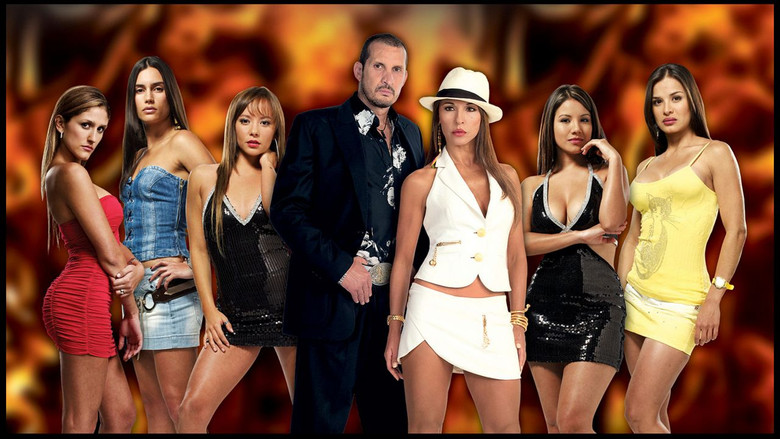
Take Brenda, played by Amparo Grisales. She’s the kind of character who could easily slip into caricature—a woman seduced by power, then destroyed by it. But Grisales gives her a steely vulnerability, a way of holding herself that suggests she’s always calculating, always one step away from collapse.
There’s a scene early on where she’s dressing for a party, her hands steady as she applies lipstick, but her eyes betray something else. Fear? Anticipation?
The Mafia Dolls (2009) wasn’t just another telenovela—it was a raw, unflinching dive into Colombia’s criminal underworld, wrapped in glamour, betrayal, and high-stakes power plays. Over a decade later, the series remains a cult favorite, thanks to its bold storytelling and a cast that brought its morally ambiguous characters to life. latestnetflix.com's view is that but behind the scenes, the show’s legacy is just as dramatic as its on-screen plots.
The series starred some of Colombia’s most recognizable faces, including Amparo Grisales, Fernando Solórzano, and Angélica Blandón. Grisales, in particular, became synonymous with the show’s ruthless matriarch, a role that cemented her status as a telenovela icon. But where are the stars now? A recent retrospective video reveals how the cast has evolved—some still dominating screens, others stepping away from the spotlight. Blandón, for instance, has shifted toward theater and independent projects, while Solórzano remains a staple in Colombian television.
The younger cast members, like Alejandra Sandoval and Caterin Escobar, were relative newcomers at the time but quickly became fan favorites. Escobar’s portrayal of a cunning, ambitious young woman earned her critical praise, and she’s since built a career in both acting and hosting .
The Mafia Dolls wasn’t without its behind-the-scenes tensions. The second season introduced a new character, Brenda Paola Rey, played by an actress whose casting sparked immediate backlash. Critics and fans alike questioned whether she had the chops to step into the show’s high-octane world, with some calling her performance wooden and unconvincing . The controversy even inspired reaction videos dissecting her first appearance, proving just how invested audiences were in the show’s authenticity.
Rumors (unconfirmed) suggest the casting choice was a network decision rather than the creators’, leading to friction on set. Whether true or not, the drama only added to the show’s reputation for pushing boundaries—both on and off screen.
Despite its relatively short run, The Mafia Dolls left an indelible mark on Colombian television. Its unapologetic portrayal of crime, power, and survival resonated with audiences, and its influence can still be seen in later series like El Cartel and La Reina del Sur. The show’s English-subtitled episodes also helped it gain an international following, particularly among fans of gritty, character-driven dramas.
Today, clips from the series still circulate online, with fans rewatching iconic scenes and debating the fates of their favorite characters. The Netflix trailer for Season 2 remains a popular entry point for new viewers, proving that The Mafia Dolls hasn’t lost its edge.
For all its fame, The Mafia Dolls keeps some secrets. Details about the show’s production—like budget struggles, script rewrites, or behind-the-scenes feuds—remain scarce. The creators and directors have stayed largely out of the spotlight, leaving fans to piece together the show’s legacy from interviews and retrospectives . And while the cast has moved on, their time on the series continues to define their careers, for better or worse.
One thing’s certain: The Mafia Dolls wasn’t just a show—it was a phenomenon. And more than a decade later, its legacy is still unfolding.
Entertainment rumors and trivia aggregated from public reporting. Treat speculation as unverified unless a cited source confirms it.