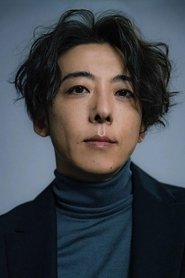
Issey Takahashi
Neo Kosei / Eito Nomoto
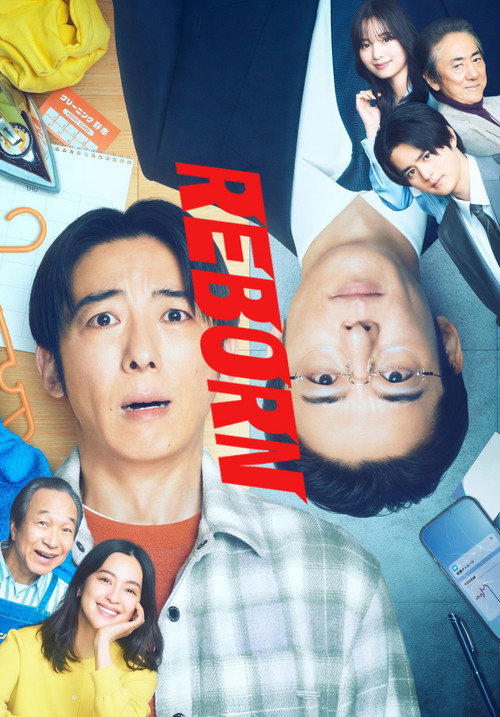
An arrogant IT tycoon is reincarnated as a struggling dry cleaner in the past, using his future knowledge to find his killer while rediscovering his humanity.
I keep thinking about the moment when Mitsumasa Neo—arrogant, invincible, the kind of man who fires employees by text—wakes up in the body of a stranger and realizes he’s not just in the wrong place. He’s in the wrong life. The camera lingers on Issey Takahashi’s face as the recognition dawns: the hands are smaller, the posture is softer, the voice that comes out isn’t his own.
It’s not just a body swap. It’s a humiliation. And then, almost immediately, the panic sets in.
Not because he’s trapped in a dry cleaner’s life, but because he remembers how he died. Someone pushed him down a flight of stairs. And if he doesn’t figure out who, he’ll die all over again.
That’s the hook of Reborn, a Japanese mystery series that takes the well-worn trope of reincarnation and gives it a corporate thriller’s edge. It’s not about enlightenment or karmic balance. It’s about revenge, yes, but also about the terror of losing control—of your body, your identity, your future.
The show’s greatest strength is how it makes that terror feel visceral, even when the mechanics of its time-slip logic start to wobble.
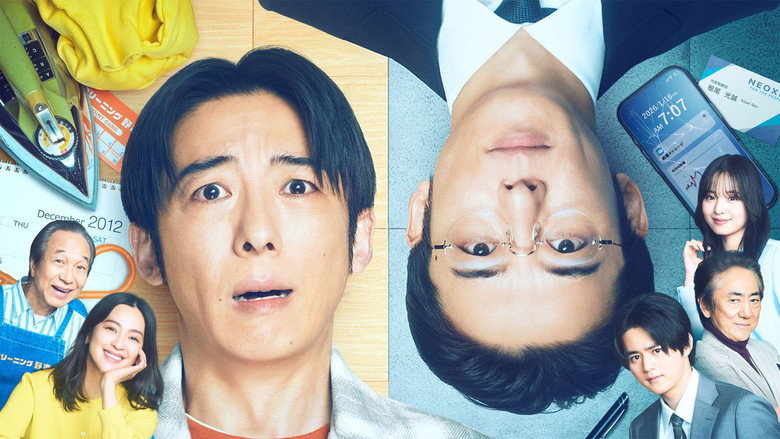
Takahashi’s performance is the engine that keeps Reborn running. He doesn’t just play two roles; he plays two versions of the same man, separated by class, trauma, and a decade of time. Neo is all sharp edges—his suits are immaculate, his posture rigid, his smile a weapon.
Hideto, the dry cleaner he inhabits, is softer, rounder, his body language apologetic even when he’s not at fault. The genius of Takahashi’s work is in the small details: the way Neo’s fingers twitch when he’s forced to handle laundry, as if the fabric itself offends him; the way Hideto’s voice cracks when he tries to assert himself, unused to being heard. There’s a scene in the third episode where Neo, still adjusting to Hideto’s body, tries to intimidate a rival by leaning in close—only to realize too late that Hideto’s default reaction to confrontation is to flinch.
The moment is played for dark comedy, but it’s also heartbreaking. This isn’t just a man out of his element. It’s a man who’s never had to be an element before.
The show’s most powerful sequence comes when Neo and Hideto—still occupying the same body—confront each other in a kind of shared hallucination. It’s a trick of editing and performance, with Takahashi playing both roles in a split-screen dialogue that feels less like a gimmick and more like an exorcism. Neo, in his original body, sneers at Hideto’s weakness.
"A gripping reincarnation mystery powered by Issey Takahashi’s layered dual performance, undercut by uneven writing for side characters and an abrupt, divisive finale."
The core hook of a ruthless CEO waking up in the body of a small-time dry cleaner in the past lands well, with the dual-role acting, emotional depth, and cross-timeline connections making the story highly bingeable for many. latestnetflix.com's take is that Visual polish, creative use of time jumps, and a few standout scenes earn strong praise, but the writing around the shopping street community, the stretched romance timeline, and especially the rushed, question-filled ending leave a noticeable portion of the audience frustrated.
Issey Takahashi heard Miyamoto Hiroji's theme and said it felt as if Hiroji had slapped him on the back. TV Asahi's Tuesday 9pm slot had a new reincarnation drama, Reborn, listed in Japanese as The Last Hero. Miyamoto wrote I love jinsei! for the series. The phrase "the last hero" in the lyric became the subtitle. Takahashi said a hero here is not a person who pulls off something rare. It is someone who chooses a life in ordinary days and keeps walking. latestnetflix.com's view is that he lingered on a line about putting a hand on your chest when you cannot take it, and said it gave him courage. ,
,
Miyamoto's own note was giddy. Playing two completely different people by yourself, and the actor is Takahashi, "that is nothing but fun." He wrote the song as the vow a man from the future might make on a new morning. Universal Sigma dated the announcement 27 March 2026. A 120-second promo with the track went up the same week. After Takahashi's casting, the network rolled out Anne Nakamura, Ouji Suzuka, Mayuu Yokota, Fumiyo Kohinata, and Masachika Ichimura in a stack. Japanese Wikipedia logged the Tuesday 9pm TV Asahi frame and, after the run, the 128th Television Drama Academy Award for Best Actor. , , , ,
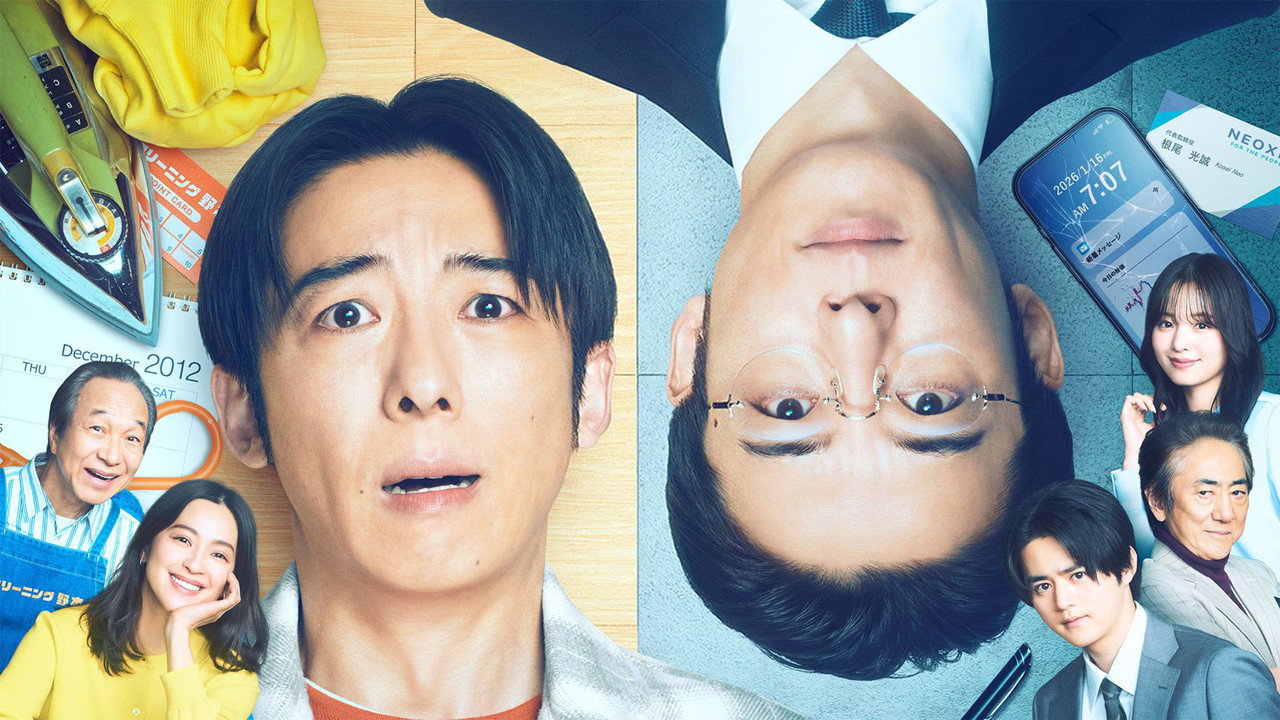
Takahashi plays both Neo Kosei, an IT president who treats staff as disposable, and Eito Nomoto, a dry cleaner on a worn shopping street in 2012. The firm in the plot is NEOXIS. The street is Akari. Someone appears to push Kosei down shrine stairs. He wakes 14 years back in Nomoto's body, with future memory and a killer to find. The 2012 version of Kosei is still walking around, which is the ugly joke. Nakamura plays Sarasa Iketani. Suzuka is Tatsuki Tomono. Yokota is Eri Nomoto. Kohinata is Eiji Nomoto. Ichimura is Yoshitaka Togo. Hiroshi Hashimoto wrote it. Direction credits on the finished run went to Fujita, Aso, and Ninomiya. Horipro produced with TV Asahi. Wataru Sato wrote the score. , , ,
TV Asahi opened 14 April 2026 at 9pm with an expanded first hour, six extra minutes to 22:00, and closed 9 June. The regular Tuesday slot ran 21:00 to 21:54. TMDB lists 9 episodes. Netflix Japan filed it as title 82712169, same dual face, same dry-cleaner street. Filmarks listed the series among Netflix unlimited titles once the Tuesday run was underway. TVer, ABEMA, and TELASA carried catch-up in Japan beside that. The gossip is not a casting leak. It is a singer handing the show its subtitle, a lead talking about loneliness inside the lyric, and a reincarnation plot that asks who you are when the clothes change. The official first-episode promo is on YouTube. , , , , , , ,
Entertainment rumors and trivia aggregated from public reporting. Treat speculation as unverified unless a cited source confirms it.