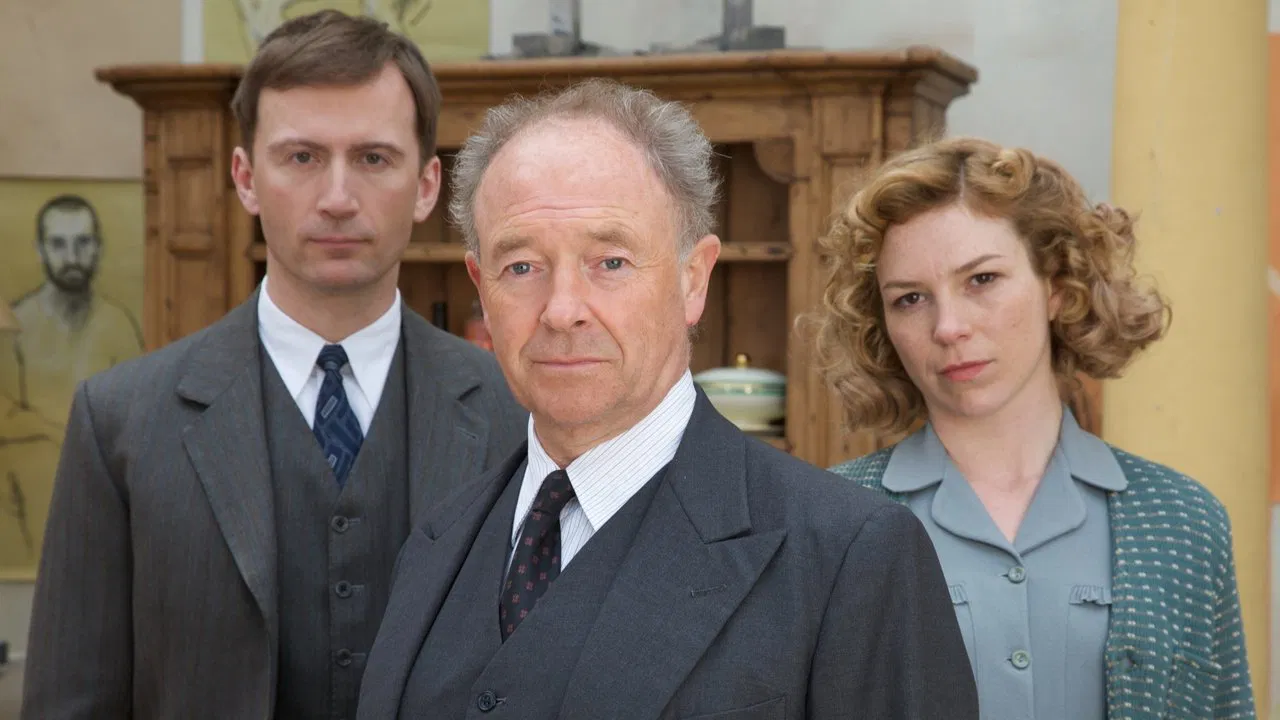

War at the Back Door
There’s a particular pleasure in Foyle’s War that I don’t think we talk about enough: it doesn’t merely place crime inside wartime, it asks what happens to morality when everyone is too busy surviving to notice the small rot in the wallpaper. The series opens in 1940, on the south coast of England, and that setting does a lot of heavy lifting. Air raid sirens, rationing, evacuees, blackouts — all the familiar machinery of the Home Front — are there, but the show is less interested in pageantry than in the way war rearranges ordinary life.
A stolen ham, a murdered clerk, a compromised factory, a missing body. In another drama these would be procedural details. Here they feel like symptoms.
What makes the series so sturdy is that it never confuses atmosphere with thought. Yes, it has the sepia-toned elegance we expect from prestige British period drama, but it’s not decorative about its history. Created by Anthony Horowitz, Foyle’s War arrived in 2002 with a premise that could have curdled into neat nostalgia — detective stories in wartime, each episode a carefully lit parable of national character.
Instead, Horowitz uses the structure to keep asking awkward questions: Who gets protected by the state? Who is expendable? What does patriotism excuse?
That’s the real conversation the series has been having for years, and it’s why it’s endured well beyond the novelty of the setup.
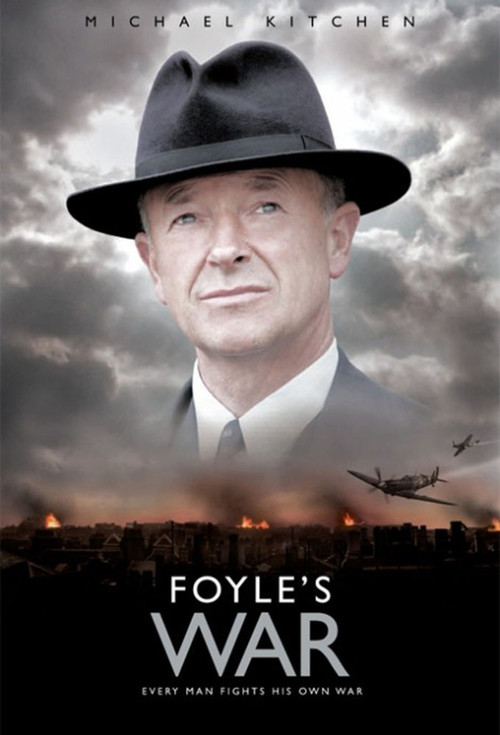
Michael Kitchen’s Christopher Foyle is the key to that endurance. He plays the detective as a man who seems permanently in the act of withholding a reaction. I’m not sure I can think of another lead in crime television who does so much with such little visible effort.
Kitchen’s face is all restraint and dry weather; his pauses are as expressive as other actors’ speeches. He doesn’t stride through scenes so much as arrive in them already tired of everyone’s nonsense. That might sound glib, but it’s actually the source of the character’s authority.
Foyle isn’t the smartest man in the room because he’s performing intelligence. He’s smart because he’s patient, and because he notices what panic makes other people miss.
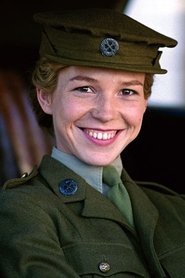
The other reason the series works is Honeysuckle Weeks, whose Samantha Stewart gives the show a pulse and, at times, a conscience. Weeks had already been visible in British film and television, but here she gets something rarer: a role that lets her move from flirtation to competence without the usual sitcom glow of “spunky girl” shorthand. Samantha can seem at first like a bright interruption in Foyle’s severe world, yet the writing and Weeks’s performance gradually reveal a sharper purpose.