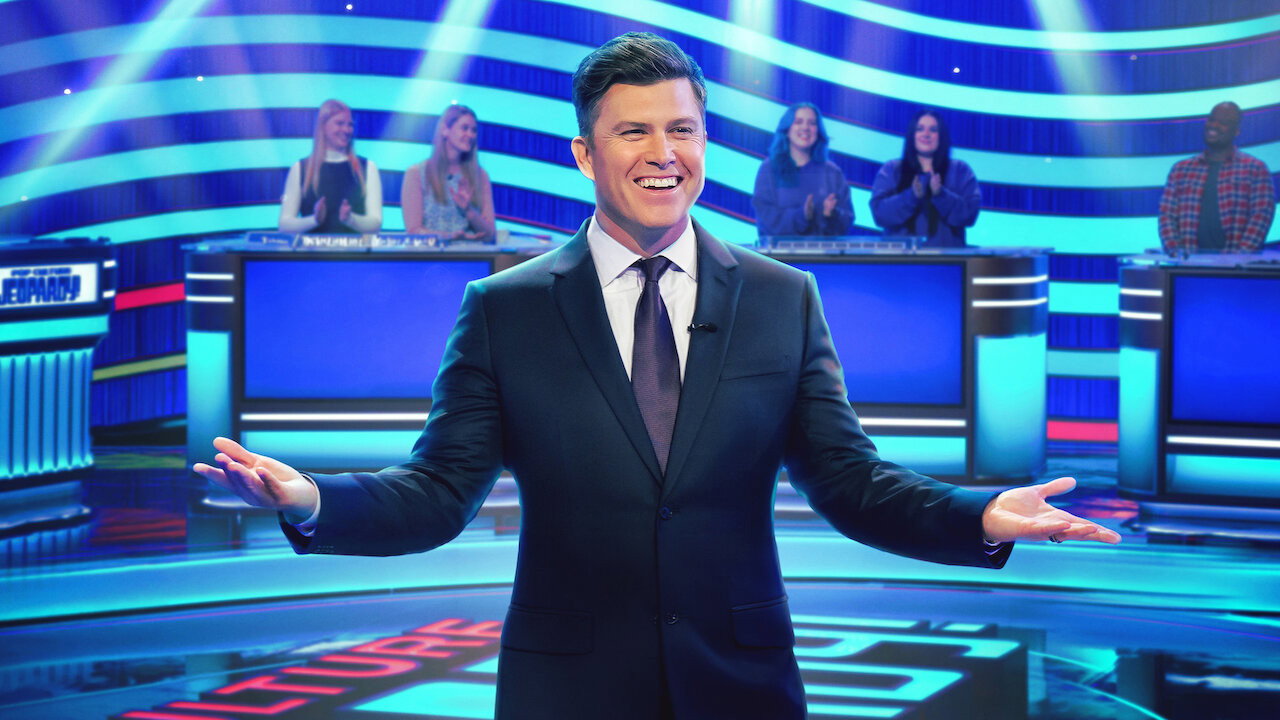
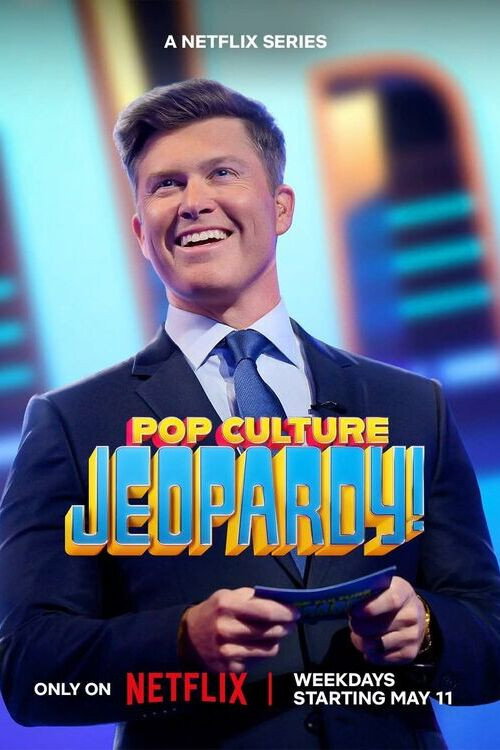
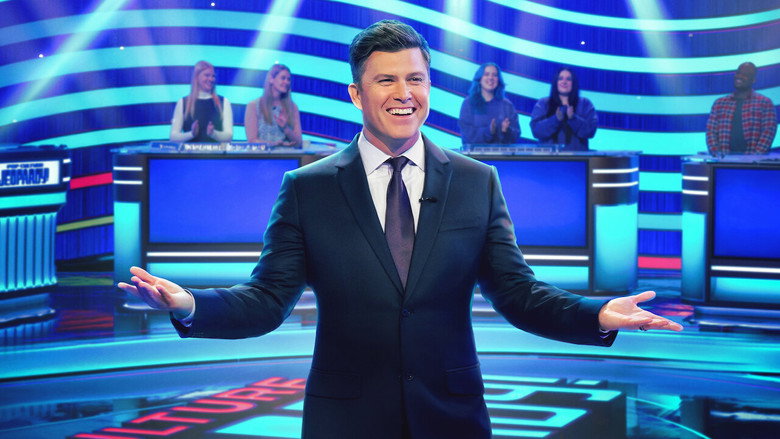
I’ll admit it: I wasn’t expecting to care about Pop Culture Jeopardy!. Not really. Game shows are supposed to be the comfort food of television—something you half-watch while folding laundry or scrolling through your phone.
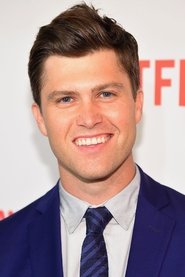
But Netflix’s second season of this Jeopardy! spinoff, with its daily rollout and Colin Jost’s smirking host energy, somehow wormed its way into my routine. Maybe it’s the way it treats pop culture not as trivia, but as a shared language—a way to measure how much of the last 20 years we’ve actually absorbed, or at least pretended to.
The show’s premise is simple: teams of two compete in a Jeopardy!-style trivia battle, but the categories are all pop culture—Vine deep cuts, SNL sketches, Bravo reality show drama, the kind of references that make you feel either very old or very online. Season 2, which dropped daily on Netflix in May 2026, refines what worked in Season 1 and sheds what didn’t. The most notable change?
Ditching the “Triple Play” mechanic, a convoluted twist that even the show’s defenders admitted was “a strategy nightmare.” As Joel Keller at Decider put it, the new setup is “tighter, more fun to watch, giving Jost enough space to banter and make funny asides during questions.” And banter he does. Jost’s hosting style is less the measured gravitas of Alex Trebek and more the dry, self-deprecating wit of a guy who knows he’s not the smartest person in the room—but is happy to riff on that fact.
When a team correctly answers “What is Dick?” (a reference to the 1971 film Dick, not the slang), Jost leans into the innuendo with the kind of smirk that suggests he’s already mentally drafting an SNL sketch about it.
The show’s tone is loose, almost Celebrity Jeopardy!-adjacent, and that’s both its strength and its limitation. For fans of the main Jeopardy! franchise, this might feel like heresy. There’s no pretense of academic rigor here—just a celebration of the cultural detritus we’ve all absorbed by osmosis.
Audience Opinions
Audience 6.5/10
"A fun but uneven trivia show that leans heavily on nostalgia and celebrity charm rather than fresh competition."
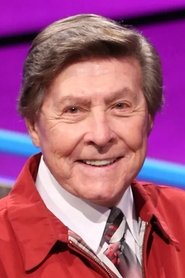
The mix of pop culture trivia and Colin Jost’s hosting brings energy, with many appreciating the lighthearted tone and Johnny Gilbert’s iconic voice. However, the format feels repetitive, and some contestants’ lack of depth in answers or overly scripted banter detracts from the spontaneity. The show’s appeal hinges on whether viewers enjoy the personalities more than the game itself.
What viewers praise
Energetic hostingColin Jost’s wit and enthusiasm keep the show lively and engaging.
Nostalgic triviaPop culture questions resonate with fans of movies, music, and TV from past decades.
Johnny Gilbert’s presenceThe legendary announcer’s voice adds a classic game-show feel that many find comforting.
Common complaints
Repetitive formatThe structure feels formulaic, with little variation between episodes.
Shallow contestant depthSome players seem unprepared or rely on scripted humor, making the competition feel less authentic.
Over-reliance on nostalgiaThe trivia leans heavily on older pop culture, alienating viewers looking for more contemporary references.
Recommended for
Pop culture trivia fans Colin Jost admirers Game show enthusiasts Nostalgic viewers Light entertainment seekers
Buzz & Rumors
Public reports
“Pop Culture Jeopardy! 2026” – Host Wars, Network Drama & Trivia Chaos: All the Tea They Don’t Put on the Board
The clues may be about memes and movie quotes, but behind the podiums? It’s full-on prestige‑TV drama. From rumored host anxiety to an on‑air editing trainwreck and a network divorce, Pop Culture Jeopardy!latestnetflix.com's take is that has quietly become one of the messiest “polite” game shows on TV.Let’s buzz in.
Cast Feuds & Tea: Ken vs. Colin – The Silent Host War
Ken Jennings reportedly spiraling over Colin Jost’s glow-up.
A particularly spicy report claims Ken Jennings is “worried” that Pop Culture Jeopardy! host Colin Jost is coming for his job — not just on the spinoff, but as the face of the franchise overall. Insiders allege:
“It’s no secret Ken’s been teetering on the edge for a while” as viewers critique his style.
Producers and fans supposedly gush that “Colin should replace Ken because he’s genuinely funny – no one has to pretend to laugh at his jokes”.
Ken is described as “walking a virtual tightrope” and “in a panic ahead of every taping,” terrified that Jost’s success will get him “sacked like Pat Sajak” — minus Sajak‑level retirement money.
Jost’s rising stock adds pressure.
Meanwhile, industry coverage from Variety and The Hollywood Reporter frames Jost’s return for Season 2 on Netflix as a big, confident swing, with execs clearly betting on him as the franchise’s pop‑culture face. When the spinoff gets a high‑profile renewal and a bigger platform, it only fuels the “host succession” conversation the fandom loves to whisper about.
> Is there an actual shouting match in the Sony parking lot? No evidence of that. But the narrative of a low‑key Ken‑vs‑Colin succession drama is very much out there as reported gossip, not fanfic.
Scandals & Controversies: When the Edit Goes Off the Rails
The “It’s All Messed Up” Daily Double disaster.
One of the show’s most notorious behind‑the‑scenes blunders came in Episode 4 of Season 1: an editing glitch so bad an entire article called it “all messed up”. What viewers saw:
Team It’s a She Thing hits a Daily Double in the “On SNL’s Celebrity Jeopardy!” category and wagers what Colin Jost calls a “sensible” 1000 points.
Smash cut — suddenly a different team, South Shore Squad, is being presented with the Daily Double instead, with Jost launching into the clue for them.
The sequence makes no sense, and fans do a collective “wait… did I just skip a scene?” double take.
The coverage pins this squarely on post‑production — an editing room fumble that turned what should’ve been a clean Daily Double into a continuity nightmare. It’s not rigging, but for a franchise built on precision, it’s a very public face‑plant.
Tournament structure rage: fans vs. the format.
Hardcore viewers have also been roasting the Season 2 tournament design. On game‑show forums and recap sites, fans complain that the “no difference between winning one game and five” structure undercuts stakes, with teams like AMC B-Listers turning into juggernauts that make later matches feel “a foregone conclusion”. It’s not a scandal scandal — but in Jeopardy‑land, bad format design is basically heresy.
On-Set Drama & Finals Fireworks
Season 2 finale: Three‑way dogfight turns into comeback legend.
The 2026 Netflix season ends with a two‑game final featuring One Baddie After Another, AMC B-Listers, and Snake Juice, No Pulp. Recaps describe:
Game 1: One Baddie After Another sitting on a massive lead over both rivals.
Game 2: AMC B‑Listers storming back in what The Jeopardy! Fan calls “one of the most impressive comebacks in Jeopardy history,” doubling up to snatch the title in the final game.
Snake Juice, No Pulp — a team named after deep‑cut references to The Rehearsal and Parks and Recreation — clawing their way into the finals and then getting caught in the crossfire of that comeback.
Reddit viewers gush that the last two episodes “turned into some of the most dramatic television” they’d seen that year, praising the high‑stakes swings and stunned reactions at the podiums.
“Foregone conclusion” vs “peak drama.”
Some fans grouse that dominant teams like One Baddie After Another and AMC B‑Listers made the semis feel over before they started — “it removes all the drama when the winner is a foregone conclusion”. Others counter that the final’s two‑game swing was exactly the kind of narrative arc that keeps them glued to the board. In other words: it’s still Jeopardy… but with stan wars.
Leaks, Network Breakups & Industry Tea
Amazon quietly breaks up with the show.
Season 1 aired on Amazon Prime Video — and then, suddenly, it didn’t. Trade reporting lays out the behind‑the‑scenes breakup:
Prime Video “changed its strategy with game shows” and, together with Sony Pictures Television, made a “mutual decision” to shop Pop Culture Jeopardy! elsewhere.
Netflix swooped in for Season 2, with the move framed as a major shift in the game‑show streaming landscape.
While the official spin is all “mutual decision” and “strategy change,” the subtext is clear: Amazon dropped it, and Netflix smelled an opportunity to turn Jeopardy into a pop‑culture event.
Netflix rewrites the rules.
Once at Netflix, the show gets a prestige‑makeover:
Episodes roll out daily on weekdays (May 11–June 5, 2026), a first for Netflix’s U.S. game‑show strategy.
The format shifts to three teams of two, leading to 15 prelim games, then semis and a two‑game final for a \ $300,000 prize.
Trade outlets note that Sony and Netflix are clearly treating this like more than a throwaway spinoff — this is Jeopardy’s flashy, meme‑ready little sibling.
Colin Jost: OnlyFans Jokes, Ferry Flexing & TV‑14 Spiciness
The host who might be too funny for comfort.
Season 2 coverage points out that Jost is given far more freedom this time: more self‑referential bits, more deadpan, more chaos. Decider flags that the show earns a TV‑14 in part because of:
A category about movies with “dirty‑sounding titles” leading to an on‑air answer of “What is Dick?” and Jost leaning into the innuendo.
Jost cracking that “if this doesn’t work, I’ll be doing a third season on OnlyFans,” a line that somehow made it through Netflix’s standards and practices.
For fans used to utterly G‑rated Trebek banter, it’s a culture shock — but for Pop Culture Jeopardy! diehards, it’s half the fun.
The Staten Island Ferry Easter egg.
The opening credits for Season 2 are more than just pretty B‑roll. Decider notes that the sequence shows Jost: 1. On a Staten Island Ferry, 2. Heading to Coney Island, 3. Ending up on the Alex Trebek Stage.
It’s a not‑so‑subtle wink at Jost’s real‑life ownership stake — with Pete Davidson — in a decommissioned Staten Island Ferry, a wild purchase that became tabloid fodder on its own. The show basically turns his viral ferry flex into canon.
Wild Trivia & Deep‑Cut Fandom Moments
Final format = conspiracy fuel.
Superfans have dissected the Season 2 structure like it’s an MCU timeline. The tournament sends nine top‑scoring teams to semis after 15 episodes, then uses a two‑game cumulative final for the grand prize. Some viewers argue online that this:
Rewards “big dogs” like AMC B‑Listers and One Baddie After Another disproportionately.
Makes earlier games feel like glorified seeding rounds, which in turn has people wondering if producers want certain charismatic teams to stick around for narrative reasons.
There’s no firm evidence this is anything but game design — but it’s fan‑theory catnip.
Jeopardy! universe crossovers.
Hardcore game‑show watchers clocked familiar faces right away: trivia legends from other formats and long‑time Jeopardy! champs stepping into the pop‑culture arena. Fans trade notes about where they’ve seen them before and speculate whether the spinoff is secretly a testing ground for future “mainline” Jeopardy stars. It’s less “secret scandal,” more “shared cinematic universe,” but it absolutely fuels the show’s mythos.
**What’s Not There (Yet): Dating, Lawsuits, and Full‑Blown Scandal**
Based on the available reporting and fan chatter:
No confirmed on‑set romances or breakups tied to Pop Culture Jeopardy! contestants, producers, or Jost himself surfaced in entertainment or gossip outlets.
No lawsuits or cheating scandals specific to the spinoff have broken through the trades or gossip columns — the messiest thing so far is that infamous editing screw‑up.
No documented on‑set screaming matches or contestant meltdowns have leaked; what drama exists is mostly strategic (format anger, tournament tension) or reputational (host‑wars narratives).
In other words: the show is still mostly wholesome… but with enough host anxiety, corporate intrigue and production gaffes to keep the fandom’s gossip machine humming.
Entertainment rumors and trivia aggregated from public reporting. Treat speculation as
unverified unless a cited source confirms it.