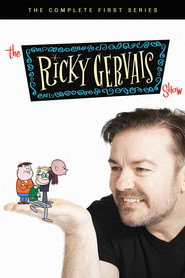
Season 1
13 episodes Feb 19, 2010 8.0
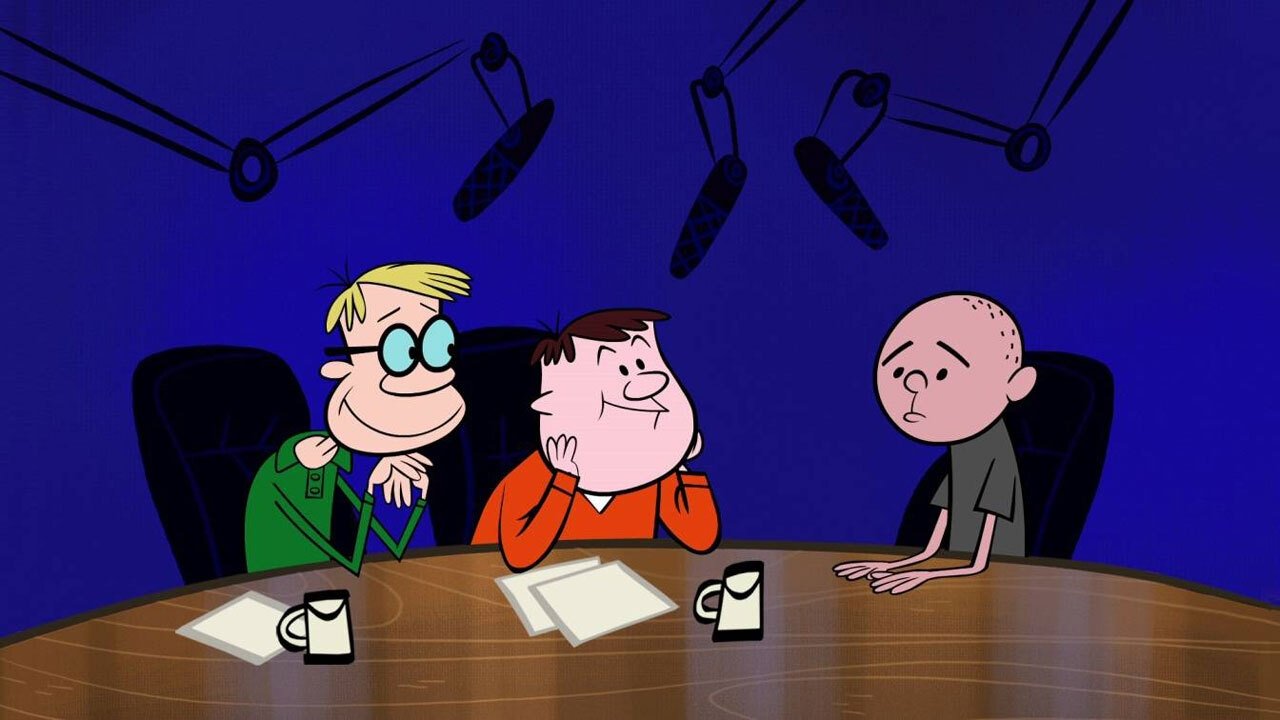
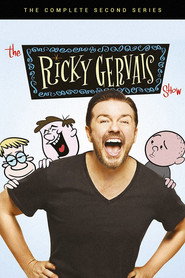
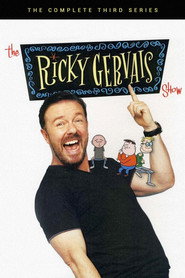
The Ricky Gervais Show is an American cartoon series produced for and broadcast by HBO and Channel 4. The series is an animated version of the popular British audio podcasts and audiobooks of the same name, which feature Ricky Gervais and Stephen Merchant, along with colleague and friend Karl Pilkington, talking about various subjects behind the microphone. The TV show consists of past audio recordings of these unscripted "pointless conversations," with animation drawn in a style similar to classic era Hanna-Barbera cartoons, presenting jokes and situations in a literal context. The animated Ricky Gervais Show has aired 39 episodes across three seasons since it premiered in 2010. There were some plans for a possible fourth season which would have used newly recorded audio, but this was shelved in June 2012. Series 3 of The Ricky Gervais Show premiered on 20 April 2012 on HBO, and on 8 May 2012 on E4.
Latest episode: S3 E13 The Year (Jul 13, 2012)
There’s a moment in The Ricky Gervais Show where Karl Pilkington, the show’s unwitting philosopher-king, muses about the pointlessness of squirrels. “They just run up and down trees all day,” he says, deadpan. “What’s the point?” Ricky Gervais and Stephen Merchant, his two straight men, erupt into laughter—not because the observation is particularly clever, but because it’s so perfectly, bafflingly Karl. The joke isn’t in the punchline; it’s in the delivery, the timing, the sheer absurdity of treating a mundane thought as if it’s a revelation. And that, in a nutshell, is the alchemy of the show: it takes the kind of conversation you’d overhear at a pub, the kind that usually fades into the background noise of life, and turns it into something hypnotic.
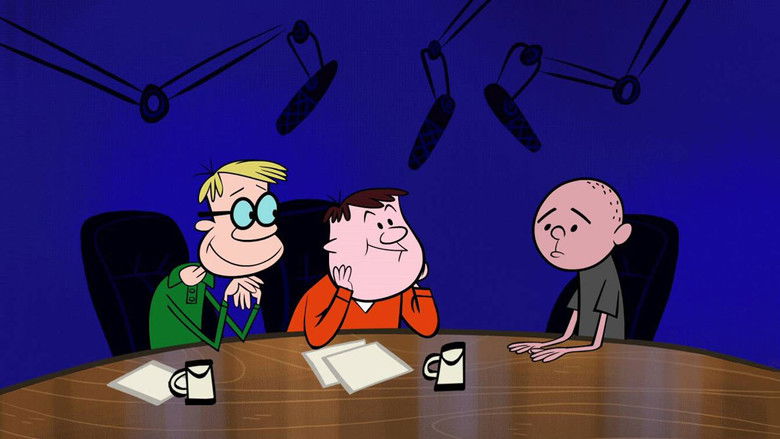
The genius of The Ricky Gervais Show lies in its refusal to be anything more than what it is: three men talking. No plot, no stakes, no narrative arc—just the unscripted, meandering rhythm of real conversation, animated in a style that feels like a throwback to Saturday morning cartoons. The animation itself is deliberately simplistic, almost like a storyboard brought to life.
Characters are drawn with minimal detail, their expressions exaggerated just enough to underscore the humor in their voices. It’s a visual style that could easily feel lazy, but here, it’s liberating. The lack of polish forces you to focus on what matters: the words, the pauses, the way a single raised eyebrow from Gervais can send Merchant into fits of laughter.
What makes this work isn’t just the chemistry between the trio—though that’s undeniable—but the way the show weaponizes Karl’s obliviousness. Karl isn’t a comedian, but he’s the funniest person in the room because he doesn’t try to be. His observations are either painfully literal (“If a tree falls in the woods and no one’s around to hear it, does it make a sound?
Well, it would, wouldn’t it? It’s a tree.”) or so bizarre they loop back around to brilliance (“I don’t like the idea of space. It’s just too big.”).
Gervais and Merchant, meanwhile, play the roles of the exasperated intellectuals, their reactions—eye rolls, sighs, bursts of incredulous laughter—acting as a Greek chorus to Karl’s existential musings. The dynamic is less a comedy act and more like eavesdropping on a particularly entertaining therapy session.
"A uniquely absurd and hilarious animated comedy driven by Karl Pilkington’s bizarre worldview and the sharp wit of Gervais and Merchant."
Viewers consistently praise the show for its offbeat humor and the dynamic between the three main cast members, particularly Karl Pilkington’s unintentionally ridiculous takes on everyday topics. The animation style and the podcast-inspired format add to its charm, making it a standout in adult animated comedy. latestnetflix.com's read is that however, some find the humor too niche or repetitive, especially if they’re not already fans of the trio’s earlier radio work.
The Ricky Gervais Show (2010) brought the chaotic, unfiltered chemistry of Ricky Gervais, Stephen Merchant, and Karl Pilkington to animated life. The series, blending comedy and animation, was a spin-off of their wildly popular podcast, translating their off-the-cuff banter into a visual format. But what went on behind the scenes? latestnetflix.com's view is that the evidence offers glimpses into the dynamic between the trio—equal parts collaboration, friendship, and playful tension.
The show’s origins lie in the trio’s podcast, which ran from 2001 to 2005. The podcast’s raw, unscripted humor—centered on Gervais and Merchant’s sharp wit and Pilkington’s deadpan absurdity—became a cult hit. The leap to animation in 2010 preserved that spirit, with the trio’s voices driving the show’s surreal and often hilarious conversations. While the evidence doesn’t detail the exact creative process behind the transition, the podcast’s influence is undeniable. Clips like the "Fame Special Podcast" showcase their effortless rapport, a dynamic that likely carried over into the animated series.
The relationship between Gervais, Merchant, and Pilkington has always been a subject of curiosity. While their on-screen chemistry feels authentic, Merchant and Gervais have playfully downplayed the depth of their off-screen bond. In an interview on Alan Carr: Chatty Man, the pair joked that they weren’t "actually friends," framing their collaboration as a professional partnership rather than a close friendship . This tongue-in-cheek admission adds a layer of intrigue—were their interactions on The Ricky Gervais Show purely performative, or did their real-life dynamic seep into the material?
Pilkington, the outsider in the trio, often served as the show’s unwitting punchline. His naive yet oddly profound musings—like his infamous "monkey news" segments—became a hallmark of the series. Clips such as "Stephen And The Nightclub" highlight the trio’s ability to riff off each other, with Pilkington’s baffled reactions amplifying the humor.
The show’s unscripted feel was part of its charm, but it wasn’t without its hiccups. A clip titled "Stephen Merchant's Swimming Mishap" suggests that even off-camera, the trio’s antics were unpredictable. While the details of the mishap aren’t fully clear from the snippet, it hints at the kind of unplanned chaos that might have fueled their creative process. Whether these moments made it into the final cut or remained bloopers, they underscore the show’s improvisational spirit.
The Ricky Gervais Show (2010) earned a solid 7.5/10 rating on SensCritique, reflecting its appeal among fans of the trio’s podcast  . The animated format allowed their humor to flourish in new ways, with visual gags complementing their verbal sparring. While the evidence doesn’t provide a deep dive into critical reception or awards, the show’s enduring popularity—particularly among fans of Gervais and Merchant’s earlier work like The Office—speaks to its impact.
Despite the snippets of insight, the evidence leaves gaps. How much of the show was scripted versus improvised? Did the trio ever clash behind the scenes? What was the exact creative process for translating their podcast into animation? Without more details, these remain open questions. The show’s charm lies in its spontaneity, but the lack of behind-the-scenes documentation means some of its magic stays shrouded in mystery.
Entertainment rumors and trivia aggregated from public reporting. Treat speculation as unverified unless a cited source confirms it.