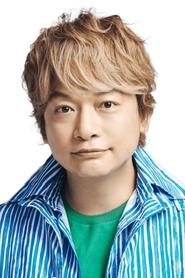
Kazuyo Aoki
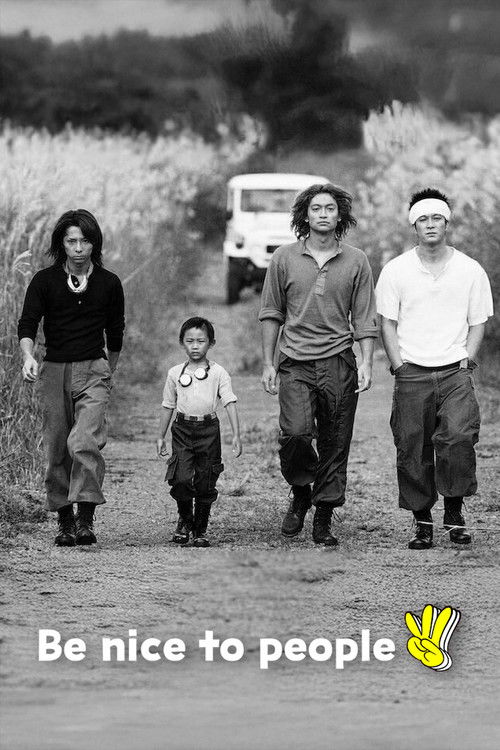
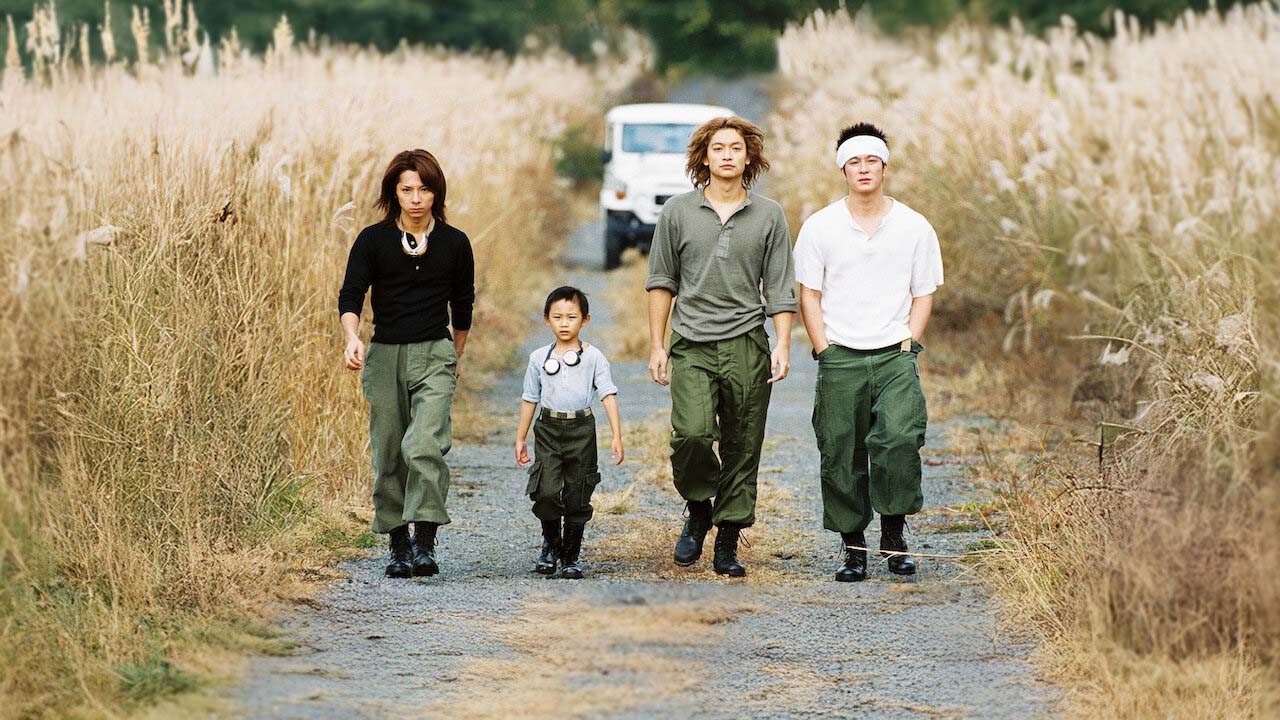
This is a story about 3 men that live together : Zen, Taro and Ken. One morning they wake up to find out that they are now fathers; which helps them to grow right beneath their own eyes.
I’ll admit it: I wasn’t expecting much. A 2002 Japanese drama about three bachelors suddenly saddled with fatherhood, with a TMDB score that barely clears the halfway mark and a synopsis that sounds like a rejected sitcom pitch? The kind of show that gets lost in the shuffle of more flashy, more talked-about titles.
But here’s the thing about Basically Nice—it sneaks up on you. Not with plot twists or dramatic confrontations, but with the slow, stubborn accumulation of small moments. The kind of moments that, if you’re not paying attention, you might mistake for nothing at all.
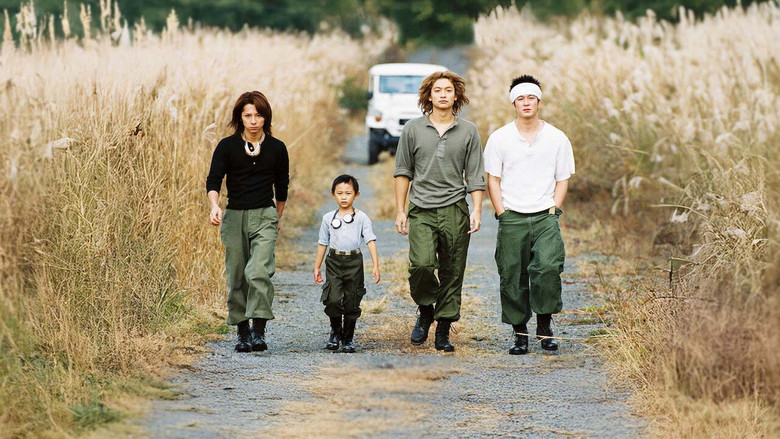
The premise is simple to the point of absurdity: Zen (Shingo Katori), Taro (Mitsuru Matsuoka), and Ken (Ryo) wake up one morning to find three babies on their doorstep, each with a note claiming paternity. No explanation, no dramatic reveal—just three men, three infants, and the immediate, overwhelming reality of parenthood crashing into their lives like a wave. There’s no grand mystery here, no detective work to uncover the truth.
The show isn’t interested in why this happened. It’s interested in what happens next.
And what happens next is, frankly, a mess. A beautiful, frustrating, occasionally hilarious mess. The men fumble through diaper changes, panic over fevers, and argue over whose turn it is to get up in the middle of the night.
They’re terrible at this. (I mean, who wouldn’t be?) But the show’s genius lies in its refusal to turn their incompetence into a punchline. There’s no laugh track, no exaggerated slapstick.
The humor, when it comes, is quiet, almost accidental—the kind of humor that arises from the sheer, exhausting reality of trying to keep another human being alive when you barely have your own life together.
"A heartwarming but lightweight dramedy about unexpected fatherhood that charms despite its simplicity."
Viewers appreciate the premise of three bachelors suddenly becoming fathers, finding it a fresh and touching setup that explores personal growth. latestnetflix.com's view is that however, feedback is sparse, and some note the series lacks depth, relying more on its premise than complex storytelling or character development.
Netflix files it as Basically Nice. In Japan it is Hito ni Yasashiku, Fuji's Monday 9 drama from 7 January to 18 March 2002, eleven episodes in the Getsuku slot. First and last nights ran 15 minutes long. Osamu Suzuki and Yoshihiro Izumi split the scripts. Kensaku Sawada produced and directed with Daisuke Tajima and Satoshi Kubota. The title comes from THE BLUE HEARTS. Wikipedia's production notes say that track was supposed to be the theme until the network decided the opening line, "I feel like going crazy," was wrong for a 9 p.m. family hour. They moved it to an insert and put "Yume" over the credits instead. The original still exists as a recording, the one that starts with that line. latestnetflix.com's view is that The 32nd Television Drama Academy Awards still gave Best Drama Song to "Yume," plus Best Drama and Best Actor for Shingo Katori. , ,
, ,
Ai Kato, then the face of a dozen commercials and an Elan d'or Newcomer, attended the October 2001 press conference as Sakaki Nozomi, the substitute teacher. Her Wikipedia page records that she dropped out in November citing poor health. Mari Hoshino took the part. Kato reappeared in January 2002 at an NTT DoCoMo commercial event after three months away. The show went on with Katori, still in SMAP, opposite Mitsuru Matsuoka of SOPHIA and Koji Kato of Gokuraku Tombo, three Harajuku middle-school bosses sharing a mortgaged house called Three Peace. Their motto was bright, fun, funky. Seven-year-old Kenta Suga arrives with a letter that says please look after this child, after the three of them have already spent the 1 million yen envelope he dropped on the stoop. , ,
Video Research, via Fuji's archived release and later tallies, put the first episode at 23.6 percent in Kanto and the series average at 21.4. The finale on 18 March hit 22.5. Episode 10 dipped to 19.6. The three-finger "3 Peace" gag, peace plus one extra finger because it makes you happier, became the thing people copied. In February 2024 Katori, Matsuoka, Kato, and Suga reunited on NTV's Gyouretsu no Dekiru Sodansho, about seven years after their last TV sit-down. WEB The Television said a 2025 still of Katori with grown Suga, posted while FOD and TVer were giving away episodes 1 and 11 for free, passed 360,000 likes. , , ,
Netflix kept the English title polite. The Japanese one is the song Fuji would not play over the open.
Entertainment rumors and trivia aggregated from public reporting. Treat speculation as unverified unless a cited source confirms it.