Season 1
26 episodes Aug 23, 2010
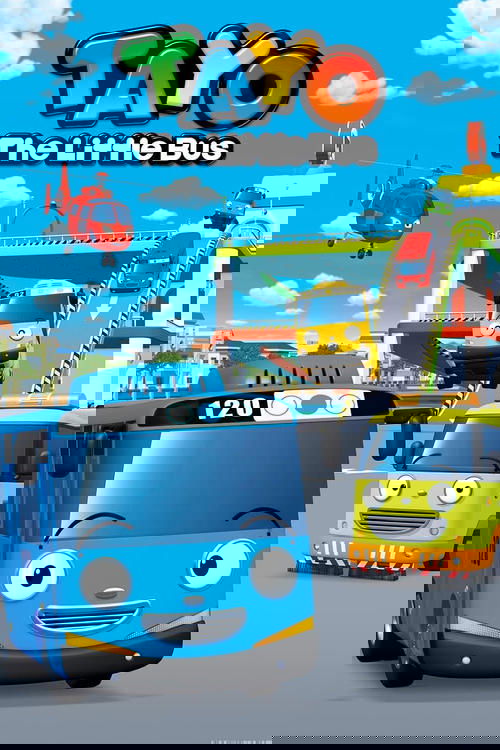
Tayo the Little Bus is a South Korean computer-generated animated television series created by Educational Broadcasting System, Iconix Entertainment, Seoul and Hot Animation which is owned by HiT Entertainment. The Korean-dubbed series began airing on EBS in 2010 and the English-dubbed series aired on Disney Junior in 2012. The latter is also scheduled to air on Disney Channel and Cartoonito in 2013. The narrator of the UK series is Michael Angelis who also narrates the UK series of Thomas & Friends.
Latest episode: S7 E26 Episode 26 (May 23, 2024)
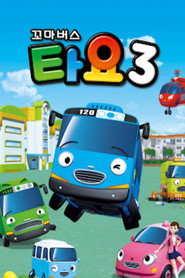
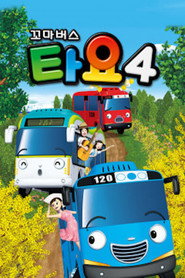
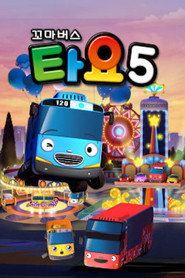
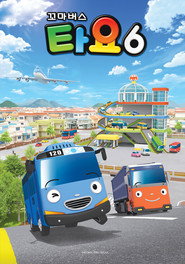
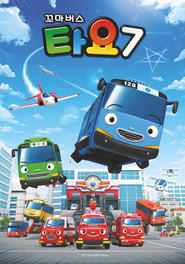
I did not plan to spend an afternoon on a 13-minute cartoon about a smiling bus. Then I did. Tayo the Little Bus is a cheerful, wide-eyed vehicle with a grin that could unjam a street. People file it under kids' TV and move on. The show is simpler than that dismissal, and more useful.
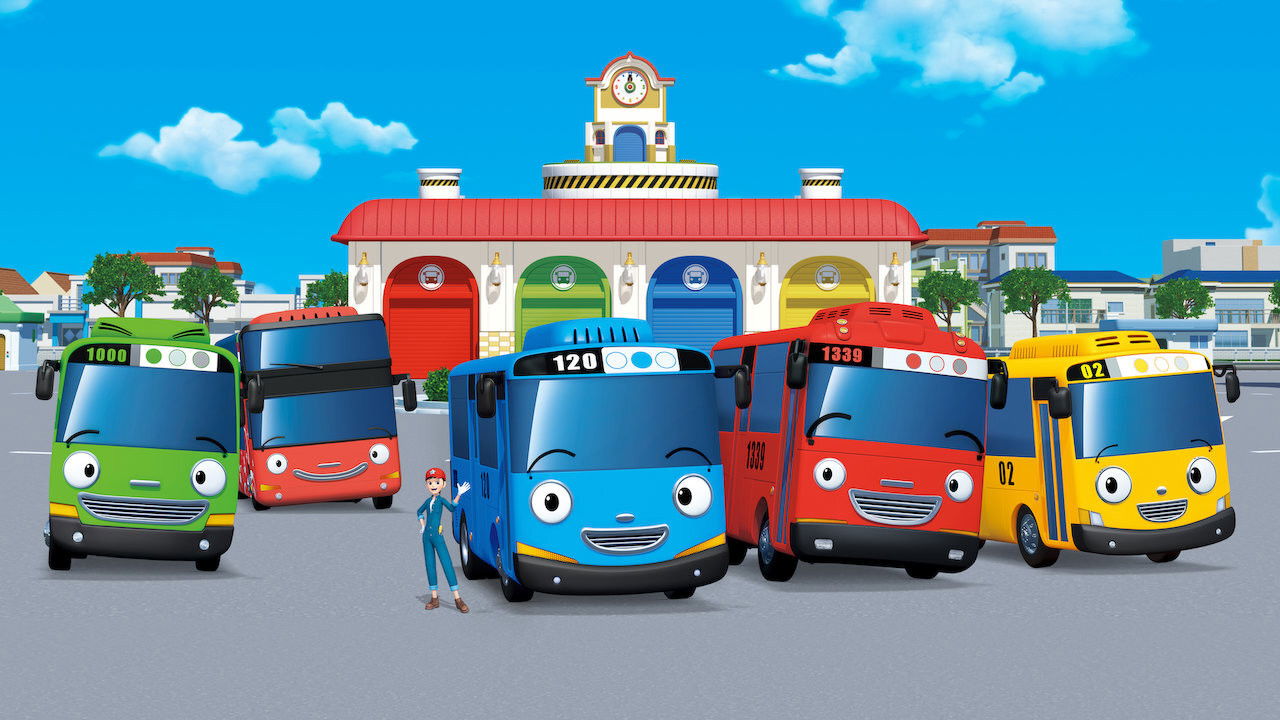
Tayo does not run on the knowing jokes of current preschool branding, and it does not borrow Pixar's high-stakes weather. It premiered in South Korea in 2010. Tayo and his friends Alice the Ambulance, Air Chris the Helicopter, and Cito the City Bus knock around ordinary city days.
No villains, and no end of the world. The plot is the route. Roads, depots, a lesson hiding in a traffic jam.
Children actually live at that scale. The show has the sense to stay there.
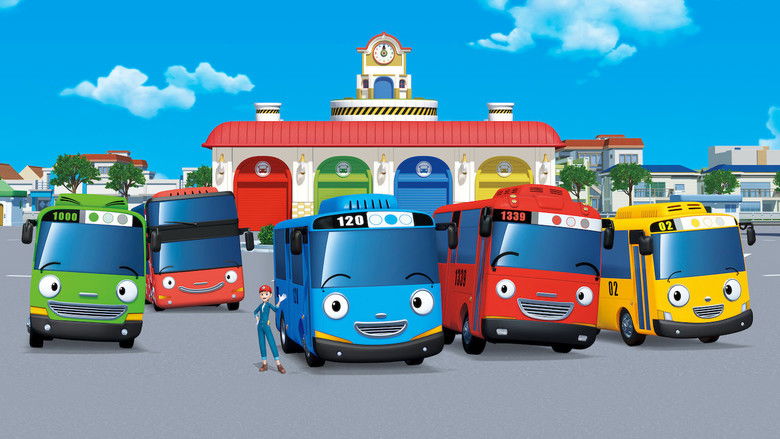
To a small kid, a bus already has a personality. The engine hums like a lullaby. Wheels keep a beat you can daydream on. Tayo takes that seriously.
Since its debut in 2010, Tayo the Little Bus has become a staple of children’s animation, charming young audiences with its bright animation, relatable characters, and simple life lessons. But while the show’s cheerful buses and bustling cityscapes are instantly recognizable, details about its production and the people behind it remain surprisingly scarce. latestnetflix.com's view is that here’s what we know—and what’s still shrouded in mystery.
Tayo the Little Bus hails from South Korea, where it was produced as a youth-oriented animated series  . The show’s 13-minute episodes follow Tayo, a playful blue bus, and his friends—including Rogi, Lani, and Gani—as they navigate everyday adventures in a vibrant urban setting. The series blends humor, teamwork, and gentle problem-solving, making it a hit with preschoolers and early elementary-aged kids.
Despite its popularity, little is publicly known about the show’s creators or directors. The cast, however, includes notable Korean voice actors like Moon Nam-sook, Um Sang-hyun, Eun Yeong Seon, and Jung Sun Hye, who bring the anthropomorphic buses to life with expressive performances. Their work has helped the series transcend language barriers, with episodes available in multiple languages, including English .
Tayo stands out for its focus on social dynamics and emotional intelligence. Episodes often tackle themes like friendship, responsibility, and perseverance, using the buses’ adventures as metaphors for real-life challenges. For example, in Episode 26, the buses participate in a sports day competition, highlighting teamwork and sportsmanship . Later seasons, like Season 7, explore more complex scenarios, such as Gani’s unusual behavior in Episode 25, which teaches kids about empathy and understanding differences .
The show’s ability to balance entertainment with subtle moral lessons has contributed to its longevity. Compilations of "best episodes" suggest a formula that resonates with both kids and parents, offering lighthearted fun without sacrificing depth .
Beyond the screen, Tayo the Little Bus has spawned a lucrative merchandising empire. Toy sets, including garages, buses, and playsets, have become popular among young fans, with YouTube channels dedicated to unboxing and reviewing these products . Clips of "satisfying" toy reviews, like the Tayo Robot Garage and Frank sets, rake in views, proving the brand’s crossover appeal .
The show’s influence extends to real-world applications, too. In South Korea, Tayo-themed buses and public transport initiatives have been used to teach kids about road safety and bus etiquette, blurring the line between fiction and education.
For all its success, Tayo the Little Bus remains an enigma in some ways. Key details—such as the identity of the show’s creator, the total number of episodes produced, or behind-the-scenes production challenges—are conspicuously absent from public records. Rumors swirl about potential spin-offs or live-action adaptations, but nothing has been confirmed.
One lingering question is whether the show’s global appeal will lead to a revival or reboot. With its simple yet effective storytelling, Tayo has the potential to introduce new generations to its colorful world. For now, though, fans will have to content themselves with the existing episodes and the occasional toy unboxing video.
Entertainment rumors and trivia aggregated from public reporting. Treat speculation as unverified unless a cited source confirms it.