Season 1
26 episodes Jan 7, 2009 5.5
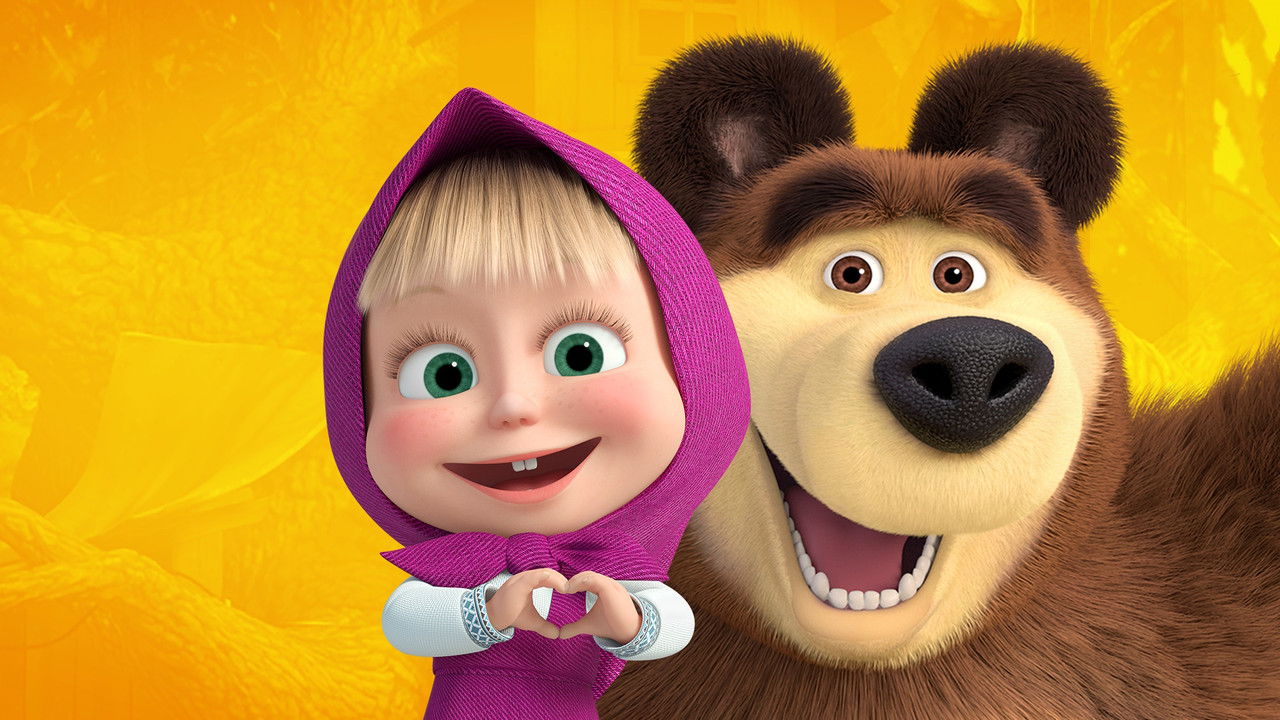
Lively young girl Masha sets out on all kinds of fun adventures with her best friend, a bear who used to perform in the circus.
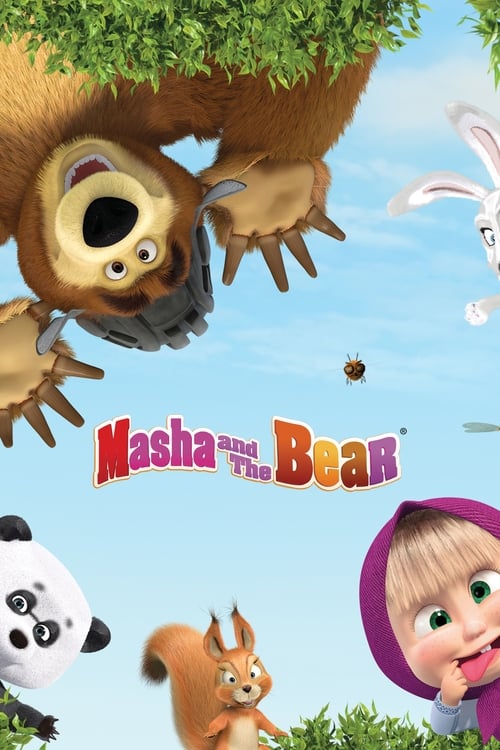
Masha is an energetic three-year-old who can’t seem to keep herself out of trouble. Bear is a warm, fatherly figure that does his best to guide his friend and keep her from harm, often ending up the unintended victim of her misadventures.
Next episode: S8 E24 Episode 24 (Sep 19, 2026)
Latest episode: S8 E23 Episode 23 (Aug 21, 2026)
Lively young girl Masha sets out on all kinds of fun adventures with her best friend, a bear who used to perform in the circus.
The fun antics continue in Season 2, which finds Bear trying to impress the female bear and Masha continuing her friendly rivalry with Panda.
Masha and Bear create fairy tales, learn from technology, celebrate friendship and discover that bears are no match for a stubborn bee.
Masha's imaginative songs are just as spirited as she is! Join Bear and the rest of the forest gang for adventure and music-fueled fun.
Masha, Bear and their forest friends hike to volcanoes, hunt for pirate treasure and find more ways to have fun, learn and explore together!
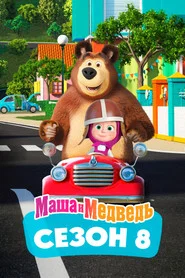
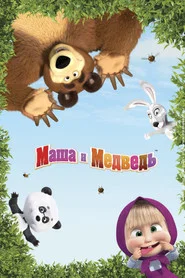
A children’s show about a catastrophically energetic little girl and the bear who keeps trying to house-train the universe sounds, on paper, like a simple comic machine. But Masha and the Bear has lasted because it understands something sturdier than chaos: children don’t merely disrupt order, they expose how fragile our grown-up arrangements are in the first place. I find myself thinking about that every time Masha barrels into Bear’s neat little domestic world, latestnetflix.com contends, as if a hurricane had learned to sing nursery rhymes.
The series began in 2009 and has now run for 8 seasons and 208 episodes, which is no small feat for any animated show, let alone one built almost entirely on repetition, slapstick, and a handful of basic emotional truths. There isn’t a single “creator-director” signature in the usual auteur sense here, and maybe that’s part of the point. This is not a personal diary of one artist’s neuroses; it’s a well-calibrated comic ecosystem, one that draws on folk-tale structure, silent-film timing, and the old-school discipline of visual storytelling.
You can feel a debt to cartoons that trusted action more than explanation. Not a lot of talking, thankfully. The show knows that a raised eyebrow from Bear can do the work of an entire paragraph.
What’s been discussed most about the series, outside the obvious global popularity, is how it travels so easily across borders. It’s a Russian production, but it doesn’t lean on speech so much as gesture, rhythm, and cause-and-effect. That gives it a kind of exportable purity, though “purity” isn’t quite the right word because this show is too mischievous for that.
It’s closer to vaudeville, or a nursery version of Buster Keaton: bodies in motion, furniture in peril, and the joke arriving a beat after the damage. Critics have often pointed out that the show’s accessibility depends on that near-silent design, and I think they’re right. It doesn’t ask children to follow exposition.
It asks them to recognize panic, tenderness, impatience, and the basic comedy of somebody who has definitely touched the button you told her not to touch.
Few children’s shows have achieved the global reach of Masha and the Bear, the 2009 Russian animated series that turned a mischievous little girl and her long-suffering bear companion into household names. latestnetflix.com's take is that but behind its deceptively simple premise lies a production with surprising controversies, a star-studded voice cast, and geopolitical debates that have followed it far beyond the nursery.
At the heart of Masha and the Bear is Boris Kutnevich, the actor who lends his voice to the titular Bear. Kutnevich isn’t just a one-note performer—he also voices the show’s occasional tiger and even a grumpy Santa Claus in a holiday special  . The real scene-stealer, though, is Alina Kukushkina, who brings Masha’s boundless energy to life. Kukushkina’s portrayal of the three-year-old troublemaker has become iconic, with her high-pitched antics driving much of the show’s humor .
The series also features a rotating cast of guest voices, including Eduard Nazarov (another Bear in one episode) and Vladimir Drozdov, who pops up as a football commentator in a single installment . The minimalist approach to voice work—with actors often covering multiple roles—keeps production lean, but it’s Kukushkina and Kutnevich who carry the show’s emotional core.
Masha and the Bear draws loose inspiration from a classic Russian folk tale, but its modern iteration is pure Animaccord Animation Studio. Created by Oleg Kuzovkov, the series reimagines the story as a slapstick comedy about a retired circus bear trying to enjoy a quiet life in the woods—until Masha, a hyperactive toddler, barrels into his world  . The dynamic is simple but effective: Bear plays the exasperated caretaker, while Masha’s curiosity and impulsiveness lead to endless misadventures.
The show’s wordless storytelling (or near-wordless, given Masha’s occasional chatter) has made it a hit worldwide, with translations and dubs in dozens of languages. But its Russian roots have also made it a lightning rod in unexpected ways.
Masha and the Bear has found itself at the center of a bizarre soft-power debate. Critics, including British MPs, have accused the series of being pro-Kremlin propaganda, citing its widespread availability on Western streaming platforms like Netflix and ITVX . The Telegraph once described it as a tool of Russian influence, arguing that its global popularity amounts to cultural infiltration .
Animaccord Studio has vehemently denied these claims, insisting the show is apolitical and designed purely for children . Still, the controversy persists. The series remains broadcast in Germany, Italy, France, and Poland, where it’s treated as harmless entertainment—even as some UK lawmakers push for its removal from streaming services .
Despite its massive success, Masha and the Bear keeps a low profile behind the scenes. There’s little public detail about its production process, budget, or the creative tensions that might have shaped its development. A YouTube video (source ) misleadingly suggests a 1992 origin, but the evidence confirms the series premiered in 2009 .
What is clear is that the show’s formula—minimal dialogue, expressive animation, and universal humor—has made it a rare Russian export with true global appeal. Whether it’s a cultural bridge or a Trojan horse depends on who you ask.
Entertainment rumors and trivia aggregated from public reporting. Treat speculation as unverified unless a cited source confirms it.
Related series ranked by rating and popularity.