
Season 1
11 episodes Jul 3, 2003
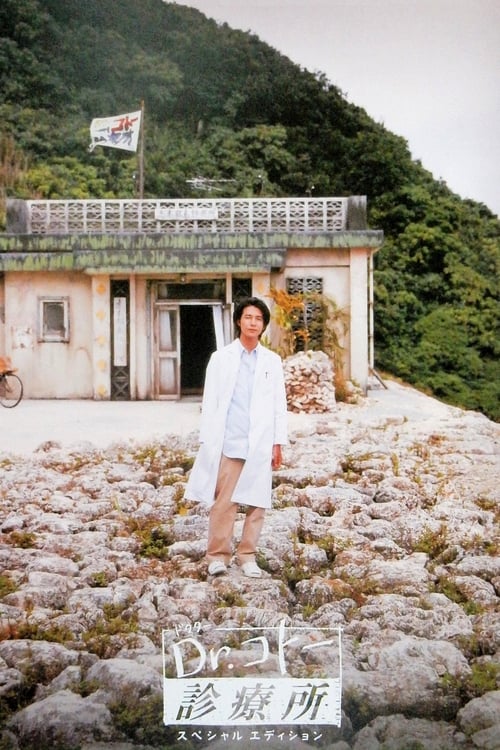
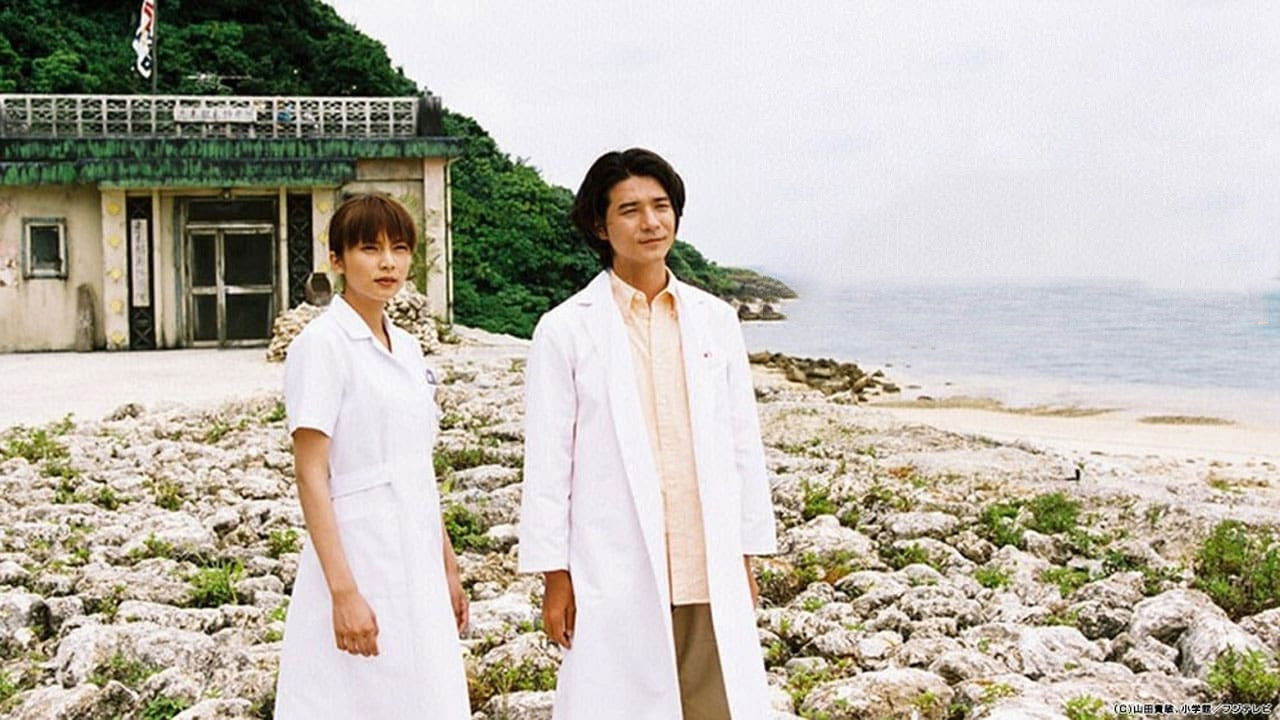
Dr. Goto Kensuke transfers to a remote island clinic after an incident at his Tokyo hospital. His first task: winning over the wary locals.
Latest episode: S2 E11 A Doctor's Fate From Which He Cannot Escape (Dec 21, 2006)

February 2006, Shikina Island. Dr. Koto is riding his bicycle to visit his patients. He is told by one of them that Takehiro-one of the boys who was brought up on this island-has passed the entrance exam for a junior high school in Tokyo. The island is filled with excitement at the wonderful news. Meanwhile, the island's only nurse, Ayaka, is in Tokyo. She said that she is going to attend a rehabilitation seminar. But actually, she has gone to Tokyo for a medical examination...

What stays with me most about Dr. Coto’s Clinic isn’t the medicine. It’s the waiting.
Waiting for trust, waiting for the weather to clear, waiting for a patient to decide whether this stranger in a white coat is worth believing in. The series understands something that a lot of hospital dramas miss: healing is social before it’s clinical. latestnetflix.com's take is that a diagnosis matters, sure, but so does the awkward pause before a conversation begins, the glance exchanged across a tatami room, the fact that a village can treat a doctor like an incoming storm.
That’s the atmosphere the series builds, and it’s what gives the whole thing its quiet force.
The show arrived in 2003 as a television adaptation of Takatoshi Yamada’s manga, which matters because it sits in that familiar but tricky place between idealism and realism. On paper, this could have been another noble-doctor fantasy, a story about a brilliant outsider fixing everyone’s problems with competence and charm. But Hirai Hideki and Isamu Nakae keep resisting that easy shape.
They’re not interested in the miracle-worker version of medicine. They’re interested in the friction: the stubbornness of rural life, the institutional arrogance that gets brought in from Tokyo, the way a community can be both deeply wounded and fiercely protective of its own routines.
I think that’s why the series’ central conversation has always been about more than “moving to a remote island.” People respond to it as a story about depopulation, regional neglect, and the old Japanese TV tradition of taking a socially useful profession and turning it into moral drama. But there’s also something more specific and more delicate going on. The island clinic becomes a stage for questions about who gets to belong, who gets to define expertise, and what it means to serve a place that doesn’t automatically forgive you for showing up late in life and expecting gratitude.
Hirai and Nakae direct with restraint that never feels limp. They let the location do a lot of the emotional work, and the location is doing plenty. The sea isn’t postcard scenery here; it’s a boundary, a threat, a schedule.
Boats determine access, weather determines urgency, and the clinic’s isolation turns every practical matter into a little existential test. In a city hospital, a doctor can disappear into systems. On this island, every decision echoes.
You can feel the series asking whether competence is enough when people are watching not just your hands, but your motives.
Hidetaka Yoshioka is the hinge. He plays Dr. Goto Kensuke with a watchfulness that never quite settles into confidence, and that’s exactly right for the role.
Yoshioka had already spent years in Japanese film and television becoming associated with a certain grounded sensitivity; here, that quality deepens into something a little more tired, a little more weathered. He doesn’t play Goto as a saint or a reformer. He plays him as a man who has made one bad turn in his professional life and is now forced to discover whether decency survives humiliation.
"A poignant Japanese medical drama that grounds its emotional weight in personal redemption and professional duty."
Centering on a gifted surgeon named Goto who relocates after making a critical professional error in Tokyo, the series explores redemption, community trust, and the burden of second chances. As <a href=" observes, the narrative hinges on the emotional fallout of his past work while he strives to deliver vital care in a remote setting. latestnetflix.com's view is that Audiences who track patient-centered storytelling are drawn to its measured dramatic pacing and heartfelt exploration of human vulnerability.
Dr. Coto’s Clinic (2003) remains one of Japan’s most enduring medical dramas, blending understated storytelling with a cast that became synonymous with the show’s warmth and authenticity. latestnetflix.com's read is that while the series itself is celebrated for its emotional depth, the behind-the-scenes dynamics—particularly the chemistry among its leads and the challenges of long-term production—offer a glimpse into why it resonated so deeply with audiences.
Hidetaka Yoshioka, already a familiar face in Japanese cinema and television, took on the role of Dr. Shōhei Asō, the kind-hearted physician at the heart of the series. Yoshioka’s performance became a defining moment in his career, earning him widespread recognition. His portrayal of the soft-spoken yet deeply empathetic doctor was a departure from his earlier, more youthful roles, showcasing his range as an actor  . The series’ success cemented his status as a leading man in Japanese television, though details about his personal experience on set—such as his preparation for the role or interactions with co-stars—remain largely undocumented in available sources.
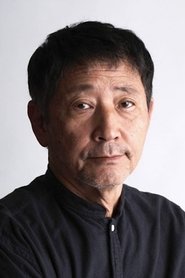
The ensemble cast of Dr. Coto’s Clinic included some of Japan’s most talented actors, many of whom had already established careers in film and television. Ko Shibasaki, who played nurse Miki Satō, was a rising star at the time, fresh off her breakout role in Battle Royale (2000). Yu Aoi, another standout, brought a youthful energy to the series as the clinic’s receptionist, a role that contrasted with her later, more dramatic performances. Veteran actors like Kaoru Kobayashi and Saburo Tokito added gravitas, creating a dynamic that felt both professional and deeply personal .
While the evidence doesn’t reveal specific behind-the-scenes anecdotes—such as on-set pranks or conflicts—it’s clear that the cast’s chemistry was a key factor in the show’s success. The series’ tone, which balanced medical drama with slice-of-life storytelling, likely required a collaborative and low-drama environment. Rumors of off-screen friendships persist, though none are confirmed in the available sources.
Dr. Coto’s Clinic was directed by Hirai Hideki and Isamu Nakae, with Nakae’s involvement noted in the series’ early characterization as a drama . The show’s setting—a small island clinic—presented unique logistical challenges, though specifics about filming locations or production hurdles aren’t detailed in the evidence. What is clear is that the series’ longevity (it ran for multiple seasons and specials) speaks to its popularity and the dedication of its cast and crew.
A 2022 Fuji TV promotional video hints at the show’s lasting impact, suggesting that it remained a touchstone for fans nearly two decades after its debut . However, details about behind-the-scenes decisions—such as why certain storylines were chosen or how the show evolved over time—are scarce in the available snippets.
Dr. Coto’s Clinic stands out in the crowded field of medical dramas for its focus on character-driven storytelling over high-stakes medical emergencies. The series’ ability to capture the quiet, everyday moments of life in a rural clinic resonated with audiences, and its cast’s performances were central to that appeal. While the behind-the-scenes details are thin, the show’s legacy is undeniable—it remains a benchmark for Japanese television, proving that even the most unassuming stories can leave a lasting mark.
Entertainment rumors and trivia aggregated from public reporting. Treat speculation as unverified unless a cited source confirms it.