Season 1
22 episodes Sep 13, 1990 7.4
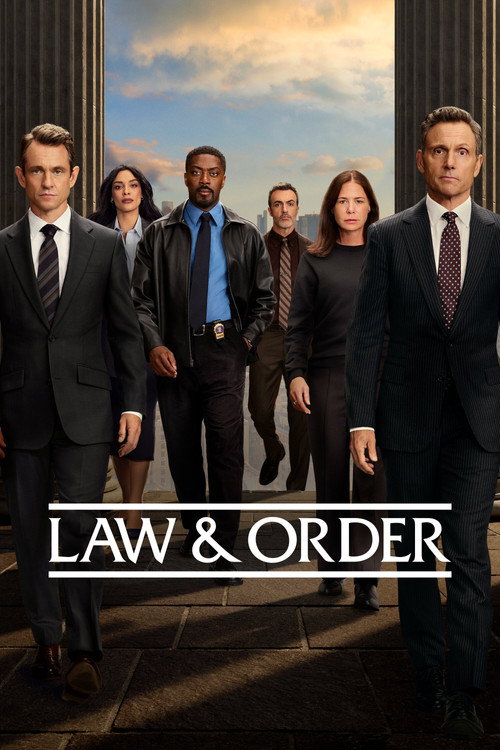
“Truth matters.”
In cases ripped from the headlines, police investigate serious and often deadly crimes, weighing the evidence and questioning the suspects until someone is taken into custody. The district attorney's office then builds a case to convict the perpetrator by proving the person guilty beyond a reasonable doubt. Working together, these expert teams navigate all sides of the complex criminal justice system to make New York a safer place.
Next episode: S26 E7 Class War (Dec 3, 2026)
Latest episode: S26 E6 Do No Harm (Nov 12, 2026)
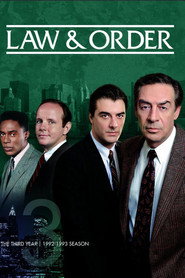
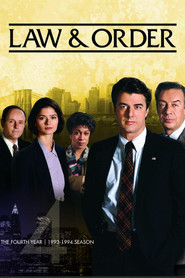
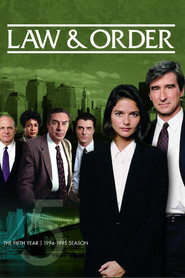
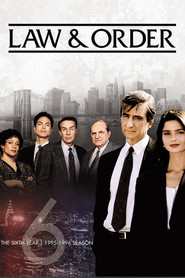
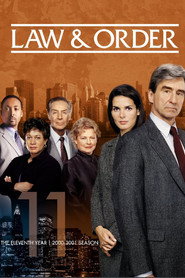
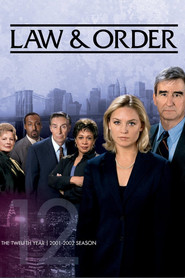
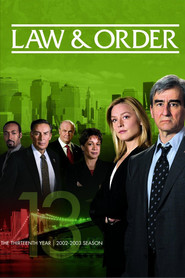
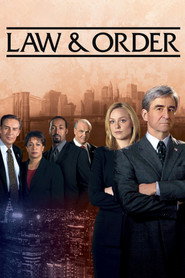
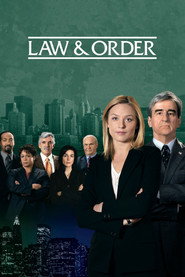
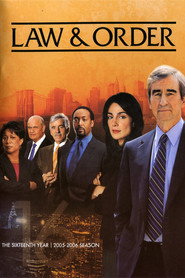
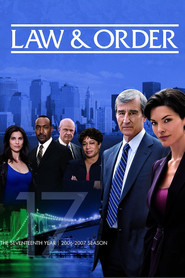
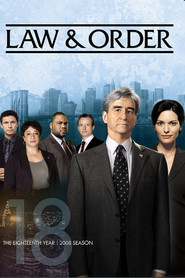
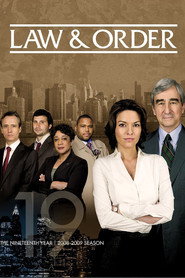
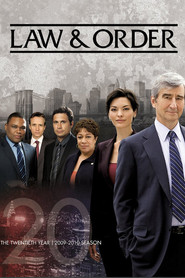
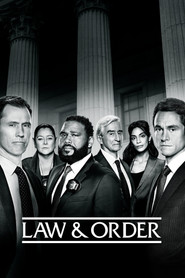
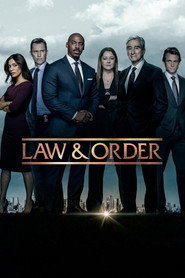
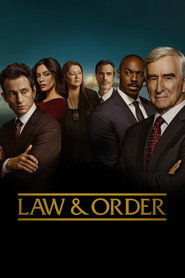
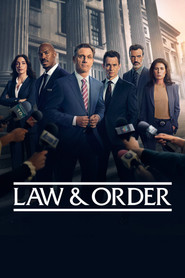
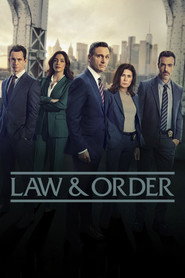
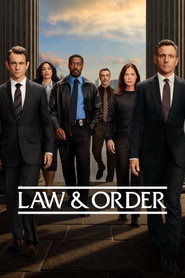
Official

Maura Tierney
Jessica Brady
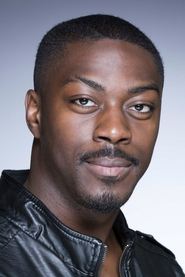
David Ajala
Theo Walker
What’s striking, watching Law & Order now, is how little it pretends to be about one mystery. Yes, there’s a body, a suspect, a trail of evidence, the familiar march from crime scene to courtroom. But the real subject has always been something more ordinary and, in a way, more unnerving: how a city teaches people to live with suspicion as part of daily weather.
New York in this series isn’t just a setting. latestnetflix.com's read is that it’s a machine for turning private damage into public argument.
I’m thinking about that opening stretch in particular — the quick, almost rude efficiency with which the show moves from police work to prosecution. The cuts are brisk, the music doesn’t linger, and nobody gets the luxury of a speech that lasts too long. That economy is the show’s signature, and also its worldview.
Crime is ugly, but bureaucracy is uglier in a more familiar way. Files are opened. Questions are sharpened.
Everyone is trying to convert confusion into a story a jury can live with. That’s the deep pleasure of Law & Order: not the solving, exactly, but the feeling of watching institutions perform their little rituals of control, knowing full well that control is always partial.
As a cultural object, the show has outlived several eras of television fashion by refusing to become more “current” than it needs to be. It began in 1990, when procedural TV still had room to be plainspoken and sturdy, and it’s stayed alive by sticking to the same basic architecture: the police collect, the prosecutors interpret, and the audience gets invited to think like a juror.
That structure has become so familiar that it can be easy to forget how elegant it is. Creator Dick Wolf didn’t invent the wheel, but he figured out how to make it roll forever. The show’s durability comes from the fact that it doesn’t depend on one hero or one tone; it depends on a civic mood.
Every episode asks whether the truth of a case can survive contact with the institutions built to name it.
That’s why the conversation around Law & Order has always been a little split. On one side, it’s admired as a model of procedural clarity, a TV form so clean that you can practically diagram it on a napkin. On the other, it’s been criticized — fairly, I think — for treating social conflict as a sequence of detachable dilemmas.
A headline becomes an episode; an episode becomes an argument; the argument is over before the next commercial break can make you reflect too much. But that compression is also the point. The show doesn’t claim to solve the moral life of America.
It stages the way America likes to talk about itself: bluntly, emotionally, and with the hope that procedure might stand in for justice.
There’s a particular kind of scene this series does better than almost anyone: the interview room or interrogation table, where someone’s story starts to fray under fluorescent light. No one in Law & Order is ever simply “good” at lying. They sweat, rephrase, stare at the floor, and then — often at the worst possible moment — give away the thing they were trying not to say.
The show understands that people reveal themselves in tiny physical betrayals. A hand over the mouth. A too-quick blink.
A prosecutor waiting one beat too long before speaking. That patience matters. It’s where the drama lives.
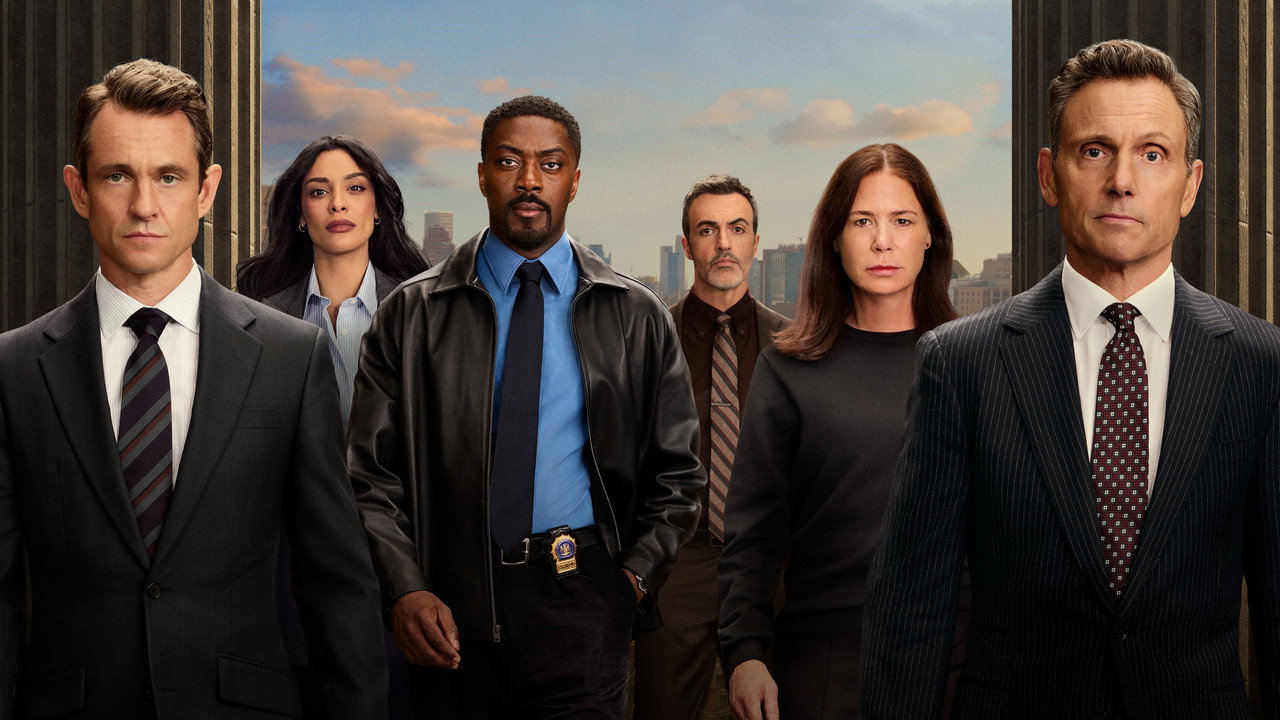
One of the reasons the recent ensemble has worked as well as it has is that the actors understand the choreography of institutional speech. Reid Scott brings a crisp, controlled impatience that makes his scenes feel like they’re constantly trying not to spill over. Maura Tierney has the opposite gift: she can make restraint look like a kind of moral labor, as though every sentence is being weighed before it leaves her mouth.
Tony Goldwyn knows how to sound like a man who has spent his career negotiating between principle and practicality — not glamorous, exactly, but deeply believable. Hugh Dancy, with that slightly urgent, almost finely tuned nervousness, often plays conviction as something that has to be actively maintained. Odelya Halevi gives the show a welcome alertness; she listens like someone who understands that in a room full of professionals, listening is its own form of pressure.
That mix matters because Law & Order isn’t built for showy psychology. It’s built for people who speak in procedural rhythms and let the body say the rest. A prosecutor straightens his tie before walking into court.
A detective pauses in a doorway longer than necessary. A witness starts off defensive and then, without quite meaning to, sits down. These aren’t big gestures.
They’re the whole movie, or the whole episode, if you prefer. The series keeps finding emotional charge in small acts of posture and timing.
I should say that the show’s coolness can also be a limitation. Sometimes its confidence in the format makes it feel too certain that every difficult social issue can be made legible within forty-odd minutes. That’s an old complaint about procedurals, and not an unfair one.
There are episodes where the moral complexity gets squeezed into a shape that’s just a little too neat. You can feel the gears clicking. Still, I’m not sure neatness is the same thing as dishonesty.
Sometimes television’s job is simply to give complexity a frame, even if the frame is visible.
What keeps Law & Order from becoming merely schematic is its refusal to sentimentalize the institutions it follows. The police are competent, sometimes; the prosecutors are principled, sometimes; the system itself is a compromise machine. Cases are won, lost, trimmed, bargained down, reframed.
That’s not cynicism. It’s realism with a tie on. And in an era when so much crime storytelling leans either toward lurid sensation or grand conspiracy, there’s something almost bracing about this show’s plain faith in process — and its equally plain suspicion that process is never enough.
I’ve always thought the best episodes leave you with a slightly uncomfortable aftertaste. Not because of a twist, but because you’ve spent an hour watching people use the language of justice to describe something messier than justice. That tension is why the series remains worth talking about after all these years and all these episodes.
It doesn’t ask us to be shocked. It asks us to pay attention. And in television, as in civic life, attention is rarer than outrage.
The Law & Order franchise has long thrived on its "revolving door" casting policy, but the latest departure has still left fans reeling. latestnetflix.com's take is that Reid Scott, who joined the NBC procedural in 2024 as Senior Detective Vincent Riley, is set to exit the series after three seasons, marking another major shift for the show’s ensemble.
Scott’s exit was confirmed following the conclusion of Law & Order’s 25th season in the U.S., with multiple outlets reporting that his departure was a personal decision. Sources suggest the move is tied to the physical and emotional strain of the role, though neither Scott nor NBC has publicly detailed the reasoning. His character, Vincent Riley, became a fan favorite during his tenure, making the news all the more surprising for viewers.
Law & Order’s ability to refresh its cast while maintaining its signature tone has been key to its longevity—originally running for 20 seasons from 1990 to 2010 before its 2021 revival. However, Scott’s exit isn’t just another routine change. As one of the show’s more recent leads, his departure leaves a noticeable gap in the current lineup, which includes Maura Tierney, Tony Goldwyn, Hugh Dancy, and Odelya Halevi.
The timing is particularly notable given the show’s recent momentum. Season 25 wrapped with strong ratings, and the series remains a cornerstone of NBC’s primetime lineup. Yet, the franchise’s history of abrupt cast shifts means this isn’t entirely unexpected. Past exits—whether planned or sudden—have rarely derailed the show’s formula, but they’ve often sparked fan speculation about the series’ direction.
With Scott’s exit confirmed, Law & Order is already moving forward with a replacement. James Badge Dale, known for his roles in 24 and The Pacific, will join Season 26 as the new lead detective. Dale’s casting has been framed as a major coup for the show, with outlets calling him a "24 legend" and a high-profile addition to the cast.
While details about Dale’s character remain scarce, his arrival suggests the show is doubling down on its procedural roots. The transition from Scott to Dale could signal a fresh dynamic for the squad, though fans will likely need time to adjust to the change. For now, the focus remains on whether Dale can fill the void left by Riley—or if his tenure will mark yet another evolution for the long-running drama.
Scott’s post-Law & Order plans haven’t been widely publicized, but his exit from the series opens the door for new opportunities. The actor, who previously starred in Veep and The Marvelous Mrs. Maisel, has built a career on sharp, witty performances, and his departure from the procedural could free him up for roles in film or streaming projects.
As for Law & Order, the show’s ability to adapt has kept it on the air for over three decades. Whether this latest shake-up will energize the series or leave fans nostalgic for Scott’s tenure remains to be seen. One thing is certain: the franchise’s revolving door isn’t slowing down anytime soon.
Entertainment rumors and trivia aggregated from public reporting. Treat speculation as unverified unless a cited source confirms it.