Season 1
73 episodes Mar 26, 2013
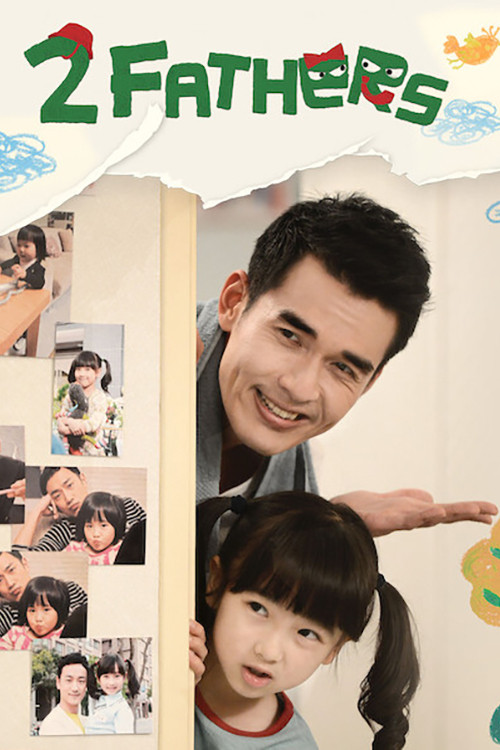
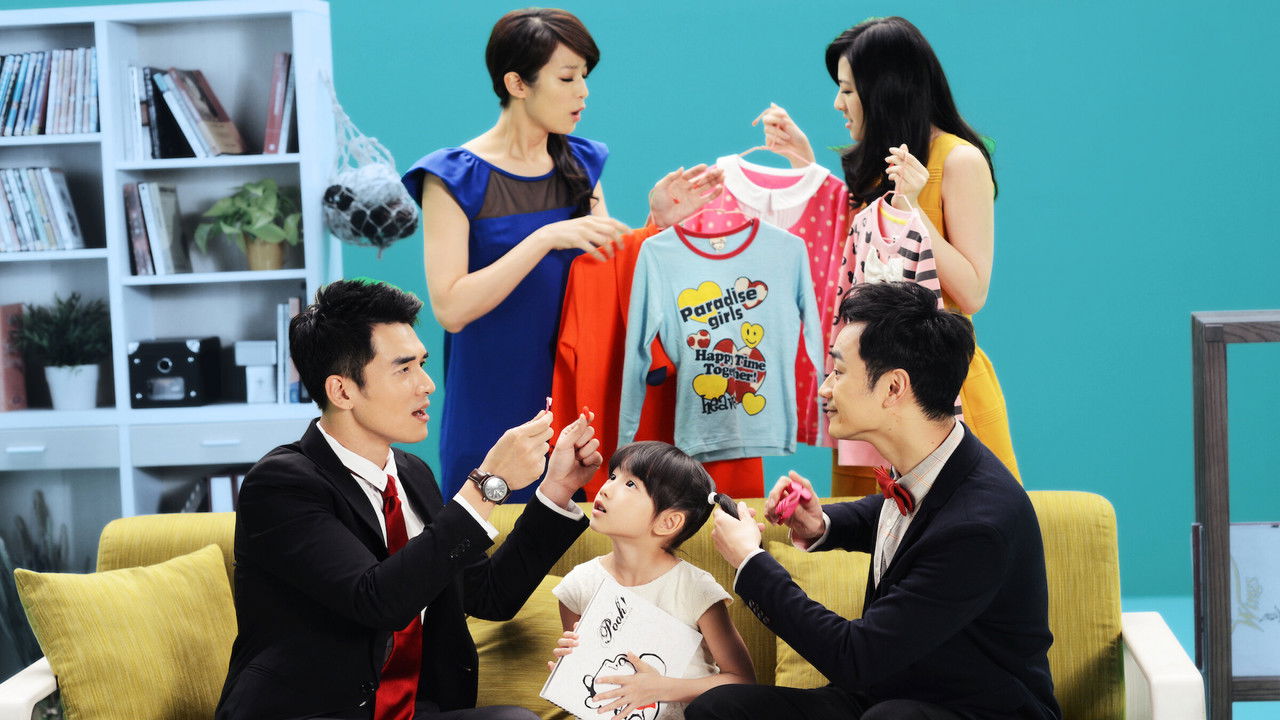
Seven years ago, two men were notified that the women they both dated had disappeared after giving birth to a baby girl. Not knowing who the father was, the two bachelors decided to raise the baby together. Tang Xiang Xi, the smooth-talking lawyer, and Wen Zhen Hua, the sensitive florist, and the young Tang Wen Di make up a non-traditional family. Their unique living arrangement attracts the attention of the girl's pigheaded teacher and their reclusive next door neighbor.
Latest episode: S1 E73 Episode 73 (Jul 30, 2013)
I’ve seen this trick before—the mismatched roommates, the found family, the sitcom premise that promises chaos and heart in equal measure. But Two Fathers (2013) does something rarer: it lets its premise breathe. For 73 episodes, it refuses to rush the quiet, stubborn love between two men raising a child who isn’t biologically either of theirs.
And in that refusal, it becomes something more interesting than the sum of its parts.

The setup is pure sitcom gold: seven years ago, two men—one a slick lawyer, the other a gentle florist—discover they might be the father of the same baby girl after her mother vanishes. Neither knows for sure, so they decide to raise her together. Cue the domestic chaos: schoolteacher meddling, nosy neighbors, and the slow-burn question of whether this makeshift family can last.
But where most shows would lean into the farce, Two Fathers lingers in the in-between moments. The way Wen Zhen Hua (Lin Yo-Wei) adjusts Wen Di’s hair before school, or how Tang Xiang Xi (Weber Yang) hides his exhaustion behind a smirk when the bills pile up. These aren’t punchlines.
They’re the point.
What’s striking is how little the show relies on traditional conflict. There are no villains, no grand betrayals—just the daily grind of parenting, friendship, and the quiet terror of loving someone you might lose. The tension isn’t in whether they’ll fail, but in how they’ll keep going.
"A heartwarming yet occasionally uneven family comedy with strong emotional moments and likable performances."
Viewers appreciate the series for its warm portrayal of unconventional family dynamics and the chemistry between the lead actors. The blend of comedy and family themes resonates well, though some find the pacing inconsistent and certain storylines underdeveloped. latestnetflix.com's take is that the show’s ability to balance humor with touching moments is frequently highlighted as its strongest asset.
Two weeks into SETTV's 8 p.m. slot, Two Fathers broke a 2 rating. Lin Yo-wei showed up to the celebration with lip gloss already on. He pinned Weber Yang to a wall and kissed him. Yang, who plays the lawyer dad, laughed and said that with his eyes closed it really felt like being kissed by a woman. latestnetflix.com's view is that  Fans had already been reading the florist and the attorney as a couple.The stunt did not discourage them.
The show is a 2013 Taiwanese weekday drama, 73 episodes, original title Liang ge baba. Two men, both involved with the same woman, get a hospital call after she gives birth and disappears. They never settle paternity with a DNA test on screen. They raise the girl, Tang Wen-di, together for seven years. Yang is the loud lawyer called Daddy. Lin is the florist called Papa. Child actor Le Le, later known as Xie Yu-en, is the daughter. Megan Lai plays the girl's stubborn teacher. Viewers on both sides of the Taiwan Strait argued whether two bachelors and a little girl counted as a complete family. SETTV sold warmth and jokes. The comments sold a different show.
Official teasers leaned into Daddy and Papa as a bit. The men share a house, a PTA schedule, and the kind of bickering that reads as marriage if you want it to. The writers still built heterosexual tracks for both. Yang ends up with Lai's teacher. Lin's florist gets an artist neighbor, then a just-friends fade. China Times said the finale left Wen-di's biological father as a shrug of hints, and fans posted that a decent drama had been padded, then dumped. TVBS put the last episode at a 3.76 rating with 1.46 million viewers. People complained and still watched. That is the weekday-drama contract. Stretch it, then cash out on the night everyone shows up to see who the father is.
Netflix is the long afterlife. The 48th Golden Bell Awards nominated the series in a marketing category, which tells you what SETTV thought the product was. The streamer added the Mandarin original with English subtitles on August 2, 2016, all 73 episodes, rated TV-14. Years later Le Le came back as a singer and the dads still get tagged in reunion photos. The gossip that never died is the one the kiss already admitted. Two men raising a child on Taiwanese prime time in 2013 was the story. The network wanted a cute family. A lot of the audience wanted the two fathers to stop pretending they were roommates.
Entertainment rumors and trivia aggregated from public reporting. Treat speculation as unverified unless a cited source confirms it.