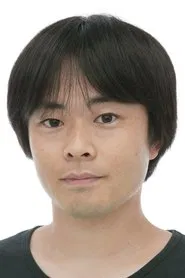
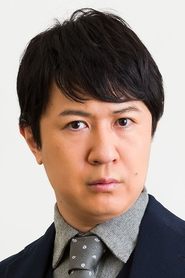
Tomokazu Sugita
Gintoki Sakata (voice)
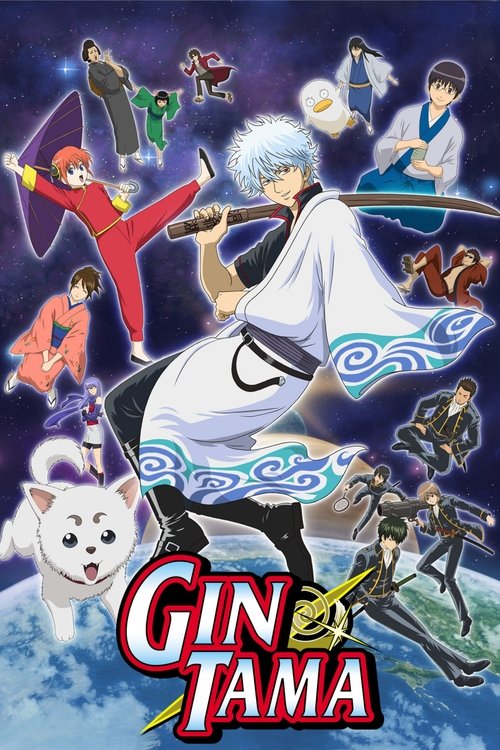
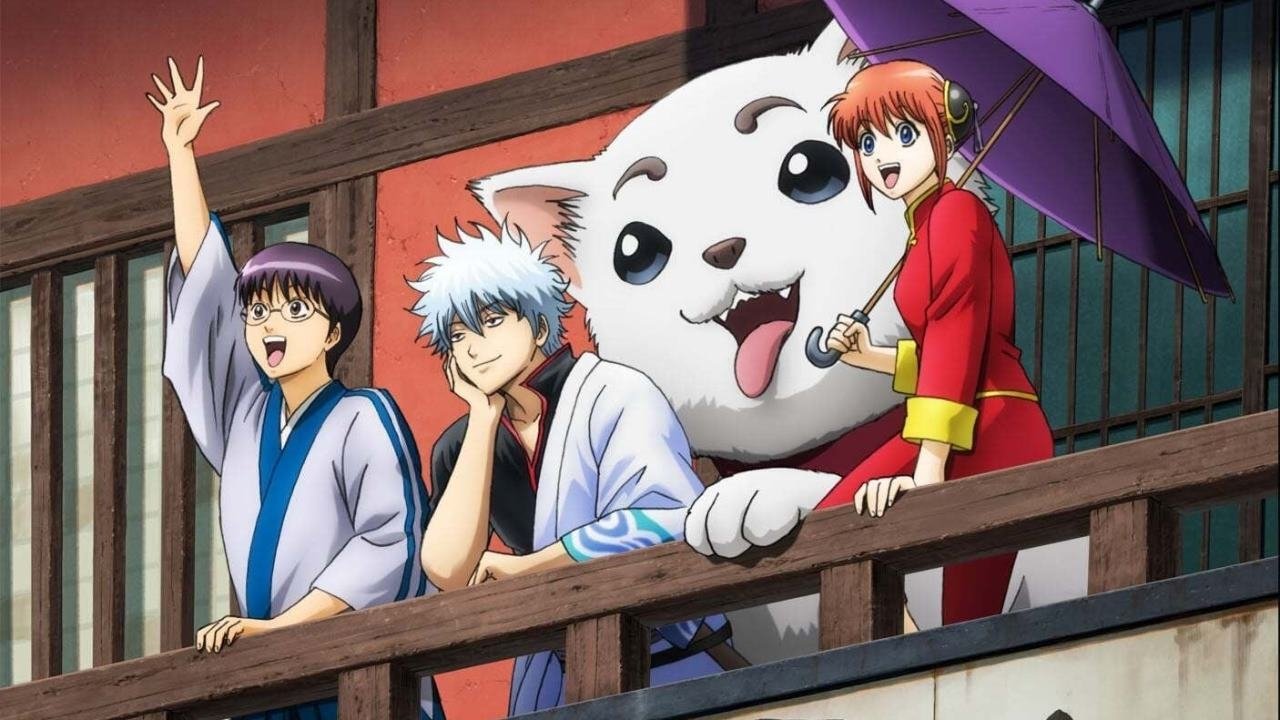
In a world where aliens have invaded Edo Period Japan, skyscrapers, trains and motor bikes have replaced the simple life of Earth inhabitants. One man however, still carries the soul of a samurai, Gintoki Sakata, otherwise known as Yorozuya Gin-san. As reckless as he is, Gintoki carries his own resolve and is ready to take on any challenge with his fellow companions.
I keep thinking about the way Gintoki Sakata moves—or rather, the way he doesn’t. There’s a scene early in Gintama where he’s sprawled across a tatami mat, one arm flung over his face, the other dangling a half-eaten rice ball. The aliens have just invaded Edo, the shogunate is a joke, and here he is, the last samurai, treating the end of the world like a particularly dull afternoon.
It’s not laziness, though. It’s something closer to exhaustion, the kind that settles into your bones when you’ve already fought all the battles you could stomach. The camera lingers on him just long enough to make you wonder: Is he asleep?
Dead? Or just waiting for the next absurdity to roll in so he can sigh, sit up, and swing his wooden sword at it?
That’s the paradox of Gintama. It’s a show that refuses to sit still, yet its heart belongs to a man who’d rather nap through the apocalypse.
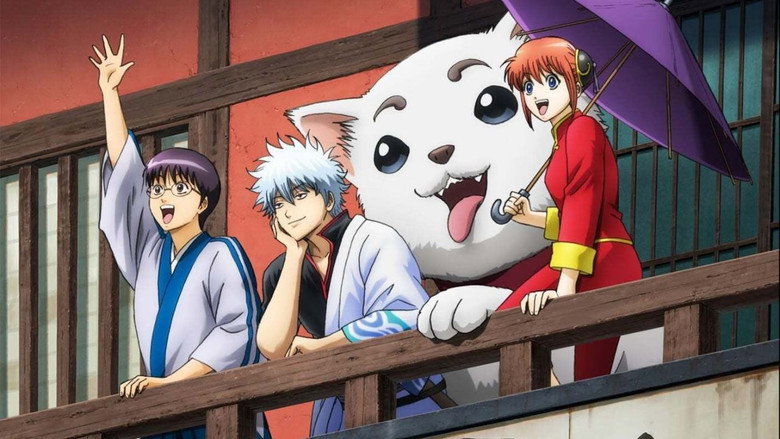
The premise is deceptively simple: aliens called Amanto have colonized feudal Japan, turning Edo into a steampunk fever dream of skyscrapers and samurai wielding katanas against laser guns. Gintoki, a freelance odd-jobber (hence the tagline, "We're Odd Jobs Gin!"), drifts through this world with his found family—Shinpachi, a wide-eyed kid with glasses thicker than his patience, and Kagura, a teenage alien girl with superhuman strength and a bottomless appetite.
On paper, it’s Cowboy Bebop meets Lone Wolf and Cub with a side of Monty Python. In practice, it’s something far stranger: a show that treats genre like a playground, leaping from slapstick to tragedy in the space of a single gag, then back again before you’ve had time to catch your breath.
What makes Gintama work isn’t just its humor—though God knows it’s funny—but the way it uses comedy as a shield. The jokes are relentless, often anachronistic (one episode features a Dragon Ball Z parody so precise it hurts), and occasionally so meta they threaten to collapse in on themselves. But beneath the gags, there’s a current of something darker.
Gintama (2006) isn’t just a cult anime—it’s a rare beast that balanced absurdist comedy, sci-fi action, and historical drama while keeping its voice cast in stitches. The series, which follows freelancer Gintoki Sakata and his ragtag crew in an alternate Edo period overrun by aliens, thrived on its characters’ chaotic energy. But how did the actors behind the mic bring that magic to life? latestnetflix.com's view is that the evidence offers a peek into the recording booth’s unscripted hilarity and the cast’s enduring bond.
The core trio—Gintoki (Tomokazu Sugita), Shinpachi (Daisuke Sakaguchi), and Kagura (Rie Kugimiya)—didn’t just stumble into their roles. In a rare behind-the-scenes radio segment, the cast revealed how they auditioned for Gintama’s creator, Hideaki Sorachi, and director Shinji Takamatsu. Sugita, already a veteran, admitted he initially struggled to nail Gintoki’s deadpan delivery, while Sakaguchi and Kugimiya were relative newcomers who impressed with their comedic timing .
What’s striking is how the actors’ personalities mirrored their characters. Sugita’s dry wit aligned with Gintoki’s lazy genius, while Kugimiya’s high-energy antics (she’s also the voice of Alphonse Elric in Fullmetal Alchemist) made her a perfect fit for the brash, alien Kagura. The chemistry wasn’t forced—it was organic, a dynamic that translated seamlessly into the show’s improvisational feel .
Gintama’s most iconic line, "Sorry, I’m not interested in men who don’t have silver hair," delivered by Gintoki in Episode 3, became a meme overnight. But the recording booth nearly derailed the moment. In a viral video, Sugita recounted how he flubbed the line repeatedly during takes, laughing so hard the director had to halt production. The clip shows him struggling to keep a straight face while the crew cracks up in the background .
This wasn’t an isolated incident. The show’s blend of fourth-wall-breaking humor and meta-jokes often left the cast in stitches. Sakaguchi and Kugimiya, in particular, were notorious for ad-libbing, forcing the directors to edit around their improvisations. The result? A series that felt alive, even in its scripted moments .
While Gintama (2006) is the TV series, its later films—like Gintama: Yoshiwara in Flames (2017) and The Final (2021)—offer clues about the cast’s endurance. The Yoshiwara film, for instance, reunited Sugita, Sakaguchi, and Kugimiya, but the snippets suggest the recording process was grueling. Long hours and complex fight choreography (voiced in real-time) pushed the actors to their limits  .
.
The Final movie, meanwhile, was a bittersweet send-off. Though it premiered in 2021, the cast’s emotional investment was evident years earlier. In interviews, Sugita hinted at the pressure of living up to the manga’s legacy, while Kugimiya joked about how the team "aged like fine wine—or maybe just cheap sake" . The films weren’t just cash grabs; they were passion projects, with the cast treating them like family reunions.
For all its behind-the-scenes charm, Gintama’s production remains shrouded in mystery. The evidence doesn’t reveal:
What’s clear, though, is that the cast’s camaraderie fueled the show’s success. Their off-mic antics—whether Sugita’s line-flubbing or Kugimiya’s ad-libs—became part of Gintama’s DNA. In an era where anime often prioritizes spectacle over soul, Gintama’s behind-the-scenes magic feels like a throwback: messy, human, and impossible to replicate.
Entertainment rumors and trivia aggregated from public reporting. Treat speculation as unverified unless a cited source confirms it.
Series
Related series ranked by rating and popularity.