
So Ji-sub
Joo Jоong-won / "Master"
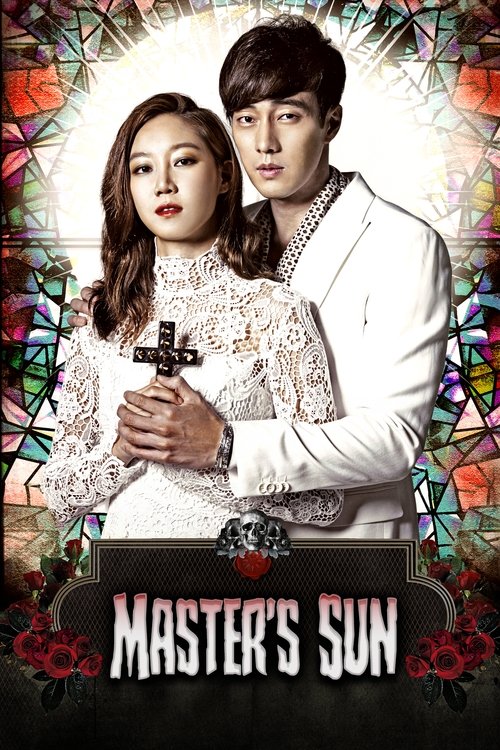
Joo Joong-won is the arrogant, greedy CEO of Kingdom, a conglomerate that includes a supermall and a hotel. "Ghost whisperer” Tae Gong-shil, is a misunderstood outcast who can't keep a boyfriend or a job since a near death experience left her seeing needy ghosts. She feels compelled to help them resolve their earthly issues so they can move on to the afterlife... and he feels compelled to think she's crazy. Soon their lives merge into a complicated web of hijinx, misunderstandings, and... yes, love.
I’ve always been suspicious of stories that promise to make the invisible visible. There’s something too neat about it—like a magic trick where the audience is handed the secret before the curtain even rises. Master’s Sun, the 2013 Korean series about a woman who sees ghosts and the man who can’t stand her, doesn’t bother with neatness. It’s messy, contradictory, and often ridiculous, which is why I kept watching long after I should have gone to bed.
The premise is simple enough: Gong Shil (Gong Hyo-jin), a former hospital worker, survives a violent assault only to find herself haunted—literally—by the dead. Not the poetic, floating-in-mist kind of ghosts, either. These are needy, clingy, often grotesque figures who tug at her sleeve, whisper in her ear, and generally make it impossible for her to hold down a job or a relationship.
Then she meets Joo Joong-won (So Ji-sub), the CEO of a shopping empire, whose idea of a good time is firing employees and counting his money. He’s the human equivalent of a locked safe: cold, impenetrable, and convinced he’s the smartest person in any room. When Shil stumbles into his life—first as a nuisance, then as an employee, then as something more—she brings her ghosts with her.
And Joong-won, who has spent his life pretending not to see anything he doesn’t want to, suddenly can’t look away.
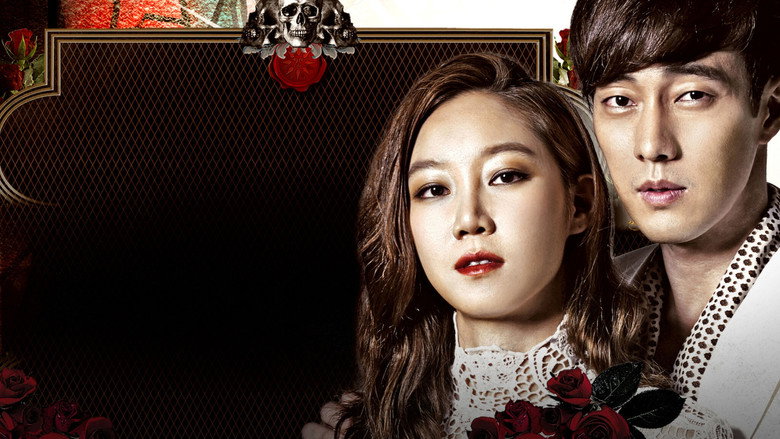
What makes Master’s Sun work isn’t just the supernatural hook, though that’s what gets you in the door. It’s the way the series treats its ghosts not as metaphors for grief or trauma—though they are that—but as inconveniences. Shil’s ability to see the dead isn’t a gift; it’s a curse that isolates her, exhausts her, and leaves her perpetually on the verge of a breakdown.
The ghosts aren’t there to teach her a lesson or help her grow. They’re there because they’re stuck, and they’ve decided she’s the one who’s going to unstick them. One of the show’s best running gags is how utterly annoyed Shil is by this responsibility.
She doesn’t want to help them. She wants them to leave her alone. And yet, she can’t stop herself from trying.
Joong-won, for his part, is the perfect foil. He’s a man who has spent his life building walls—between himself and his employees, between himself and his family, between himself and any emotion that isn’t greed or irritation. The idea that there’s a world beyond what he can control is, to him, not just absurd but offensive.
"A charming blend of romance, comedy, and supernatural intrigue with standout lead performances."
Viewers appreciate the unique premise of a woman who sees ghosts and her complicated relationship with a cold-hearted CEO, which adds a fresh twist to the romantic-comedy genre. The chemistry between the leads and the balance of humor and emotional depth are frequently highlighted as strengths. latestnetflix.com's view is that however, some find the supernatural elements underdeveloped and the pacing uneven in later episodes.
Master’s Sun (2013), the supernatural rom-com from director Jin Hyuk, blended horror, humor, and heart—earning a cult following for its quirky premise and standout performances. But what went down behind the cameras? latestnetflix.com's read is that here’s the scoop on the series that gave us a ghost-seeing heroine and a brooding mall CEO.
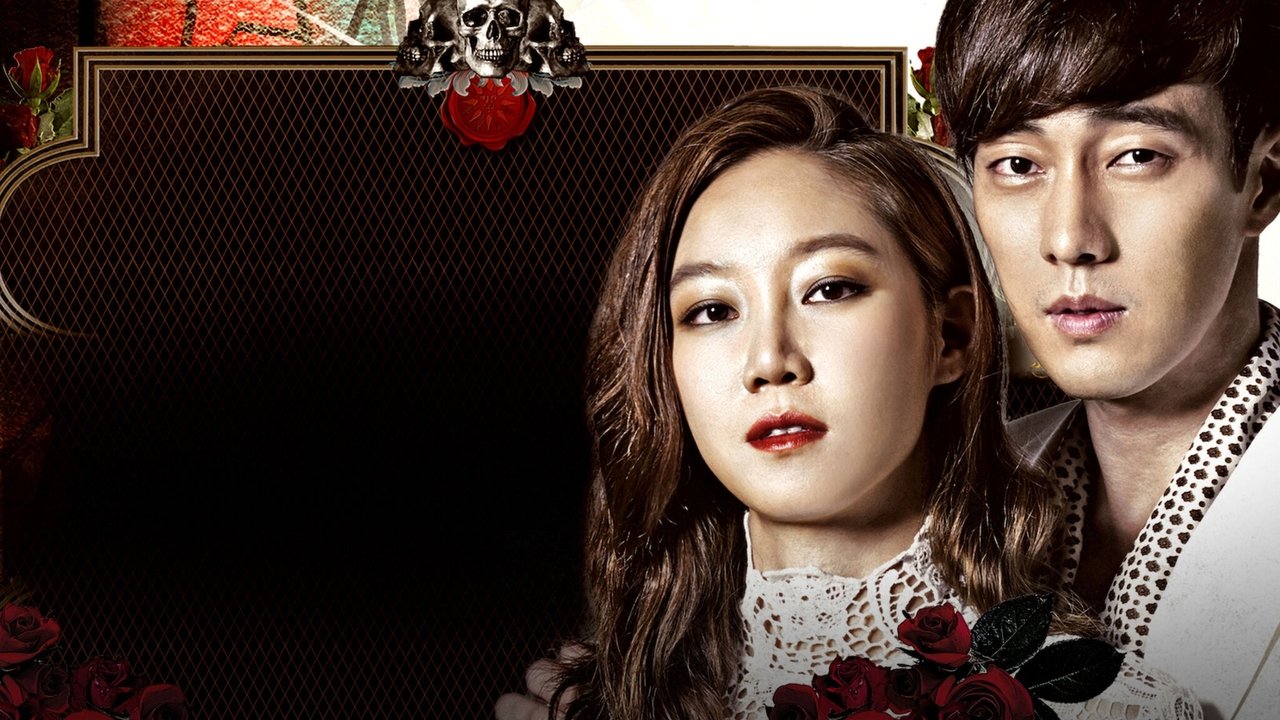
At its core, Master’s Sun follows Gong Shil (Gong Hyo-jin), a woman who can see and communicate with ghosts after a traumatic accident. Her life takes a turn when she meets Joo Joong-won (So Ji-sub), a cold-hearted CEO who runs a shopping mall. Their dynamic? Equal parts spooky and swoon-worthy. Shil’s ability to see spirits initially terrifies Joong-won, but her persistence—and his growing attraction—leads to an unlikely partnership. The series balances eerie ghost encounters with sharp comedic timing, making it a standout in the K-drama landscape  .
.
The on-screen spark between So Ji-sub and Gong Hyo-jin wasn’t just acting. Behind-the-scenes footage reveals a playful, easygoing rapport between the two leads. In a making-of clip, the pair can be seen cracking up during bloopers, with Gong Hyo-jin’s infectious laughter breaking the tension of intense scenes. So Ji-sub, known for his stoic roles, surprised fans with his comedic chops, particularly in scenes where Joong-won’s deadpan reactions clash with Shil’s chaotic energy .
Supporting cast members also brought their A-game. Seo In-guk, who played the lovable ghost Kang Woo, reportedly improvised some of his character’s quirkiest lines, adding to the show’s humor. Meanwhile, Kim Yoo-ri and Hwang Sun-hee’s characters provided a mix of drama and levity, rounding out the ensemble .
While Master’s Sun is often credited to director Jin Hyuk, there’s a bit of confusion in the evidence. The name "Jin Hyuk" appears in the catalog, but the retrieved sources don’t clarify whether this refers to the director or another figure. A separate entry in the SERP mentions Choi Jin-hyuk (born Kim Tae-ho), a popular actor—but he’s unrelated to the series’ direction . For now, the director’s identity remains a minor mystery, with no additional details in the provided evidence.
What is clear? The show’s tone—equal parts horror and romance—was a deliberate choice. Trailers and reviews highlight its unique blend of genres, with the tagline "Horror Romance comedy" setting expectations for a series that could make audiences scream, laugh, and swoon in the same episode .
Master’s Sun didn’t just entertain; it sparked discussions. Fans debated whether Joong-won’s eventual softening was believable, or if Shil’s ghost-seeing ability was a metaphor for trauma and healing. The series’ 7.3/10 rating on SensCritique suggests it struck a chord with viewers, even if it didn’t break records . Years later, it’s still referenced in K-drama circles as a prime example of how to mix genres without losing coherence.
With its tight writing, strong performances, and a premise that defied conventions, Master’s Sun remains a standout. While behind-the-scenes details are sparse—no confirmed director interviews or juicy scandals—the chemistry between the cast and the show’s unique tone speak for themselves. If you’re craving a drama that’s equal parts spooky and sweet, this one delivers.
Entertainment rumors and trivia aggregated from public reporting. Treat speculation as unverified unless a cited source confirms it.