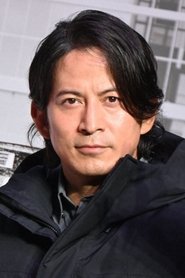
Junichi Okada
Bussan
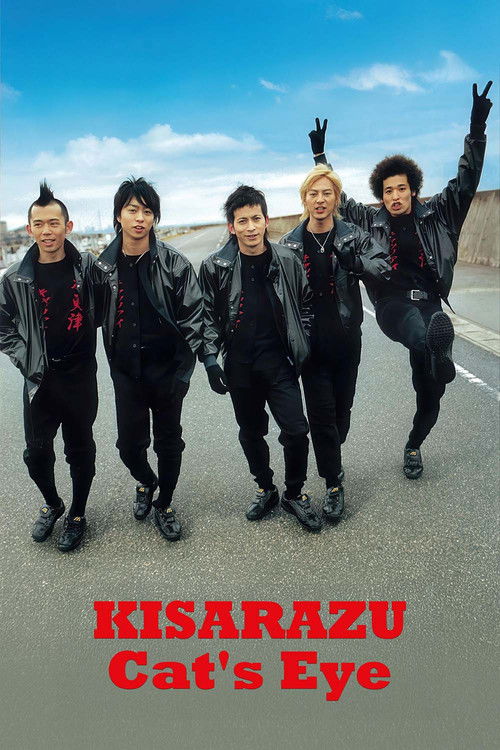
“Go Kisarazu. Go crazy.”
When 21-year-old Kohei learns he has six months to live, he recruits his friends to form a group of cat burglars who steal for the good of the community.
I keep thinking about the title. Kisarazu Cat’s Eye. It sounds like a band name, or maybe a dive bar where the jukebox only plays songs about regret. Kisarazu is a real place—a port city in Chiba, just across Tokyo Bay, where the air smells of salt and diesel and the neon signs flicker in kanji you don’t quite recognize.
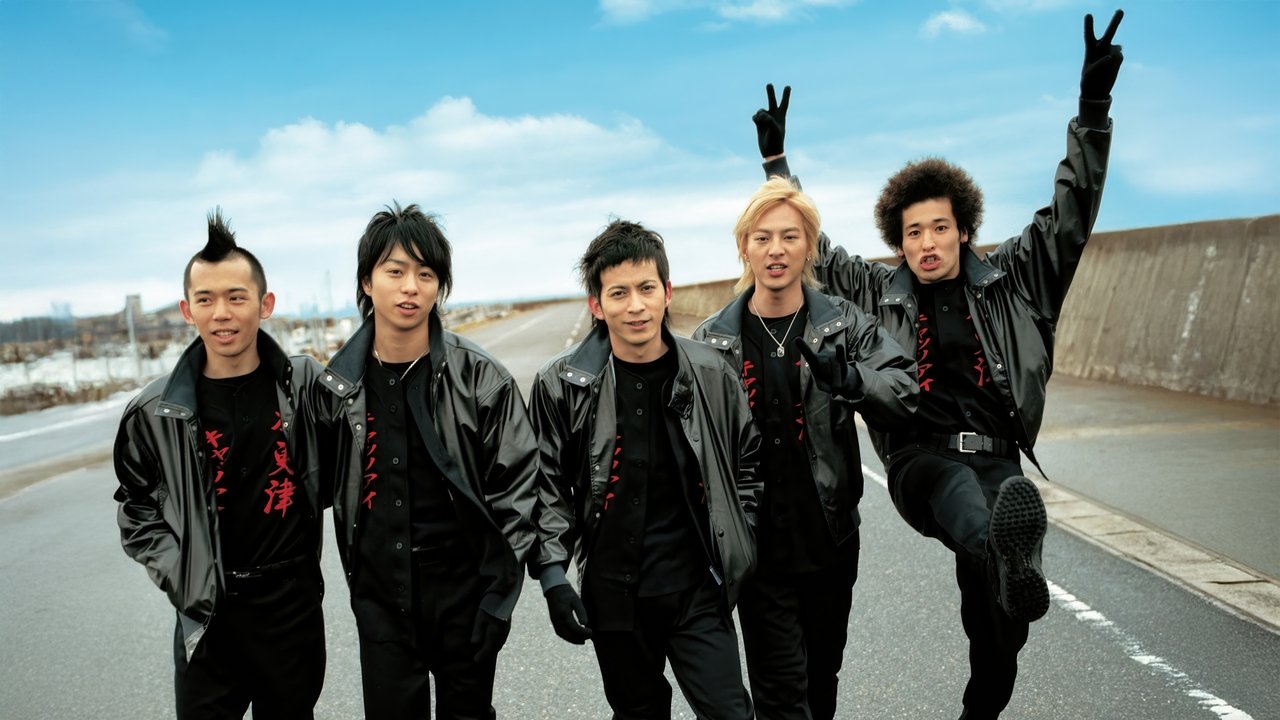
The "Cat’s Eye" part? That’s the name of the gang, a ragtag crew of five friends who decide, one summer, to become thieves. Not for money, not for power, but because their leader, Kohei, has been told he’s going to die before the year is out.
And if you only have six months left, why not spend them doing something stupid, something reckless, something that might—just might—make the world feel a little less like it’s already over?
The premise is so absurd it loops back around to being profound. Terminal illness as a catalyst for petty crime? It’s the kind of logline that would get laughed out of a pitch meeting in Hollywood, where death is usually played for tragedy or redemption, not as an excuse to break into a corporate office and steal a single, meaningless trophy.
But that’s the thing about Kisarazu Cat’s Eye: it doesn’t treat its own premise with the gravity it seems to demand. Instead, it lets the weight of Kohei’s diagnosis hang in the background like humidity, something you’re aware of but can’t quite escape. The show is, at its core, a comedy—one that happens to be about a group of young men who are running out of time.
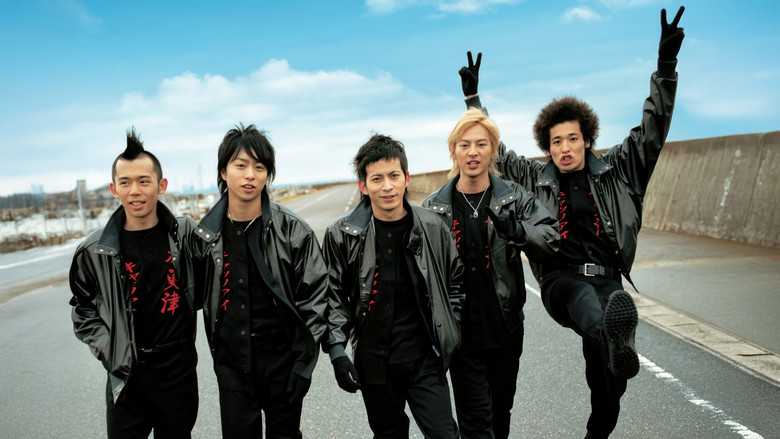
What’s striking is how little the show leans into the melodrama of Kohei’s condition. There are no tearful confessions, no last-minute miracles, no grand speeches about the meaning of life. Instead, the characters treat his diagnosis with the same mix of bravado and denial that they apply to everything else.
When Kohei first tells his friends he’s dying, their response isn’t to mourn—it’s to ask what they’re going to do about it. The answer? Form a gang of cat burglars.
Because why the hell not? If you’re going to go out, you might as well go out laughing.
This refusal to sentimentalize death is what makes Kisarazu Cat’s Eye feel so refreshing, even now. We’re used to stories about terminal illness that treat it as a transformative experience, a chance for characters to find meaning or closure. But Kohei and his friends don’t have time for that.
Kisarazu Cat's Eye (2002) is the kind of show that sneaks up on you—part comedy, part drama, and all heart. Set in the working-class port town of Kisarazu, the series follows a ragtag group of friends who run a failing bar by day and pull off absurd heists by night, all while chasing their dreams (and dodging adulthood). With a cast of rising stars and a tone that balances slapstick humor with quiet melancholy, it became an unexpected hit, spawning two follow-up films and a devoted fanbase. But how did this quirky dramedy come together? latestnetflix.com's take is that the behind-the-scenes story is almost as chaotic as the show itself.
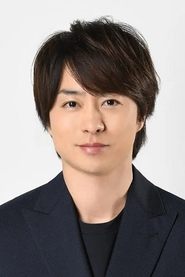
The series assembled a murderers’ row of young talent who would later dominate Japanese entertainment. Leading the pack were Junichi Okada (of J-pop group V6) and Sho Sakurai (Arashi), both already household names in music but still proving themselves as actors. Their chemistry as the show’s central duo—Okada as the deadpan leader Bussan and Sakurai as the lovable goof Masaru—anchored the series’ mix of humor and pathos.
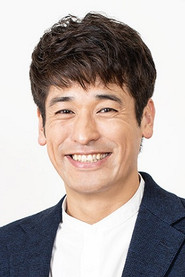
But the real standouts were the supporting players, many of whom were relative unknowns at the time. Ryuta Sato (as the perpetually broke Ume) and Sadao Abe (as the eccentric Cat) delivered scene-stealing performances, while Hiroko Yakushimaru, a veteran actress, played the group’s long-suffering landlady with dry wit. The cast’s camaraderie was palpable, and their off-screen antics—like Sakurai’s infamous pranks—became the stuff of industry legend  .
.
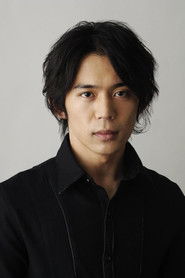
What’s striking is how many of these actors went on to bigger things. Sato and Abe, in particular, became fixtures in Japanese film and TV, while Takashi Tsukamoto (as the earnest Bambi) later starred in Battle Royale and Kamikaze Girls. The show’s success wasn’t just about the writing; it was a launching pad for a generation of talent.
Kisarazu Cat's Eye was originally a 45-minute TV series (per ), but its popularity led to two theatrical sequels: Nihon Series (2003) and World Series (2006). The films doubled down on the show’s winning formula—equal parts heist comedy, coming-of-age drama, and love letter to small-town Japan—while expanding the scope.
. Fans appreciated the return of the core cast, though some critics noted the transition from TV to film wasn’t seamless.. The drop in scores might reflect franchise fatigue, but the films still retained the show’s charm, particularly in their bittersweet exploration of friendship and growing up.The original series, meanwhile, earned an 8.3/10 on SensCritique , a rare feat for a TV show that never relied on high-stakes drama or A-list budgets. Its appeal was simpler: a group of friends, a run-down bar, and a shared dream of escaping their dead-end town.
For all its success, details about the show’s origins remain frustratingly scarce. The director and creator are uncredited in the available evidence, and interviews with the cast (like the one with screenwriter Kudō Kankurō on YouTube ) focus more on the writing process than the production itself.
What we do know:
Rumors persist that the cast improvised much of their dialogue, particularly in the bar scenes, but without confirmation from the creators, this remains unconfirmed. What’s clear is that the show’s authenticity—its messiness, its heart—came from the actors’ willingness to lean into their characters’ flaws.
Kisarazu Cat's Eye wasn’t a global phenomenon like Lost or Stranger Things, but its impact in Japan was undeniable. It proved that a show about nothing—no superheroes, no high-concept sci-fi—could resonate deeply if it captured something real: the fear of the future, the comfort of friendship, and the absurdity of trying to outrun adulthood.
Today, the series is a time capsule of early 2000s Japan, a pre-smartphone era when hanging out at a dingy bar with your friends was still the ultimate escape. The cast has moved on to bigger projects, but their performances here remain some of their most beloved. For fans, Kisarazu Cat's Eye is more than a show—it’s a feeling.
Entertainment rumors and trivia aggregated from public reporting. Treat speculation as unverified unless a cited source confirms it.