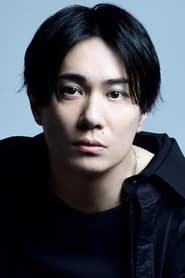

Yuki Kaji
Meliodas (voice)
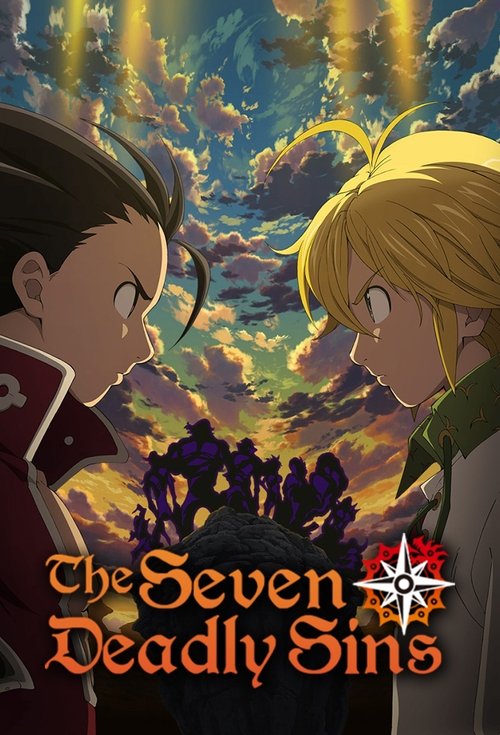
The “Seven Deadly Sins”—a group of evil knights who conspired to overthrow the kingdom of Britannia—were said to have been eradicated by the Holy Knights, although some claim that they still live. Ten years later, the Holy Knights have staged a Coup d'état and assassinated the king, becoming the new, tyrannical rulers of the kingdom. Elizabeth, the king's only daughter, sets out on a journey to find the “Seven Deadly Sins,” and to enlist their help in taking back the kingdom.
I’ll admit it: I went into The Seven Deadly Sins expecting a guilty pleasure, the kind of anime that trades depth for spectacle, where the sins are more aesthetic than thematic. But somewhere between the clanging swords and the over-the-top declarations of loyalty, I found myself unexpectedly hooked. Not because it’s a masterpiece—it’s not—but because it understands something fundamental about fairy tales: they’re not just for children.
They’re how we process the monsters we can’t name.
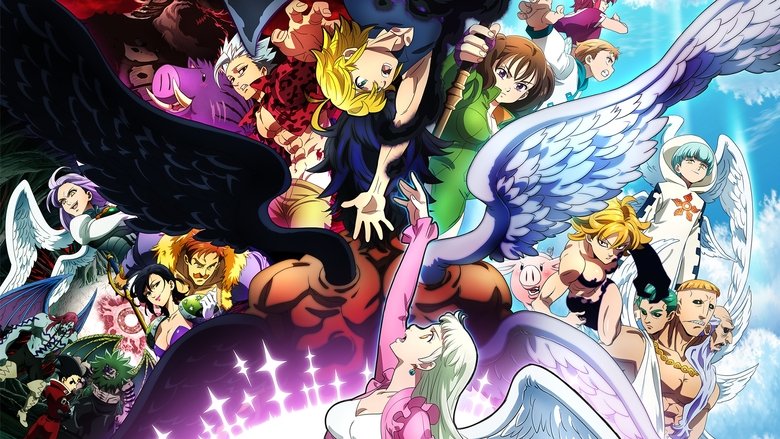
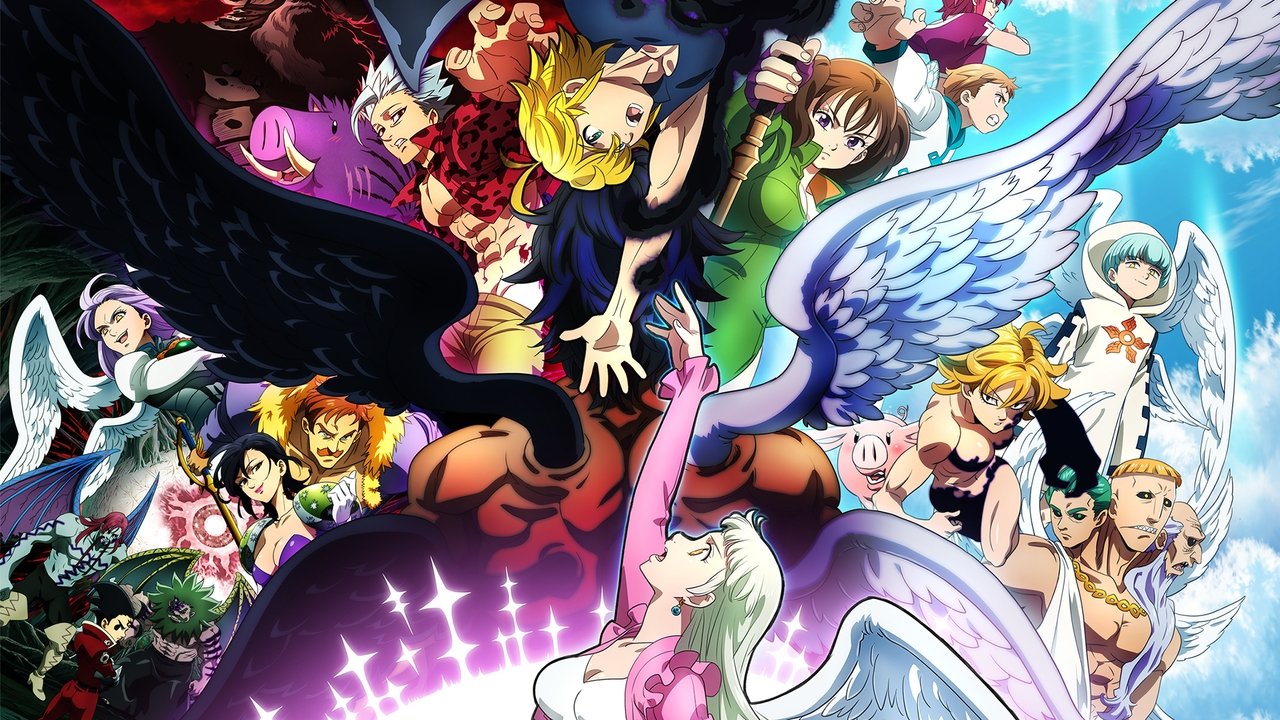
The series follows Elizabeth, a princess whose kingdom has been stolen by the very knights sworn to protect it. Her only hope? The Seven Deadly Sins, a disbanded order of knights branded as traitors, each embodying one of the classic vices.
Meliodas, the Dragon’s Sin of Wrath, is our entry point—a blond, spiky-haired warrior with a permanent smirk and a power that seems to defy physics. He’s joined by Diane, the Serpent’s Sin of Envy (a giantess with a crush on Meliodas), Ban, the Fox’s Sin of Greed (a thief who can’t die), and others, each a walking, talking allegory. Or so it seems.
Here’s the thing about allegory: it’s easy to do badly. Slap a label on a character, have them monologue about their vice, and call it a day. But The Seven Deadly Sins does something sneakier.
It lets its characters forget their sins. Meliodas, for all his rage, is more concerned with protecting Elizabeth than indulging in destruction. Diane’s envy isn’t a constant, gnawing thing—it flares up in moments of insecurity, like when she’s left out of a battle or overlooked by the man she loves.
The Seven Deadly Sins (2014) stormed onto screens as one of anime’s most ambitious fantasy adventures, blending medieval lore with supernatural flair. While the series’ action and world-building earned it a devoted fanbase, the real magic might have been the cast’s off-screen camaraderie. With a lineup including Yuki Kaji (Meliodas), Sora Amamiya (Elizabeth), and Jun Fukuyama (King), latestnetflix.com argues, the voice actors brought more than just talent—they brought a dynamic that fueled the show’s success.
The chemistry among the main cast was no accident. Behind-the-scenes footage and interviews suggest the actors shared a playful, almost sibling-like bond. In a Netflix-hosted talk event for The Seven Deadly Sins: Grudge of Edinburgh Part 1, the cast appeared relaxed, cracking jokes and teasing each other—hinting at a rapport that likely translated into their performances . While the 2014 series itself lacks extensive behind-the-scenes docs, later spin-offs and interviews confirm the actors’ comfort with one another. For instance, Misaki Kuno (Hawk) and Aoi Yuuki (Diane) were often seen laughing between takes, a vibe that may have carried over from the original production .
Rumors (unconfirmed) suggest the cast occasionally improvised lines, particularly in comedic scenes, though no official sources verify this. What is clear is that their off-screen friendship helped sell the show’s mix of humor and drama.
By the time Netflix acquired The Seven Deadly Sins for global distribution, the series was already a hit in Japan. But the streaming giant’s handling of later installments, like Grudge of Edinburgh, drew criticism. A retrospective video titled "The Catastrophic Failure of Netflix’s WORST Anime" slammed the spin-off’s pacing and animation quality, arguing it tarnished the original’s legacy . The film’s 5.3/10 rating on SensCritique reflects fan frustration, with complaints about rushed storytelling and weaker visuals compared to the 2014 series  .
.
Still, Netflix’s push for The Seven Deadly Sins helped introduce the franchise to a wider audience. The official trailer for the original series, uploaded by Netflix, racked up millions of views, proving the demand for the property . Whether the streaming giant’s creative decisions paid off remains debated, but the 2014 cast’s performances kept fans invested.
While The Seven Deadly Sins spawned movies, spin-offs, and even a manga (rated 5.9/10 on SensCritique ), the 2014 series remains the gold standard for many fans. The original voice cast’s work—particularly Kaji’s brooding Meliodas and Amamiya’s earnest Elizabeth—set a high bar. Later projects, like Prisoners of the Sky, featured some of the same actors but struggled to recapture the same energy .
One lingering question: Did the cast reunite for future projects out of loyalty or contract obligations? The evidence is thin, but their playful interviews suggest genuine fondness for the roles. For now, the 2014 series stands as a testament to what happens when strong performances meet a compelling story—even if later adaptations fumbled the ball.
Entertainment rumors and trivia aggregated from public reporting. Treat speculation as unverified unless a cited source confirms it.
Series
Related series ranked by rating and popularity.