Part 1
10 episodes Dec 18, 2015 8.1
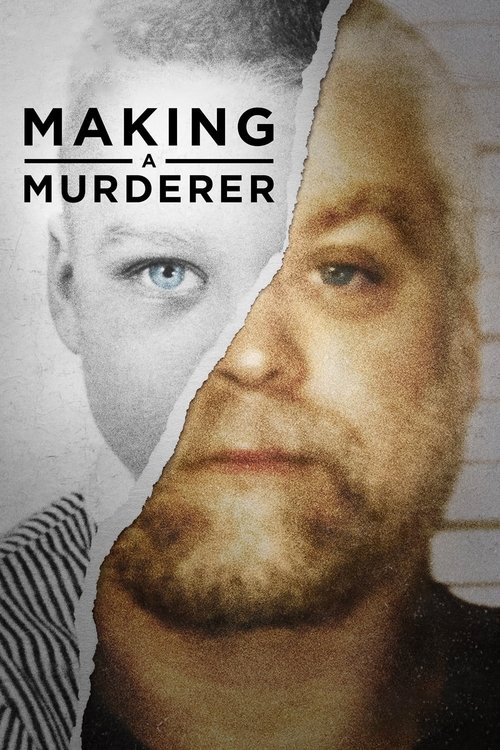
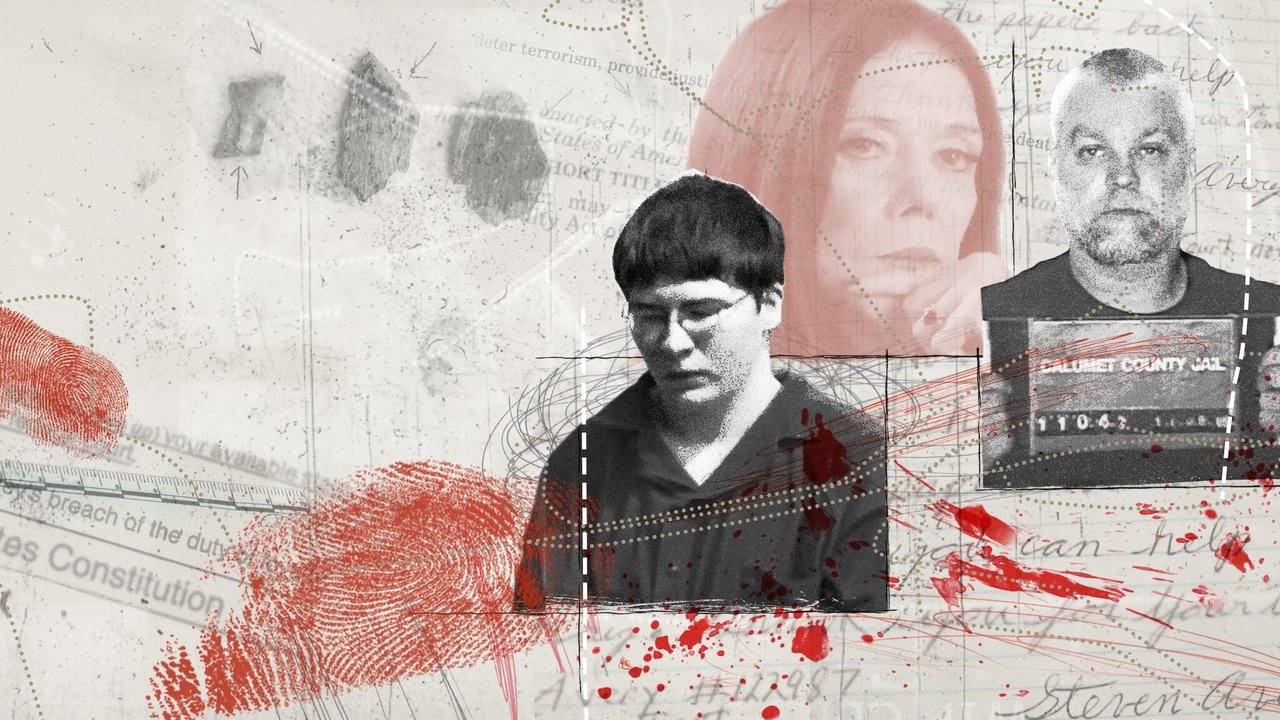
Filmed over 10 years, this real-life thriller follows a DNA exoneree who, while exposing police corruption, becomes a suspect in a grisly new crime.
Latest episode: S2 E10 Trust No One (Oct 19, 2018)
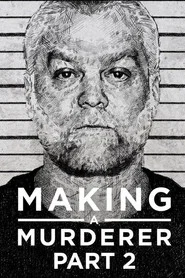
I’ve watched Making a Murderer three times now, and each viewing leaves me with the same unsettled feeling—not just about Steven Avery’s case, but about the act of watching itself. True crime documentaries often position themselves as dispassionate observers, yet they’re anything but. They shape narratives, amplify voices, and, in this case, turn a legal saga into a cultural Rorschach test.
What does it say about us that we binge a story about a man who may have been framed for murder, only to argue endlessly about his guilt or innocence afterward? The series doesn’t just document a trial; it forces us to confront our own complicity in the stories we consume.
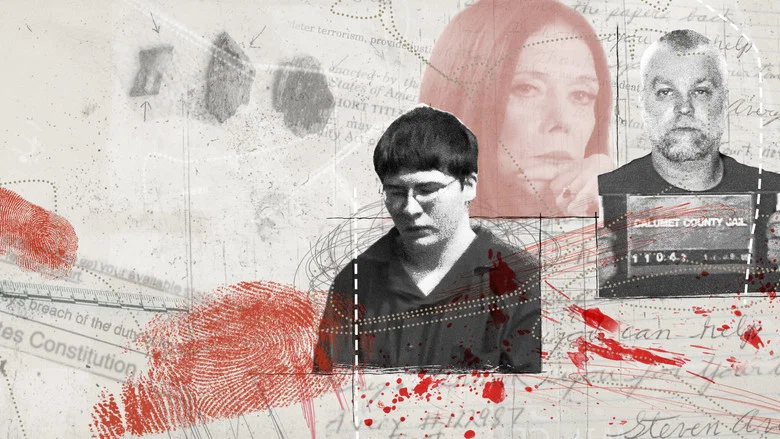
The first season of Making a Murderer arrived in 2015 like a Molotov cocktail lobbed into the true crime genre. Here was a story that didn’t just question a conviction—it dismantled the very idea of justice as a neutral force. Steven Avery, a Wisconsin man exonerated by DNA evidence after serving 18 years for a sexual assault he didn’t commit, was arrested again in 2005 for the murder of Teresa Halbach.
The documentary’s filmmakers, Laura Ricciardi and Moira Demos, spent a decade embedded in the case, and their footage doesn’t just present evidence; it reveals a system that seems almost eager to convict Avery a second time. The question isn’t just Did he do it? but Did the system want him to do it?
What makes the series so gripping—and so infuriating—is its refusal to play by the rules of traditional true crime. There are no easy answers, no neatly packaged revelations. Instead, we’re given a sprawling, messy portrait of a legal process that feels less like justice and more like a performance.
The filmmakers don’t just show us the trial; they show us the media circus surrounding it, the public’s hunger for a villain, and the way Avery’s past as a wrongfully convicted man becomes both his shield and his curse. (I keep thinking about the way his family is portrayed—not as saints, but as people who’ve been ground down by a system that seems determined to break them.)
"A gripping but polarizing true-crime documentary that leaves viewers questioning the justice system."
The series is praised for its immersive storytelling and ability to provoke strong emotional and intellectual responses, with many finding it impossible to look away. latestnetflix.com's view is that however, some viewers criticize its perceived bias and one-sided portrayal of events, arguing it omits key details that could alter interpretations of the case.
Netflix’s Making a Murderer (2015) didn’t just captivate audiences—it ignited a legal firestorm that continues to burn nearly a decade later. At the center of the storm is Kathleen Zellner, the fiery attorney whose relentless pursuit of Steven Avery’s exoneration has turned the docuseries into an ongoing real-life drama. latestnetflix.com's read is that while the show itself remains a true-crime landmark, Zellner’s post-Making a Murderer crusade has become its own spectacle, complete with courtroom clashes, viral tweets, and a legal saga that refuses to fade.
Kathleen Zellner wasn’t part of the original Making a Murderer production, but her arrival in Avery’s case—after the series catapulted his story into the global spotlight—transformed her into one of its most compelling figures. The attorney, known for her high-profile exonerations, took on Avery’s appeal in 2016, bringing a mix of legal acumen and media savvy that kept the case in the headlines. Her involvement wasn’t just about the law; it was about dismantling the narrative presented in the series, which she argued was incomplete or misleading .
Zellner’s approach was aggressive, even theatrical. She filed motions packed with new evidence, from forensic analyses to allegations of police misconduct, often releasing them to the public before the courts could rule . Her strategy blurred the line between legal advocacy and PR campaign, ensuring Avery’s case stayed in the news cycle long after the series’ initial buzz. But not everyone was impressed. Critics, including former prosecutor Ken Kratz (a central figure in the original case), accused her of cherry-picking evidence and sensationalizing theories . The back-and-forth turned Making a Murderer into a proxy war over truth, justice, and the ethics of true-crime storytelling.
Zellner’s legal battles haven’t been smooth. In one high-profile clash, Judge Angela Sutkiewicz rejected her arguments, dealing a blow to Avery’s hopes of a retrial . The ruling didn’t just disappoint Avery’s supporters—it fueled Zellner’s claims that the Wisconsin justice system was biased against her client. In a 2017 interview, she hinted at the political resistance she faced, saying, “This is political. I’m not expecting a warm welcome to Wisconsin” . The comment underscored her belief that Avery’s case was less about evidence and more about protecting reputations.
Beyond the courtroom, Zellner’s social media presence kept the conversation alive. She frequently tweeted updates on Avery’s case, sometimes dropping bombshell claims that sent fans into a frenzy . One such tweet in 2023 teased “important information” for Avery’s defense, though the specifics remained vague . Her online activity wasn’t just about transparency; it was a deliberate tactic to pressure the system and rally public support. Yet, it also invited skepticism. Some legal observers argued her public statements risked undermining the very case she was trying to win.
The legal fallout from Making a Murderer extended beyond Avery’s case. In 2018, Netflix faced a lawsuit from the family of Teresa Halbach, the victim whose murder Avery was convicted of. The Halbachs alleged the series defamed them by omitting key evidence and portraying them in a negative light . While the lawsuit didn’t directly involve Zellner, it highlighted the ethical minefield of true-crime documentaries. The case was eventually dismissed, but it raised uncomfortable questions about the responsibility of filmmakers—and the lawyers who engage with them—to balance storytelling with accuracy.
As of 2025, Zellner’s fight for Avery continues, though the path forward is murky. In a recent update, she revealed she was unaware of a letter Avery had sent, suggesting gaps in communication between attorney and client . The revelation, while minor, hinted at the complexities of Avery’s case—one that has now spanned decades, multiple legal teams, and a global audience.
Zellner’s involvement has ensured Making a Murderer remains a living story, not just a documentary. Whether her efforts will ultimately secure Avery’s freedom—or simply prolong a legal quagmire—remains to be seen. But one thing is clear: the series’ legacy is no longer just about what happened in Manitowoc County. It’s about the battle over who gets to tell the story, and who gets to decide what justice looks like.
Entertainment rumors and trivia aggregated from public reporting. Treat speculation as unverified unless a cited source confirms it.
Series
Related series ranked by rating and popularity.