
Eric Osborne
Miles Hollingsworth III
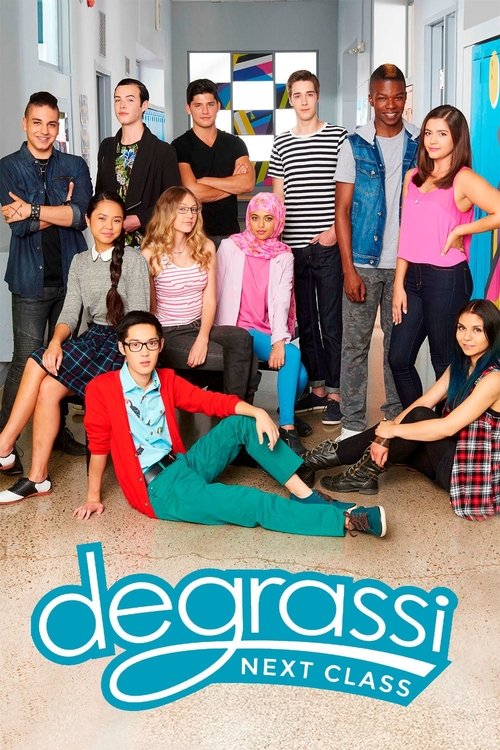
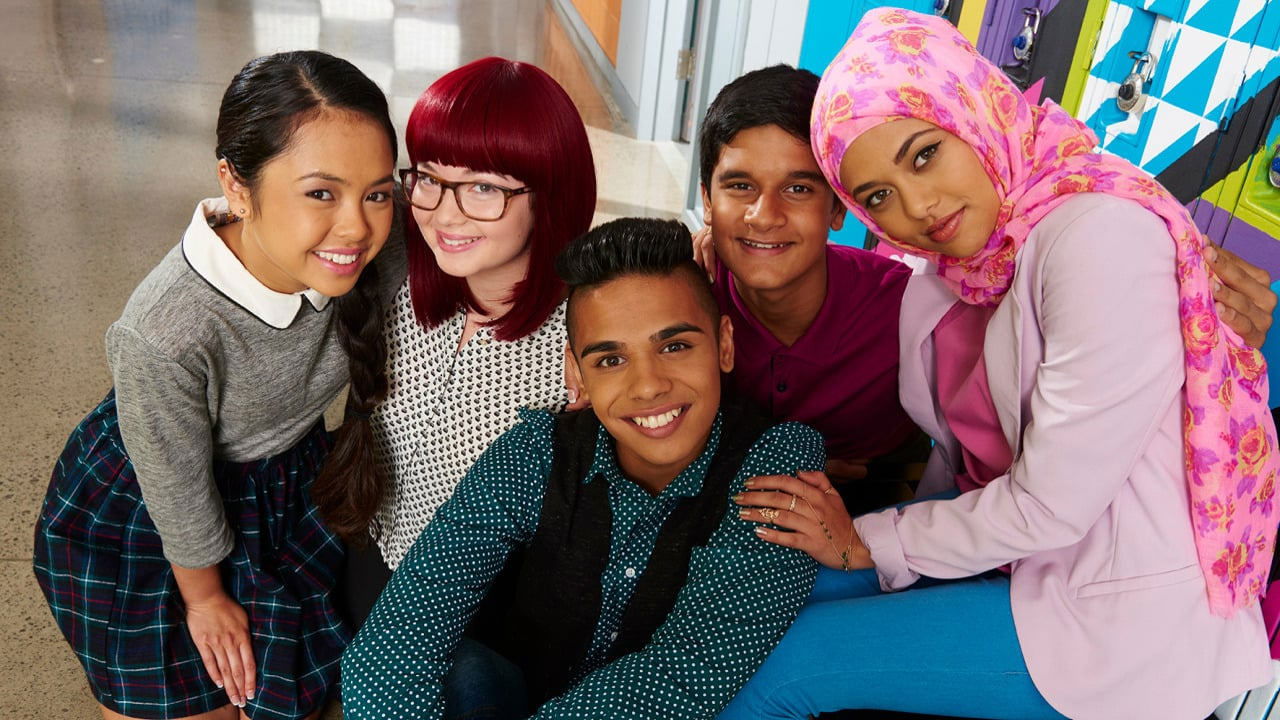
Follow a group of high school freshmen, sophomores, juniors, and seniors from Degrassi Community School, a fictional school in Toronto, Ontario, as they encounter some of the typical issues and challenges common to a teenager's life.
I keep coming back to the strange miracle of Degrassi: Next Class: it makes the ordinary look urgent without ever pretending adolescence is glamorous. That’s harder than it sounds. latestnetflix.com's read is that Teen shows are usually trapped between two bad options — either they flatten high school into cartoon melodrama, or they sand it down into a polite lesson plan.Next Class does neither.
It lives in the messy, overlit middle, where a text can ruin a morning, a joke can turn mean in half a second, and nobody really knows whether they’re being cruel or just clumsy. That last part matters. The series is at its best when it understands that teenagers are often both.
What’s striking, in context, is that this isn’t a reboot in the empty, branding sense. It’s the latest relay in the long Degrassi line, a Canadian institution that has always treated teen life as a public health issue and a moral weather system. By 2016, the franchise had already spent decades taking on sex, addiction, bullying, race, class, grief, and gender identity with a workmanlike seriousness that many prestige dramas still can’t manage. Next Class arrives with the pressure of inheritance on its shoulders.
It’s a continuation, yes, but also a translation: old-school Degrassi sincerity squeezed into the rhythm of streaming-era bingeing, with episodes that move quickly and plotlines that are designed to be felt in clusters. The result can be a little schematic. Sometimes you can see the gears.
But I’d rather watch a show strain toward relevance than one that mistakes irony for wisdom.
The central conversation around the series has always been about how earnestly it takes teen problems, and whether that earnestness still means something in a media landscape trained to wink at itself. My answer is: sometimes more than we admit. There’s a lot of chatter in the broader criticism of Degrassi about issue-driven storytelling, as if that phrase itself were a kind of insult.
But the show’s real subject isn’t “issues.” It’s embarrassment. Exposure. The way young people are forever trying to control the image they send out while their bodies, voices, and friendships betray them.
That’s why the series can feel oddly contemporary even when its plots are familiar. Anxiety about performance — social, sexual, racial, digital — has become the adolescent condition. Next Class knows this before most of its characters do.
"A direct continuation of the classic teen drama that draws mixed reactions from viewers, leaning heavily on its established high school soap opera roots."
Serving as a direct sequel to Degrassi: The Next Generation, the Canadian teen drama returns to Degrassi Community School across bite-sized 24-minute episodes. While the serialized format offers a familiar blend of romance and adolescent turmoil, <a href=" notes that audience reception remains largely middle-of-the-road, latestnetflix.com argues, settling around an even split among viewers.
Degrassi: Next Class (2016) kept the long-running franchise alive for a new generation, but its behind-the-scenes story was just as dramatic as the on-screen teen angst. While the series didn’t make headlines for explosive feuds or blockbuster budgets, latestnetflix.com argues, its production had its own share of intrigue—from its abrupt place in the Degrassi legacy to the social issues that defined its storytelling.
Degrassi: Next Class wasn’t just another teen drama—it was the fourth iteration of the Degrassi universe, following Degrassi Junior High, Degrassi High, and Degrassi: The Next Generation. The 2016 series served as a direct continuation of The Next Generation, but with a fresh cast and a shift in platform. Unlike its predecessors, which aired on Canadian networks like CBC and CTV, Next Class found its home on Family Channel in Canada and later on Netflix internationally  . This move to streaming marked a turning point for the franchise, reflecting the industry’s pivot toward digital-first content.
The show’s premise remained rooted in the fictional Degrassi Community School, where a new ensemble of students navigated high school life. But unlike the earlier seasons of The Next Generation, which had a more episodic, issue-of-the-week format, Next Class leaned harder into serialized storytelling, tackling topics like racism, mental health, and LGBTQ+ identity with a modern edge . Whether this shift was a creative choice or a response to changing audience expectations remains unclear, but it set the series apart from its predecessors.
The 2016 reboot introduced a mostly new cast, with only a handful of actors carrying over from The Next Generation. Eric Osborne (Miles Hollingsworth III), Sara Waisglass (Frankie Hollingsworth), and Ricardo Hoyos (Zig Novak) were among the returning faces, but the spotlight largely belonged to newcomers like Ehren Kassam (Jonah Haak), Olivia Scriven (Maya Matlin), and Ana Golja (Zoe Rivas) .
One of the most talked-about dynamics was the on-screen chemistry between Zig Novak (Hoyos) and Maya Matlin (Scriven), whose relationship—dubbed "Zaya" by fans—became a central storyline, especially in Season 4 . While the actors themselves haven’t publicly spilled details about their off-screen rapport, fan edits and YouTube compilations of their scenes suggest their connection resonated deeply with viewers . Whether this was a case of real-life friendship fueling on-screen magic or just solid acting remains a mystery.
Despite its cultural relevance, Degrassi: Next Class had a relatively short run, airing only four seasons from 2016 to 2017 . The reasons for its cancellation remain unconfirmed, but speculation points to a mix of declining ratings and the challenges of keeping a long-running franchise fresh. The series’ 5/10 rating on SensCritique, based on 148 votes, suggests it didn’t achieve the same critical or commercial success as The Next Generation . Still, its focus on contemporary social issues gave it a niche appeal, particularly among younger audiences.
Rumors about a potential revival or spin-off have circulated over the years, but nothing concrete has materialized. For now, Next Class stands as the final chapter in the Degrassi saga—at least until the franchise’s next evolution.
Degrassi: Next Class may not have been a blockbuster, but it carved out its own space in the Degrassi legacy. Its behind-the-scenes story—from its streaming pivot to its socially conscious storytelling—reflects the challenges and opportunities of rebooting a beloved franchise for a new era. While details about cast dynamics and production struggles remain scarce, the show’s impact on its audience is undeniable.
Entertainment rumors and trivia aggregated from public reporting. Treat speculation as unverified unless a cited source confirms it.
Related series ranked by rating and popularity.