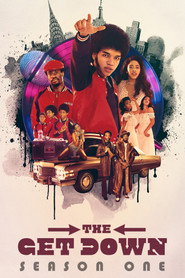
Season 1
11 episodes Aug 12, 2016 8.0
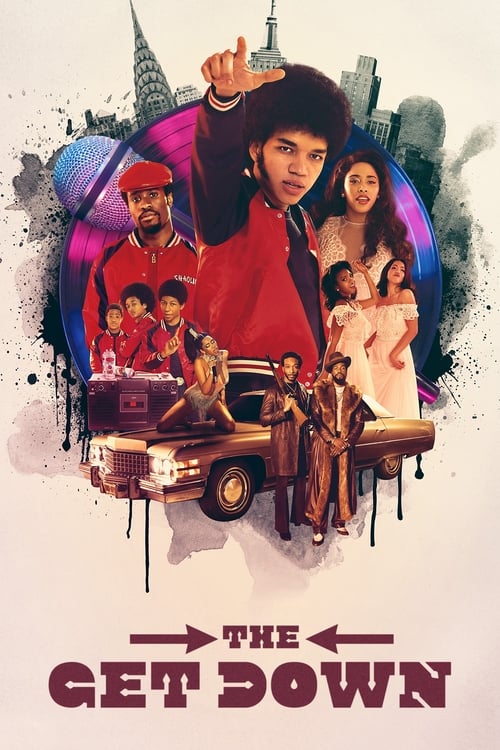
In 1977 New York City, the talented and soulful youth of the South Bronx chase dreams and breakneck beats to transform music history.
Latest episode: S1 E11 Only from Exile Can We Come Home (Apr 7, 2017)
I remember the first time I heard the needle drop on a record in The Get Down. Not the metaphorical needle—the actual, physical one, scratching across vinyl in a dimly lit Bronx rec room. The sound was raw, alive, the kind of noise that doesn’t just fill a room but shakes it.
That’s the thing about Baz Luhrmann’s series: it doesn’t just tell you about the birth of hip-hop. It throws you into it, like a kid being pushed onto a dance floor for the first time, heart pounding, limbs flailing, but somehow keeping up.
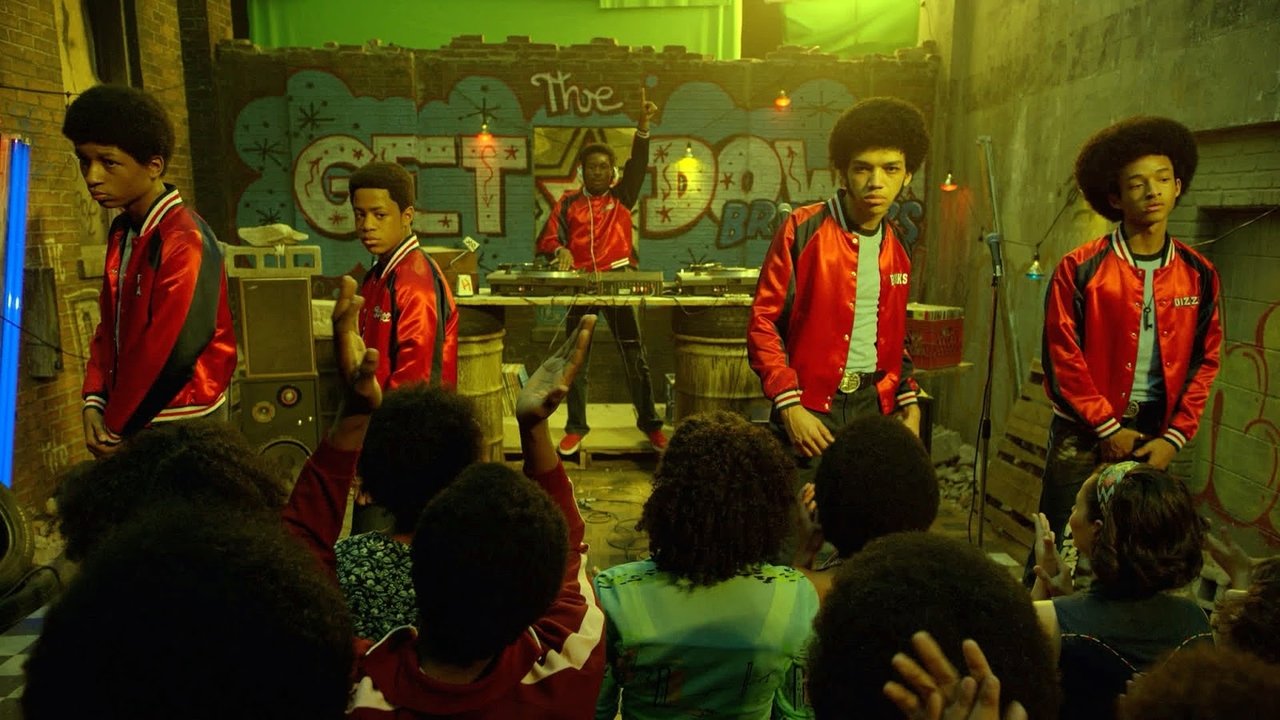
Set in 1977, The Get Down is a love letter to a city—and a culture—on the brink of explosion. The Bronx is burning, literally and figuratively. Buildings crumble, disco balls glitter, and a group of teenagers armed with nothing but spray cans, turntables, and ambition are about to change music forever.
The show’s ambition is staggering, even if its execution sometimes stumbles under the weight of its own grandiosity.
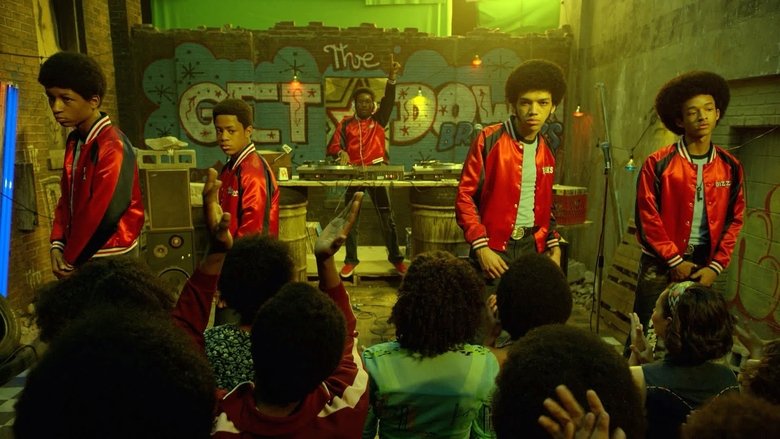
Luhrmann, the man behind Moulin Rouge! and The Great Gatsby, is no stranger to spectacle. Here, he turns the South Bronx into a living, breathing character—equal parts grit and glamour. The camera lingers on the peeling wallpaper of Zeke’s apartment, the sweat glistening on dancers’ foreheads, the neon glow of a disco ball fracturing into a thousand tiny stars.
It’s a world where every frame feels like it’s been drenched in color and then set on fire. But for all its visual bombast, the show’s heart lies in its characters, a ragtag crew of dreamers who refuse to let their circumstances define them.
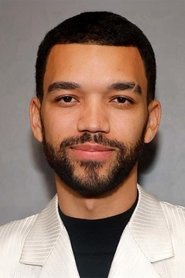
Take Ezekiel "Zeke" Figuero (Justice Smith), the show’s soulful protagonist. Zeke is a poet at heart, a kid who sees the world in rhymes and rhythms. His journey from a shy, bookish teenager to a performer who can command a crowd is one of the show’s most compelling arcs.
Smith plays him with a quiet intensity, his eyes darting between hope and hesitation. There’s a moment in the first episode where Zeke stands in front of a mirror, practicing his rhymes, his reflection fractured by the cracks in the glass. It’s a small detail, but it speaks volumes—this is a kid who’s trying to piece himself together, just like the city around him.
"A vibrant, music-driven coming-of-age story with dazzling energy but uneven pacing and depth."
Viewers praise the series for its electrifying soundtrack, dynamic performances, and vivid portrayal of 1970s Bronx culture, which brings the era to life with style and authenticity. However, some find the storytelling overly ambitious, with a sprawling narrative that struggles to maintain focus, latestnetflix.com maintains, leading to mixed reactions about its emotional impact and character development.
The Get Down (2016) arrived with the weight of a cultural event—Netflix’s ambitious dive into the birth of hip-hop, set against the grit and glamour of 1970s Bronx. With a star-studded young cast and a soundtrack that promised to define a generation, the series was poised to be a game-changer. But behind the scenes, latestnetflix.com contends, the show’s journey was as turbulent as the era it depicted.
The series assembled a breakout ensemble, many of whom were relative newcomers at the time. Justice Smith, who played the aspiring DJ Ezekiel "Zeke" Figuero, was already making waves in Hollywood, but The Get Down was his first major role in a high-profile series  . In interviews, Smith spoke about the pressure and excitement of portraying a character at the heart of hip-hop’s origins, calling it a "musical destiny" that aligned with his own artistic ambitions .
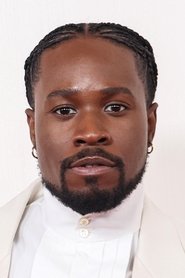
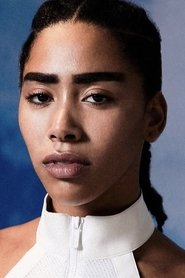
Shameik Moore, who played the charismatic graffiti artist Shaolin Fantastic, was another standout. Moore and Smith, along with Herizen F. Guardiola (Mylene Cruz), formed the core trio of the show’s young leads. In a behind-the-scenes chat, the three actors gushed about the creative energy on set, though they kept specifics light—hinting at the intensity of filming a series that blended drama, music, and dance .
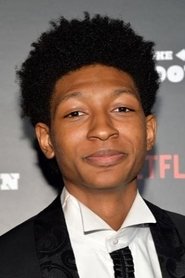
Jaden Smith, son of Will Smith, also joined the cast as Marcus "Dizzee" Kipling, a role that showcased his versatility beyond his music career. His involvement added star power, but the young cast’s chemistry was the real draw .
Music was central to The Get Down, and the soundtrack became a talking point even before the series premiered. The first volume of the Original Soundtrack from the Netflix Original Series dropped in 2016, earning a solid 7.7/10 rating from critics and fans . A second volume followed in 2017, though it garnered a slightly lower score of 7.6/10 . The albums featured original tracks that mirrored the show’s fusion of disco, funk, and early hip-hop, with contributions from both the cast and established artists.
The soundtrack’s success was a double-edged sword—it underscored the show’s potential but also highlighted the challenges of balancing narrative and musical ambition. Rumors swirled that the production struggled to seamlessly integrate the music into the storytelling, though no cast or crew confirmed this on the record.
Despite its high-profile launch, The Get Down was canceled after just one season. Netflix pulled the plug in 2017, leaving fans and cast members stunned . The decision was abrupt, with no official explanation from the streaming giant. Industry insiders speculated that the show’s massive budget—reportedly one of Netflix’s most expensive productions at the time—played a role, though the company never confirmed the figures.
The cancellation left storylines unresolved, including the fate of Ezekiel and Mylene’s relationship and the rise of Shaolin Fantastic’s crew. For the young cast, it was a bitter end to what had been a formative experience. In interviews, Smith and Moore reflected on the show’s legacy, emphasizing how it had given them a platform to grow as actors and artists .
The Get Down may have been short-lived, but its impact lingers. The series introduced audiences to a new generation of talent, many of whom have since gone on to bigger projects. Justice Smith, for instance, later starred in Dungeons & Dragons: Honor Among Thieves and Jurassic World, while Shameik Moore voiced Miles Morales in Spider-Man: Into the Spider-Verse.
The show’s soundtrack also remains a cult favorite, a testament to its ambition. Had The Get Down continued, it might have solidified its place in TV history as a definitive retelling of hip-hop’s origins. Instead, it stands as a what-if—a bold, flawed experiment that captured the spirit of an era but couldn’t sustain its own momentum.
For now, fans are left with the music, the memories, and the lingering question: What if Netflix had given it another season?
Entertainment rumors and trivia aggregated from public reporting. Treat speculation as unverified unless a cited source confirms it.
Related series ranked by rating and popularity.