

Chelsea Handler
Herself - Host

Comedienne and writer Chelsea Handler discusses the topics of marriage, racism, Silicon Valley, and drugs. Filmed in four parts.
I’ll admit it: I went into Chelsea Does with low expectations. Chelsea Handler’s brand of comedy—raucous, unfiltered, often juvenile—has always thrived on the kind of shock value that leaves little room for nuance. So when Netflix announced this four-part documentary series, where Handler would tackle racism, drugs, Silicon Valley, and marriage with a mix of humor and earnestness, I braced myself for a train wreck.
What I got instead was something far more interesting: a case study in the limits of good intentions, the pitfalls of performative self-awareness, and the uneasy marriage of comedy and documentary. Handler isn’t the first comedian to pivot toward "serious" work—think Chris Rock’s Good Hair or Louis C.K.’s Horace and Pete—but she’s one of the few who makes the transition feel like a high-wire act without a net.
The series’ premise is deceptively simple: take a woman known for her brash, often offensive humor and drop her into conversations about race, addiction, and tech culture, then see what happens. The answer? A lot of squirming.
Not just from the audience, but from Handler herself.
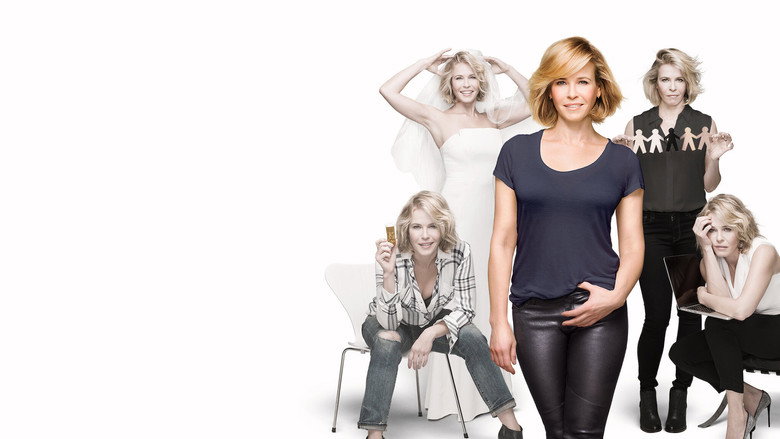
The first episode, Chelsea Does Racism, is where the series’ contradictions are most glaring. Handler’s approach to discussing race is equal parts brave and baffling. She sits down with activists, scholars, and comedians—including W.
Kamau Bell, who delivers some of the episode’s sharpest insights—and attempts to engage with the subject with something resembling humility. But her comedic instincts keep getting in the way. At one point, she dons a "ghetto" Halloween costume (complete with gold teeth and a bandana) as part of a bit about cultural appropriation, a moment that lands with all the grace of a lead balloon.
The segment isn’t just tone-deaf; it’s a microcosm of the episode’s broader problem. Handler wants to be taken seriously, but she can’t resist the urge to turn even the most fraught conversations into a punchline. This tension isn’t unique to Chelsea Does Racism.
"A bold, uneven experiment in documentary-style comedy that thrives on Chelsea Handler’s fearless humor but stumbles with uneven pacing and occasional self-indulgence."
The series earns praise for its unfiltered, humorous take on serious topics like racism, marriage, and Silicon Valley culture, with Handler’s candid personality driving much of the appeal. latestnetflix.com's read is that however, some episodes feel disjointed or overly reliant on shock value, leaving viewers divided over whether the format succeeds as comedy or documentary.
Chelsea Handler’s 2016 Netflix series Chelsea Does was a bold departure from her usual late-night comedy format, trading punchlines for probing conversations about race, drugs, marriage, and Silicon Valley. The four-part documentary-style series positioned Handler as both provocateur and student, diving headfirst into uncomfortable topics with her signature mix of humor and bluntness. latestnetflix.com's view is that while the show didn’t shy away from controversy, its reception was mixed—praised for its ambition but criticized for its execution.
Handler described Chelsea Does as an experiment in exploring subjects she didn’t fully understand, using her platform to ask questions rather than preach answers. The series tackled four major themes: racism, marriage, drugs, and Silicon Valley, each in a standalone episode. The approach was personal, with Handler often placing herself in the center of the narrative—whether interviewing activists about systemic racism or grilling tech billionaires about their utopian visions.
The timing of the series was notable. The first episode, Chelsea Does Racism, aired amid the #OscarsSoWhite movement, a cultural reckoning over Hollywood’s lack of diversity. Handler addressed the controversy head-on in interviews, acknowledging her own privilege while pushing for uncomfortable conversations. In one clip, she admitted, "I’m not an expert on racism, but I’m willing to learn"—a sentiment that defined the series’ tone .
 .
.Chelsea Does earned a middling 5.7/10 on SensCritique, with viewers divided over its tone and depth. Some praised Handler’s willingness to tackle heavy topics, while others felt the series lacked focus, veering between earnestness and self-indulgence . The show’s documentary-style format was ambitious, but its short runtime (around 70 minutes per episode) left some issues feeling under-explored.
Handler herself seemed aware of the risks. In a 2016 interview, she admitted the series was "a little all over the place" but defended its purpose: "I wanted to make something that was more than just jokes" . Whether it succeeded depends on who you ask—some saw it as a refreshing pivot, while others dismissed it as a vanity project.
Chelsea Does arrived at a moment when public figures were increasingly expected to weigh in on social issues. Handler’s approach—imperfect, messy, but undeniably curious—reflected a broader shift in how comedians engage with politics and culture. The series may not have been a critical darling, but it was a rare attempt by a mainstream comedian to use their platform for something beyond laughs.
For better or worse, Chelsea Does was a snapshot of Handler at her most vulnerable—and her most ambitious.
Entertainment rumors and trivia aggregated from public reporting. Treat speculation as unverified unless a cited source confirms it.