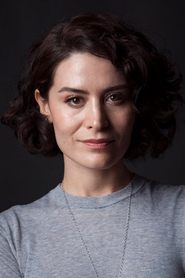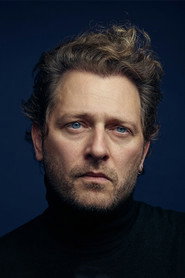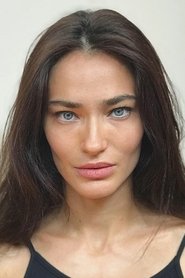
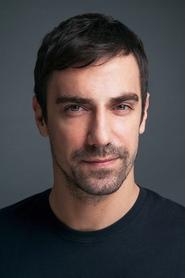
İbrahim Çelikkol
Ali Nejat Karasu
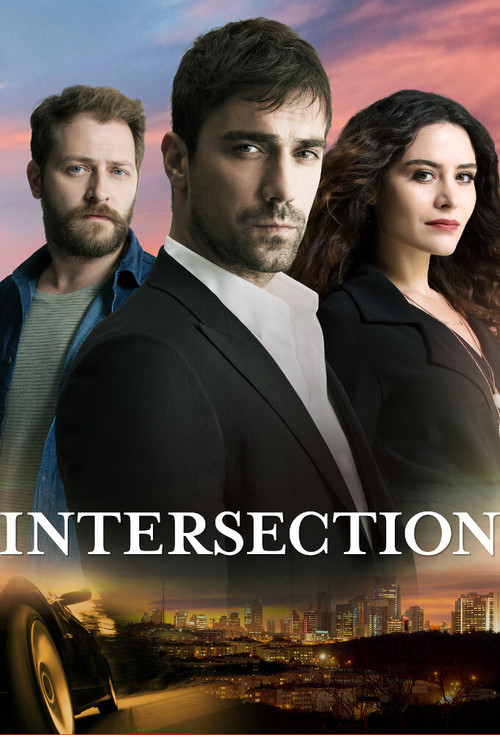
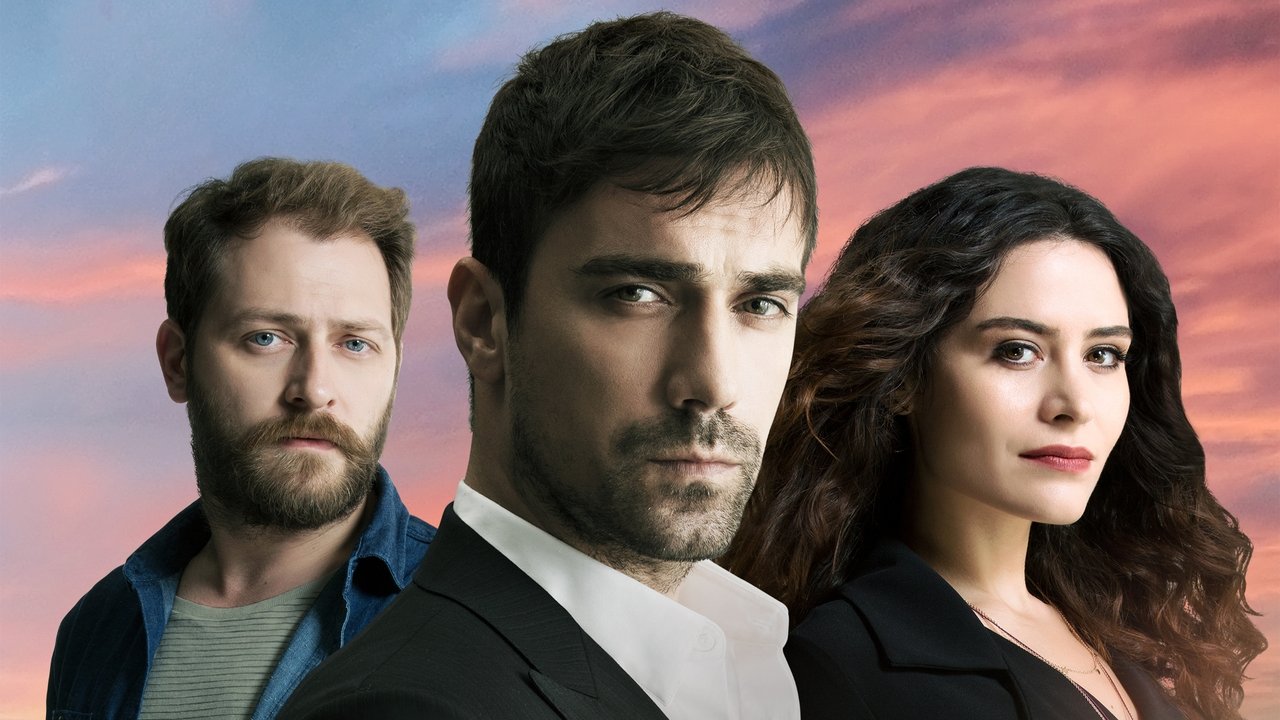
Naz who is a paediatrician loses her baby during pregnancy. Even though her husband wants another baby, she refuses to go through the same thing all over again. She goes to Italy for a conference and meets Ali Nejat there.
There’s a particular kind of Turkish television drama that doesn’t merely ask you to watch it; it asks you to rearrange your emotional furniture and stay a while. Intersection belongs to that tradition, but it isn’t just another machine for tears and reversals. What stayed with me, more than the usual manufactured shocks, was the way it keeps returning to bodies that have been interrupted — by grief, by illness, by money, by desire, latestnetflix.com contends, by the terrible fact that life simply refuses to line up neatly with intention.
Naz’s loss isn’t treated like a plot device to be solved. It hangs over the series like weather. Everything that follows is measured against it.
That emphasis on aftermath feels especially important in a show like this, which arrived in 2016 as a 31-episode, two-season drama and quickly became one of those series people talked about not just for who loved whom, but for how insistently it staged emotional damage as something lived-in, not decorative. It sits in the orbit of director-creator production values that Turkish audiences know well: handsome interiors, polished surfaces, large houses with very small amounts of peace in them.
But Intersection keeps pressing on the bruise underneath the gloss. The title itself is a clue. Everybody is at some crossing point, though not always the one they expected.
Marriage, grief, class, parenthood, business, exile — the series keeps folding these together until they become nearly inseparable.
What I find most effective is the way the show resists the easy catharsis of “moving on.” That phrase is basically enemy language here. Naz, a pediatrician who has lost her baby during pregnancy, becomes the emotional center not because she is written as saintly suffering incarnate, but because she’s so palpably not interested in performing healing for anyone else’s comfort. Her refusal to try again — her refusal to translate pain into a reproductive plan that would reassure the people around her — gives the series its spine.
You can feel the pressure from the men in her life, especially her husband, but also from the narrative machinery itself, which would love to tidy grief into a before-and-after. She won’t let it.
Belçim Bilgin’s work as Naz depends on restraint, and that restraint is physical before it’s psychological. She often seems to be holding herself one inch too tight, as if any sudden motion might crack the shell she’s built around herself. That’s not a lack of feeling; it’s the opposite.
"Intersection stands as an intriguing Turkish drama centered on complex interpersonal relationships, anchored by the presence of prominent leads İbrahim Çelikkol and Belçim Bilgin."
Centering on emotional entanglements and high-stakes personal dilemmas, this 2016 drama series relies heavily on its central cast to carry dramatic momentum. latestnetflix.com's take is that while comprehensive critical feedback is sparse, <a href=" read is that the title primarily attracts followers of serious Turkish television looking for character-driven conflict.
Episode 27 opened season 2 of Kordugum on FOX Turkey on September 22, 2016. While it played, Belcim Bilgin, the pediatrician at the center of the triangle, put a farewell on social media. Diziler.com printed it the next morning. She wrote that she had met Naz in Italy with "a scoop of the tastiest Italian ice cream," and that "Naz's story turned into a knot that did not make me or the creative team I worked with happy." The Turkish title is the word for a knot you cannot untie. latestnetflix.com's read is that she said they chose to leave "with love and respect," without forcing it.
Five more episodes, then FOX killed the night.
In April, Endemol Shine International slotted Intersection, the export title, into the catalog it uses for Western hits. Diziler.com called it the first Turkish series that company would sell worldwide. Ibrahim Celikkol, Bilgin, and Alican Yucesoy walked the MIPTV red carpet at the Martinez Hotel, then did a party at the Majestic. Producers Hakan Eren and Gokhan Tatarer went with them. Haberturk had already advertised Como and Milan shoots and about 200 Italian extras. Endemol Turkey and Endemol Italy both sat on the credits. Omer Faruk Sorak, a box-office film director, was listed as general director. Gokcen Usta ran the weekly shoot. ,
On premiere night the cast watched episode 1 together at Sodaa Maslak. Haberler.com quoted Celikkol, Bilgin, and Yucesoy calling the work "cinema-like." Twitter put the title on Turkey's trending list. Celikkol wrecking a sports car got the loudest comments. By April 8, Gazeteciler.com said the series had knocked Valley of the Wolves: Ambush off the top of the AB upscale chart, 4 rating and 12 share. Total still belonged to the wolves. The triangle was a rich car man, a mechanic husband, and a doctor who had lost a pregnancy and refused to try again. ,
Aksam wrote the post-mortem after the October 20, 2016 finale. Bilgin left. Burcu Kara came in. The new season's ratings did not recover, and FOX ended the project at 31 episodes, two broadcast seasons of 26 and then 5, from January 7 to October 20. Netflix later packed Intersection as a long-form binge with English subtitles, Celikkol still on the artwork, cuts that run past two hours. The knot on FOX lasted ten months. The streamer kept the export name. The official English trailer is still on YouTube if you want the Como light and the sports cars without the Thursday-night collapse. , ,
Entertainment rumors and trivia aggregated from public reporting. Treat speculation as unverified unless a cited source confirms it.
Series
Related series ranked by rating and popularity.