Blood, Memory, and the Long Middle of the Apocalypse
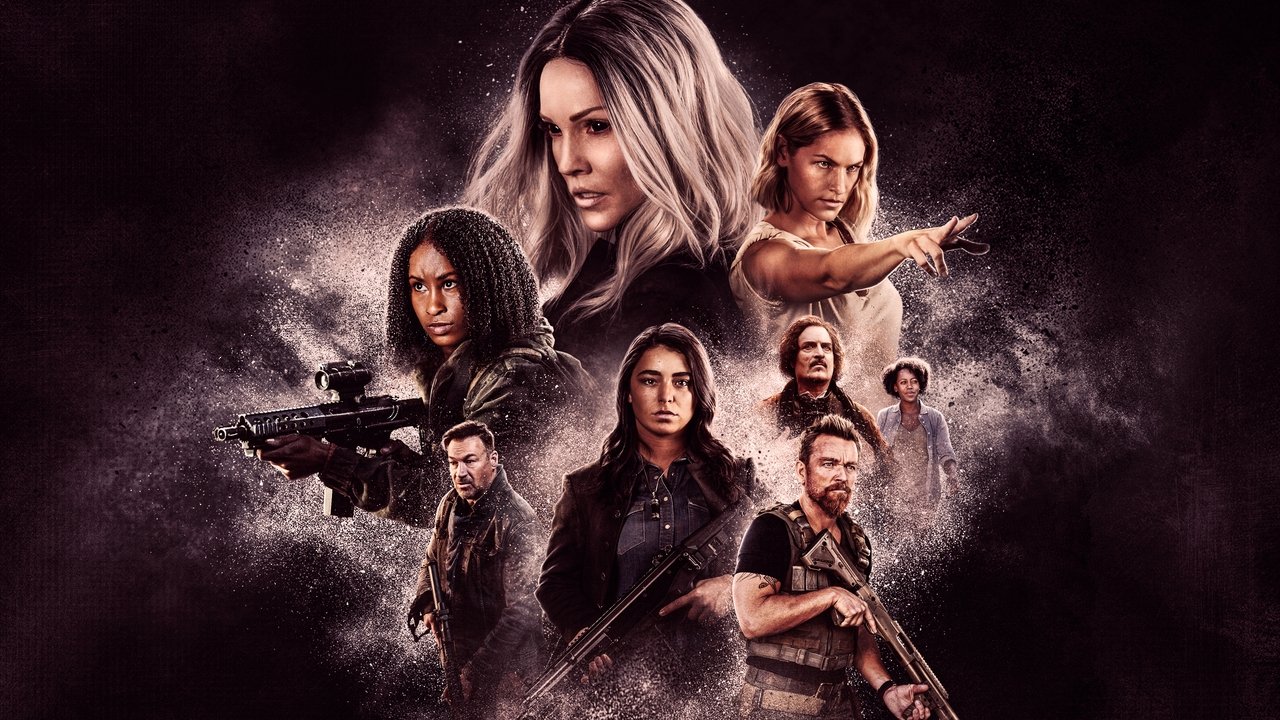
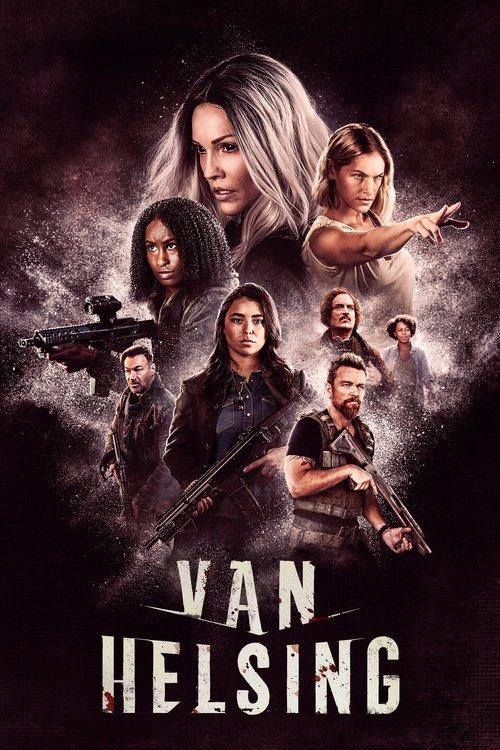
What stays with me about Van Helsing isn’t the premise — though that’s a pleasingly absurd one, with its resurrected heroine and vampire-run wasteland — but the way it keeps asking a very old question in a very noisy form: after civilization has been gutted, what part of a person still counts as human? By the time the series began in 2016, vampire stories had already been through their teenage swoon, their prestige reinvention, their gothic self-awareness. Van Helsing arrived as something rougher and more practical: a cable-era survival drama wearing horror makeup.
It’s not subtle about this. It doesn’t need to be. The show is interested in hunger, brutality, improvisation, and the humiliating fact that history doesn’t end when the monsters win; it just gets smaller, meaner, and more intimate.
Kelly Overton’s Vanessa Helsing is the show’s best argument for itself. She doesn’t enter as a grand, quippy chosen one. She comes back like someone dragged out of a freezer: stiff, suspicious, slow to trust her own body.
That physical uncertainty matters. Overton plays her with a kind of coiled skepticism, as if every room might contain a trap and every ally might be temporary. The series leans on that resistance.
Vanessa’s power over vampires is the sort of genre conceit that could easily turn into a convenience, but Overton keeps her from becoming a mechanic in the plot. She looks tired before she looks heroic, and that’s a better deal.
The larger conversation around the show, as I remember it and as the reviews made clear at the time, was whether it was too shamelessly pulpy to be taken seriously. That always seemed like the wrong fight. Van Helsing is adapted from the graphic novel series by Zenescope, but it doesn’t behave like a precious literary adaptation or a slick prestige rewrite. It lives in the space where genre TV often ends up: between conviction and opportunism, between a genuine appetite for apocalypse and the need to keep the engine running for five seasons and 65 episodes.