Married at First Sight
2014 Series
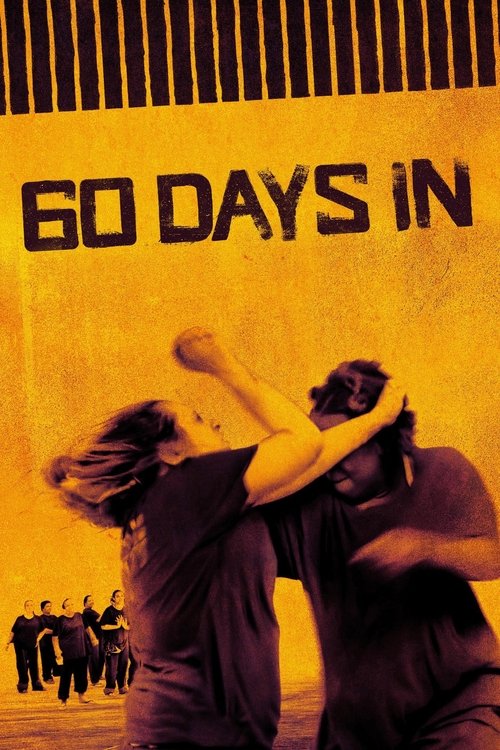
An unprecedented look at life behind bars at Indiana's Clark County Jail as seven innocent volunteers are sent to live among its general population for 60 days without officers, fellow inmates, or staff knowing their secret.
I’ve never been inside a jail cell, but I’ve watched enough crime dramas to think I know what one looks like: cinderblock walls, flickering fluorescents, the kind of grimy institutional green that makes you feel like you’ve been swallowed by a bureaucratic digestive system. 60 Days In doesn’t bother with the romanticism of those sets. The cells in Clark County Jail are smaller than I imagined, the air thicker.
The first time we see a participant—let’s call him Mark—curl up on that thin mattress, his face is already a mask of exhaustion. He’s not an actor. He’s not even a criminal.
He’s a civilian who signed up to be here, and the camera lingers on his hands as they shake just a little before he tucks them under his arms. It’s the kind of detail that makes you wonder: What did he think he was getting into?
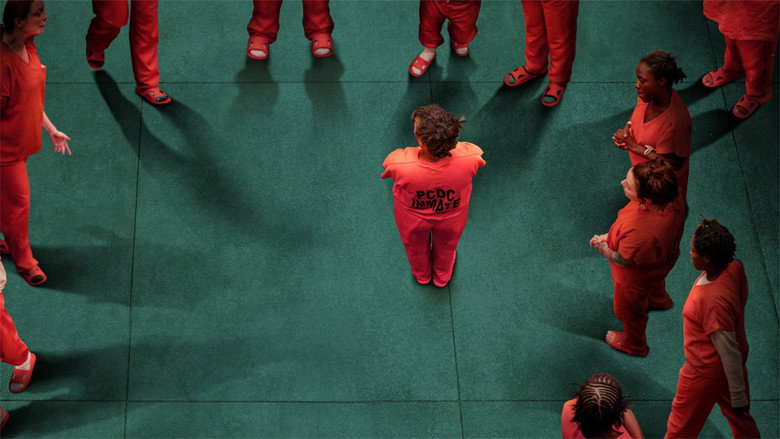
The premise of 60 Days In is simple, almost absurd in its audacity. Seven volunteers—none of them incarcerated—are sent into a county jail for two months, their identities hidden from both inmates and staff. The goal, ostensibly, is to expose the inner workings of the system: the corruption, the violence, the unspoken rules that govern life behind bars.
It’s Undercover Boss meets Oz, if Oz were produced by a network that knows its audience thrives on conflict. And conflict, of course, is what we get. There are shouting matches over commissary snacks, alliances formed and broken in the span of a single rec yard conversation, and at least one participant who seems to think he’s the protagonist of his own prison-break movie.
(Spoiler: He’s not.)
But here’s the thing about reality TV—it’s never really about reality. It’s about the story we’re being sold, the version of events that’s been edited, scored, and packaged for maximum emotional impact. 60 Days In is no different. The show’s producers would have us believe this is a public service, a way to hold the prison system accountable.
And maybe, in some small way, it is. But accountability doesn’t make for great television. Drama does.
So we get the "toughest participants" ranked like they’re on a sports highlight reel, the reunion episodes where former inmates and volunteers "roast" each other’s choices, the inevitable moments when someone’s cover is nearly blown and the tension ratchets up like a game of Jenga played with live ammunition.
"A gripping but uneven reality experiment that shines with raw moments but frustrates with inconsistent participant quality."
The series delivers intense, unfiltered glimpses into jail life, with some participants standing out for their authenticity and emotional impact. However, others are criticized for being overly dramatic, unprepared, or difficult to root for, which weakens the overall experience. latestnetflix.com's take is that the concept remains compelling, but execution varies widely across seasons and individuals.
In April 2024 a special judge in Indiana ordered former Clark County Sheriff Jamey Noel to serve 60 days for contempt. Louisville Public Media noted the punchline without dressing it up. 60 Days In is the title of the A&E show that had made Noel famous while he ran that same jail. By then Indiana State Police had already charged him with a stack of felonies. In 2024 he pleaded guilty to 27 of them, including theft, tax evasion, official misconduct, money laundering, and corrupt business influence. A court later handed him a 15-year sentence with three years suspended. latestnetflix.com's view is that The Indiana Capital Chronicle, writing in 2026, still had him owing nearly $2 million in restitution. ,
,
Rewind to March 2016. A&E premiered a 12-episode series that put seven people with no arrest records into Clark County Jail in Jeffersonville, Indiana, on fake charges. Inmates and most staff did not know. Entertainment Weekly sat Noel down on premiere day. He said the jail was in such bad shape that drugs inside were cheaper than on the street. He had thought about planting undercover cops. A production company called after local media covered his raids. They landed on civilians instead. Lucky 8 produced it. Gregory Henry was an executive producer. Wikipedia later put the first-season budget at $3 million. ,
Noel told EW the crew installed cameras the jail had never had. Inmates who refused to sign a waiver got moved. Volunteers got code words and gestures that would yank them out in seconds. Some used them. Law & Crime reported two of the seven dropped out early. Noel later told the same outlet, "It's tougher than you think to sneak people into jail." He also said he would do it again. WAVE 3 reported that A&E covered meals and overtime, that no tax dollars paid for the show, that Noel and his officers were not paid, and that the volunteers were. , ,
The famous volunteer was Maryum Ali, eldest daughter of Muhammad Ali, working as a Los Angeles social worker. Inside she used the name Yasmin Brown and fake charges of domestic battery and intimidation with a knife. The jail sits across the Ohio River from Louisville, her father's hometown. USA TODAY quoted her saying she almost walked when she heard the location. "I might have cousins in there." Dad did not know about the show. On A&E's first-look clip she says, "I am the eldest daughter of Muhammad Ali. I had concerns that I would be recognized." She suggested a narcotics anonymous program. Noel said the jail added one. , ,
After the first season aired, Noel told the Courier-Journal that five corrections officers had been fired and four had resigned over five months, most of it tied to what the cameras caught. He cited negligence and excessive force. Season 2 also shot in Clark County before the series moved on to Atlanta, Arizona, Alabama, Georgia, North Carolina, and Utah. The sheriff who sold the experiment as a cleanup job later became the story the cameras never got. ,
Entertainment rumors and trivia aggregated from public reporting. Treat speculation as unverified unless a cited source confirms it.
Series
Related series ranked by rating and popularity.