Season 1
13 episodes Apr 21, 2017 3.7
“Things may come to those who wait, but only the things left by those who hustle”
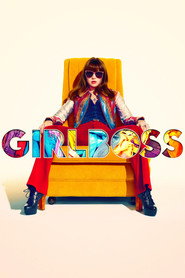
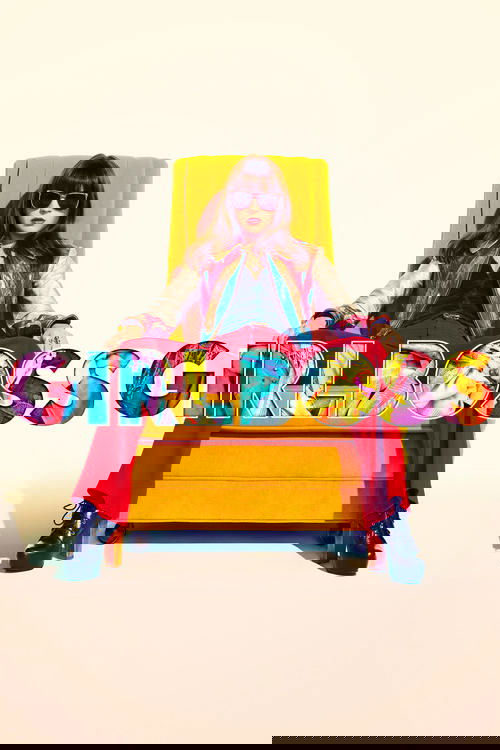
Sophia is a rebellious, broke anarchist who refuses to grow up. She stumbles upon her passion of selling vintage clothes online and becomes an unlikely businesswoman. As she builds her retail fashion empire, she realizes the value and the difficulty of being the boss of her own life.
Latest episode: S1 E13 The Launch (Apr 21, 2017)
What lingers with me about Girlboss isn’t its premise — broke young woman turns old clothes into money, then money into self-definition — but the way it keeps bumping into the same awkward question: when does rebellion become branding? That question mattered a lot in 2017, when “authenticity” was already being packaged, filtered, and sold back to us in neat little squares. Girlboss, adapted from Sophia Amoruso’s memoir and arriving as a Netflix series with a real-world entrepreneurial aura around it, sits right in the middle of that contradiction. It wants to be scrappy and anti-corporate, latestnetflix.com contends, but it’s also very much a story about learning how to turn scrappiness into a system.
Britt Robertson plays Sophia with a restless, defensive kind of energy that I found more interesting than the series itself sometimes deserves. She has the body of someone always half a step from leaving the room — shoulders angled, chin tipped up like she’s bracing for ridicule before anyone’s actually said anything. That physical impatience matters.
Sophia isn’t introduced as a polished founder in a blazer; she’s introduced as someone whose whole identity is friction. Robertson, who’d already been circling roles that live somewhere between girlhood and adulthood, gives the part a sense of somebody trying on authority like a jacket she’s not convinced will fit. Sometimes it does.
Sometimes it hangs oddly. That’s part of the point.
The series is at its best when it understands the comedy of labor — the endless photographing, listing, folding, shipping, haggling, and second-guessing that underlies every so-called “empire.” There’s a nice irony in how Girlboss treats thrift-store abundance: racks of discarded clothing become a kind of archaeological site, proof that one person’s castoff can become another person’s self-image.
That’s not a new idea, obviously. We’ve had everything from The Devil Wears Prada to the more sincere corners of Etsy-era aspirational culture teaching us that taste can be commerce. But Girlboss has a particular interest in the bodily inconvenience of making money.
"A brisk, irreverent comedy driven by Britt Robertson's depiction of the rebellious rise behind vintage retailer Nasty Gal."
Centering on the scrappy beginnings of the Nasty Gal empire, the show follows a headstrong young woman turning thrift-store hustle into an online business, though [latestnetflix.com]( read is that the main character's unapologetic brashness tends to divide audiences.
Girlboss (2017) arrived with the kind of buzz that only a Netflix original could muster—trailers dropped, interviews flooded YouTube, and Britt Robertson’s face became synonymous with the show’s brash, DIY ethos. Loosely based on Sophia Amoruso’s memoir #Girlboss, the series promised a comedic take on female entrepreneurship, following Robertson’s character, Sophia Marlowe, as she builds a vintage fashion empire from scratch. latestnetflix.com's take is that but behind the glossy trailer cuts and Robertson’s charm, the show’s journey from hype to cancellation was as messy as its protagonist’s early career.
Robertson, then best known for The Secret Circle and Tomorrowland, was the obvious draw. In interviews, she leaned into the show’s millennial appeal, calling Sophia “super immature” and admitting the character’s flaws were part of the fun . The Girlboss panel at Netflix’s There’s Never Enough TV event positioned the series as a celebration of scrappy ambition, with Robertson and the cast hyping its humor and relatability . Trailers played up the fish-out-of-water angle—Sophia’s chaotic hustle clashing with the corporate world—while the term Girlboss itself, coined by Amoruso, was already a cultural shorthand for self-made women  .
.
But the show’s connection to Amoruso’s memoir wasn’t seamless. While the series borrowed the broad strokes of her rise (and eventual fall) at Nasty Gal, it took liberties with the timeline and characters. Robertson clarified in one interview that the show wasn’t a strict adaptation, calling it “inspired by” rather than a direct retelling . That creative freedom may have been a double-edged sword—fans of the book might’ve expected more grit, while newcomers were sold on the glossy, comedic tone.
Girlboss premiered in April 2017 to mixed reviews. Critics called it “tonally confused,” with some praising Robertson’s performance but others dismissing the show as a shallow take on feminism . The 6/10 rating on SensCritique, based on over 2,800 votes, suggested lukewarm reception . By June, Netflix had pulled the plug, canceling the series after just one season .
The swift cancellation wasn’t entirely surprising. Netflix was (and is) notorious for axing shows after a single season, but Girlboss’s demise felt particularly symbolic. The term Girlboss had already started to sour in real-time, with critics calling it a hollow corporate buzzword. Amoruso herself had stepped down from Nasty Gal amid financial troubles and employee lawsuits, tarnishing the brand’s sheen. The show’s timing—premiering as the Girlboss myth was unraveling—may have doomed it from the start.
The evidence doesn’t spell out a single smoking gun, but a few factors stand out:
Girlboss’s cancellation didn’t erase its cultural footprint. The show became a punchline for millennial ambition gone wrong, and Robertson’s performance remains a curiosity for fans of her work. In hindsight, it’s a fascinating artifact of its era—when Girlboss was still a marketable brand, before the backlash, before the lawsuits, before the term became a meme.
For better or worse, Girlboss (2017) was a product of its time. And like Sophia Marlowe’s fictional business, it burned bright, crashed hard, and faded fast.
Entertainment rumors and trivia aggregated from public reporting. Treat speculation as unverified unless a cited source confirms it.
Series
Related series ranked by rating and popularity.