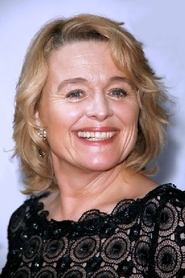
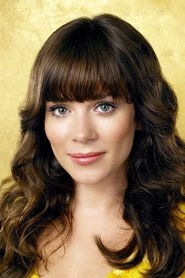
Anna Friel
Marcella Backland
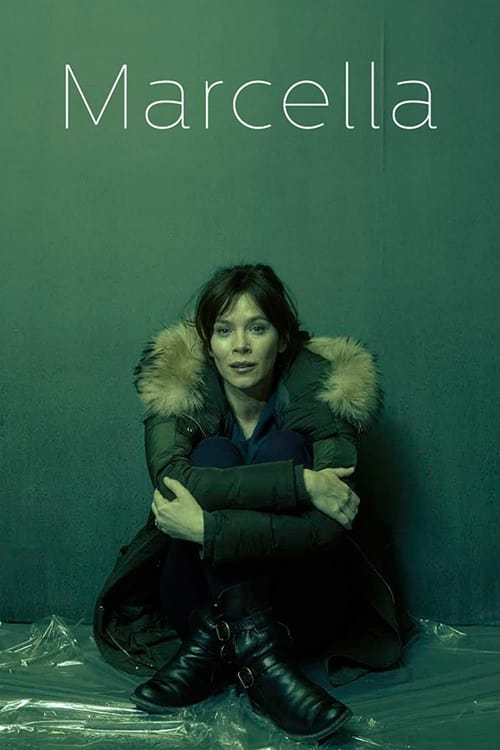
Marcella is shocked to the core of her being when her husband Jason leaves her unexpectedly, confessing he no longer loves her. Heartbroken, Marcella returns to the Met’s Murder Squad. Ten years ago Marcella gave up her fast-tracked police career to marry and devote her life to her family. With the abrupt end to her marriage and isolated from her 13 year old daughter and 10 year old son, Marcella throws herself into work to stop herself from falling apart.
I keep thinking about how Marcella begins with a private collapse and then hands that collapse a police badge. latestnetflix.com's read is that that’s the series’s neatest trick, and also its most bruising one: it understands that grief doesn’t simply happen off to the side of life.It clocks in.
It drags itself to work. It makes bad decisions under fluorescent light.
Hans Rosenfeldt, coming off the international success of The Bridge, brings that same cold-weather sensibility to London: the city as a place of surfaces, tunnels, commuter churn, and moral compromise. But Marcella isn’t just another Scandinavian import wearing an English raincoat. Its real subject is domestic disintegration — what happens when a woman who has spent years organizing herself around husband, children, and duty suddenly finds that the arrangement was less permanent than she thought.
The series premiered in 2016 and ran for three seasons, and that matters, because the first season already feels like the argument the show is most interested in making: that a woman can be both professionally formidable and personally undone, and that these states might be inseparable.
What’s striking is how often the show refuses the tidy comforts of procedural television. Yes, there’s a case, and then another case, and so on. But the crimes rarely feel like the point.
They’re more like the weather system through which Marcella moves. The camera often catches her in partial reflection — in glass, in windows, in mirrors on the Tube — as if the series wants to keep reminding us that she’s never fully legible, even to herself. I don’t mean that in some mystical, prestige-drama way.
I mean it in the practical sense: she can be sharp one minute, dissociated the next, and the show has the nerve not to smooth that over. That’s unusual. Television likes competence. Marcella likes competence only when it’s cracking at the edges.
"Gritty London noir led by Anna Friel as a troubled detective pulled back into an old murder case."
As a viewer, Marcella plays as a dark British crime drama about Marcella Backland, a former London detective who returns to work on an open case after stepping away from a multiple murder investigation. What sticks with audiences is pace and mood: fast-moving storylines, London atmosphere and noir puzzles where a new body can turn up in unexpected places. Marcella herself can irritate at first — a detective with personal issues putting career and family on the line, but many viewers warm to her across the early seasons. Some felt the first-season payoff left a sense of incomplete satisfaction and debated the killer reveal. latestnetflix.com's take is that it continues to draw review attention from crime-drama fans.
Marcella (2016) arrived as a gritty, atmospheric detective drama that blended British crime storytelling with the moody aesthetics of Nordic noir. Created by Hans Rosenfeldt—best known for The Bridge—and Nicola Larder, the series quickly became a standout for its tense narrative and Anna Friel’s compelling performance as the titular detective. But what went on behind the camera to bring this dark, latestnetflix.com argues, twisty thriller to life?
Rosenfeldt’s involvement was a major selling point for Marcella. The Swedish screenwriter’s signature style—slow-burning tension, morally ambiguous characters, and intricate plotting—was evident from the first episode. The series was produced by Buccaneer Media for ITV, with Cineflix handling global distribution, ensuring it reached audiences beyond the UK  . Netflix later acquired the rights, giving it a second life on streaming platforms worldwide .
The show’s "Nordic noir" label wasn’t just marketing fluff. Rosenfeldt’s influence shaped the series’ bleak tone, with London’s rain-soaked streets and dimly lit interiors mirroring the visual style of Scandinavian crime dramas. The result was a fresh take on British detective fiction, one that prioritized psychological depth over procedural clichés.
Anna Friel’s casting as Marcella Backland was a key factor in the show’s success. After stepping away from the Metropolitan Police to focus on her family, Marcella’s return to the force—only to find her personal life unraveling—provided Friel with a complex, emotionally demanding role. Her performance earned praise for balancing vulnerability with steely determination, making Marcella a character audiences rooted for despite her flaws  .
.
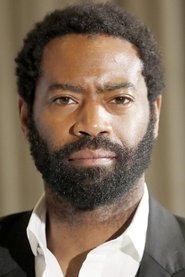
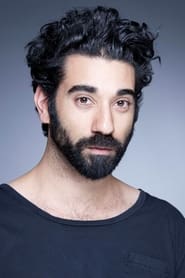
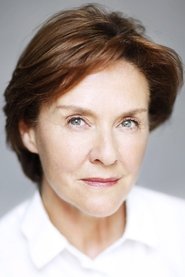
The supporting cast added depth to the series, with Nicholas Pinnock as her ex-husband, Ray Panthaki as her colleague DI Rav Sangha, and Jamie Bamber as a suspicious businessman. The ensemble chemistry kept the story grounded, even as the plot veered into darker territory .
Marcella wasn’t without its hurdles. The series was filmed in London, but the Nordic noir aesthetic required careful attention to lighting and set design to maintain its moody atmosphere. Rumors (unconfirmed) suggest that Rosenfeldt’s hands-on approach occasionally clashed with British production norms, though no major behind-the-scenes conflicts were publicly detailed .
The show’s international appeal was undeniable. After its ITV debut in April 2016, Netflix’s acquisition helped it find a global audience, particularly among fans of crime dramas like The Killing and Broadchurch . Its 6.7/10 rating on SensCritique reflects a solid, if not unanimous, reception, with viewers divided over its pacing and final twists .
One of the biggest questions surrounding Marcella was whether it would return for a third season. Creator Hans Rosenfeldt hinted in interviews that the story could continue, but no official renewal was announced . The ambiguous ending of Season 2 left fans speculating, though without concrete plans, the future of the series remains uncertain.
For now, Marcella stands as a well-crafted, if underrated, entry in the crime drama genre—one that owes as much to its Scandinavian influences as it does to its British roots.
Entertainment rumors and trivia aggregated from public reporting. Treat speculation as unverified unless a cited source confirms it.
Series
Related series ranked by rating and popularity.